

Advanced Techniques and Standards in LED Display Manufacturing for Optimal Performance
The LED display industry has seen rapid advancement over the past decade, driven by innovations in materials, manufacturing processes, and display technologies. As a professional LED display engineer with extensive experience in LED LCD screen manufacturing, I will provide an in-depth analysis of the critical technical parameters, industry standards, and practical considerations essential for producing high-performance, reliable LED displays suitable for global markets.
Fundamental Technical Parameters in LED Display Manufacturing
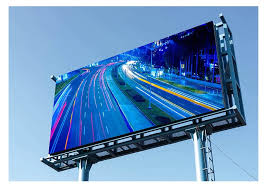
When designing and manufacturing LED displays, several technical parameters critically influence performance, image quality, and longevity:
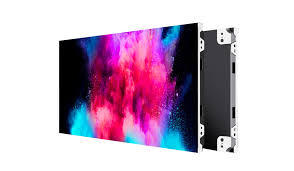
1. Pixel Pitch:
Pixel pitch, expressed in millimeters, defines the distance from the center of one LED cluster (or pixel) to the next. It directly impacts resolution and viewing distance. For indoor LED screens, pixel pitch ranges typically between 0.9 mm to 4 mm to ensure clear imagery at close viewing distances. Outdoor displays commonly have larger pixel pitches from 4 mm to 20 mm to accommodate longer viewing distances and reduce cost. Notably, ultra-fine pixel pitch displays (<1 mm) demand precision manufacturing techniques to maintain uniform brightness and color accuracy.
2. Brightness and Contrast Ratio:
Brightness, measured in nits (cd/m²), impacts visibility under various ambient lighting conditions. Indoor LED screens require brightness levels around 800-1500 nits, whereas outdoor screens demand 5000 nits or more to combat sunlight interference effectively. The contrast ratio, the ratio between the brightest white and the darkest black the display can produce, profoundly affects image depth. Achieving high contrast (>3000:1) is typically managed through advanced LED driver ICs and fine-tuned calibration.
3. Color Accuracy and Gamut:
Color reproduction in LED displays depends on the quality of the LEDs used (commonly SMD or COB types) and the display’s color management system. Industry standards like Rec. 709 and DCI-P3 guide the color gamut range, with high-end displays achieving upwards of 95% of the Adobe RGB color space. For applications such as broadcasting or medical imaging, strict adherence to these color standards ensures authenticity and detail.
4. Refresh Rate and Gray Scale:
For smooth motion rendering and reduced flicker, particularly in broadcast and live event applications, refresh rates of at least 1920 Hz are recommended. Gray scale performance, with 14-bit or higher processing capability, allows the display to render subtle gradients without banding, which is important for video and image fidelity.
Manufacturing Process Insights
The production of LED displays integrates advanced assembly, calibration, and testing technologies to ensure uniform performance across panels:
- Surface Mount Technology (SMT): The foundation of modern LED module manufacturing, SMT allows precise placement of LED chips on PCBs with micron-level accuracy. State-of-the-art pick-and-place machines ensure consistent pixel alignment, reducing defects.
- Calibration and Binning: LEDs are sorted based on luminosity, wavelength (color), and forward voltage characteristics, a process known as binning. Matching LEDs in the same bin improves color uniformity and reduces power consumption disparities, which extends display lifetime.
- Thermal Management: Efficient heat dissipation is vital since excess heat accelerates LED degradation. Innovative solutions such as aluminum PCB substrates, integrated heat sinks, and active cooling systems maintain junction temperatures below 85°C, enhancing reliability.
- Driver IC and Control System: High-performance driver ICs with PWM dimming and constant-current control provide stable brightness and reduce flicker. Coupled with FPGA-based control boards, these systems allow for flexible programming, diagnostics, and remote calibration.
Quality and Industry Standards Compliance
International standards and certifications are paramount for ensuring LED display product credibility and acceptance in diverse regulatory environments:
- IEC 62087: Specifies measurement methods for TV brightness and power consumption, relevant for evaluating display energy efficiency.
- RoHS and REACH Compliance: Restrict hazardous substances usage in manufacturing, meeting environmental regulations within the EU and beyond.
- IP Rating (Ingress Protection): Particularly critical for outdoor displays. An IP65 or higher rating ensures resistance against dust and water jets, guaranteeing endurance in different weather conditions.
- ISO 9001 Quality Management System: Implementation of standardized quality control processes ensures consistent manufacturing output with minimal defects.
Practical Applications and Case Studies
Various industries exploit the flexibility and visual impact of LED displays, each imposing unique demands on design and production:
- Retail and Advertising: Require ultra-high-resolution indoor displays with brightness around 1000-1200 nits, exceptional color uniformity, and energy efficiency, applied in shopping malls and airports.
- Sports Arenas and Events: Demand large-format P6-P10 outdoor screens with high refresh rates (≥3840 Hz) to capture dynamic motion free from blur and flicker.
- Transportation Hubs: Benefit from modular LED panels with IP65 protection, quick installation, and serviceability, operating 24/7 under bright sunlight.
A recent project involving a 500 m² indoor LED wall featured a 0.9 mm pixel pitch, 14-bit gray scale, and 1200-nit brightness calibrated to DCI-P3 standards for a high-end broadcast studio. Post-deployment tests showed uniformity deviation under 5% and flicker rates imperceptible to high-speed cameras, validating the manufacturing and calibration processes.
Future Trends
Emerging trends such as MicroLED technology promise even higher resolution, better energy efficiency, and wider color gamuts, albeit with current high manufacturing costs and yield challenges. Hybrid manufacturing approaches integrating OLED and LED technologies also offer new possibilities.
Moreover, AI-assisted calibration and predictive maintenance systems are becoming standard in high-value installations, enhancing lifespan and reducing operational costs.
Conclusion
Manufacturing superior LED displays requires rigorous attention to technical parameters, precise assembly, adherence to international standards, and application-specific customization. With ongoing innovations, LED display technology continues to meet the escalating demand for higher resolution, better color accuracy, increased brightness, and robust durability globally.
Adhering to best practices in pixel pitch selection, thermal management, calibration, and quality control will ensure production of LED displays that deliver exceptional visual experience and trusted performance in the competitive global market.
Authoritative References:
- IEC 62087: Methods of measurement for the power consumption of audio, video, and related equipment
- U.S. Department of Energy LED Lighting Facts Program Technical Reporting
- “Display Technology: Fundamentals and Applications,” John Wiley & Sons, 2021
- Society for Information Display (SID) Technical Papers and Standards
- Manufacturer White Papers from Cree Inc., Nichia Corporation













