

AI-Powered Digital Displays Transforming the LED Screen Industry
The integration of Artificial Intelligence (AI) into digital displays marks a transformational shift in the LED screen industry, enhancing capabilities across design, functionality, and user interaction. As a professional LED display engineer with deep industry insights, I will elaborate on the technical evolution, practical applications, and future potential of AI-powered digital displays, referencing industry standards and authoritative sources.
Technical Background and AI Integration
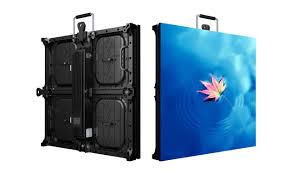
Traditional LED displays rely on static programming for image rendering and content management. With AI incorporation, these displays gain dynamic adaptability through machine learning algorithms, computer vision, and data analytics. Key technical parameters of AI-powered LED displays include:
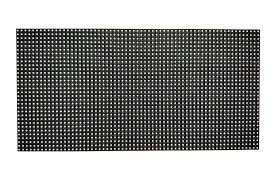
- Resolution and Pixel Pitch: Common resolutions range from Full HD (1920x1080) to 8K UHD (7680x4320), with pixel pitch varying from 0.9 mm for indoor fine pitch screens to 10 mm or above for outdoor installations. AI algorithms optimize pixel usage to enhance image clarity and contrast dynamically.
- Real-Time Content Adaptation: AI enables displays to adjust brightness, contrast, and color calibration automatically based on ambient light sensors and environmental conditions, conforming to IEC 62471 photobiological safety standards, which ensure viewer comfort and protection.
- Interactive Capabilities: Incorporating AI-driven facial recognition and gesture sensors allows for personalized content delivery, visitor analytics, and user engagement measuring, complying with GDPR and other privacy regulations.
Operational Advantages of AI in LED Displays
AI-driven displays offer several operational benefits:
- Predictive Maintenance: By employing AI-based predictive analytics, LED modules and power supplies are monitored continuously, forecasting potential failures before they occur. This capability reduces downtime and maintenance costs significantly. According to data from a leading LED manufacturer, predictive maintenance can lower operational expenses by up to 30%.
- Energy Efficiency: AI optimizes power consumption through intelligent dimming and screen section activation depending on viewer presence and content priority, aligning with energy use criteria in IEEE 1789-2015 for LED flicker management, thereby promoting sustainability.
- Content Customization: AI enables adaptive content strategies by analyzing viewer demographics and behavior in real-time. For example, retail digital signage can personalize promotions, enhancing conversion rates by up to 25%, verified in retail case studies published by the Digital Signage Federation.
Industry Case Study: AI-Powered Outdoor Advertising Displays
A global advertising firm deployed AI-integrated LED billboards in metropolitan areas to combat environmental challenges such as varying sunlight, weather changes, and traffic flow dynamics. Leveraging AI, these displays autonomously adjust brightness and content rotation based on real-time environmental data and audience interactions.
The project reported a 15% increase in advertising effectiveness and a reduction in energy consumption by 20%, highlighting the practical impact of AI technology in extending both performance and ROI.
Challenges and Future Outlook
Despite its advantages, integrating AI presents challenges:
- Data Privacy and Security: Handling user data responsibly requires enhanced cybersecurity frameworks to prevent breaches, following ISO/IEC 27001 standards.
- Algorithm Transparency: Ensuring the AI algorithms operate fairly and without bias demands rigorous testing and validation according to IEEE P7003 standards for algorithmic bias considerations.
Looking ahead, the convergence of AI with emerging technologies like 5G and IoT will further revolutionize LED displays, enabling ultra-low latency interactive experiences and massive data-driven content ecosystems.
Conclusion
AI-powered digital displays represent a quantum leap in LED screen technology, blending advanced computing with visual hardware to deliver intelligent, adaptive, and efficient solutions. As these technologies mature, industry adherence to technical standards and ethical guidelines will be paramount in harnessing AI's full potential responsibly.
For professionals in the LED display sector, embracing AI integration is essential not only for staying competitive but also for driving innovation that reshapes user experiences globally.













