

Advancements and Best Practices in LED Display Manufacturing for Optimal Performance
The LED display industry has experienced significant technological advancements over recent years, driven by the demand for higher resolution, enhanced durability, and energy efficiency in various applications from retail to large-scale advertising. Understanding the intricacies of LED manufacturing is essential for engineers, manufacturers, and end-users who seek reliable and high-performance display solutions.
Introduction
Light Emitting Diode (LED) displays have become the cornerstone of modern visual communication. Their vibrant colors, high brightness, and long lifespan make them ideal for diverse environments indoors and outdoors. However, achieving superior product performance requires not only cutting-edge materials but also precision in design, manufacturing processes, and stringent quality control. This article explores the latest manufacturing techniques, technical parameters, and quality standards that define excellence in LED display production.
Main Body
1. Technical Parameters and Design Considerations
Understanding key technical parameters is fundamental to manufacturing LED displays that meet industry demands:
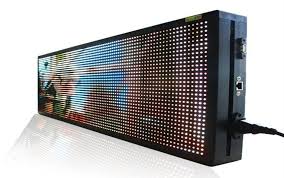
- Pixel Pitch: Measured in millimeters, pixel pitch denotes the distance between the centers of two adjacent pixels. Common pixel pitches range from 0.9mm for indoor fine-pitch displays to 10mm or greater for large outdoor installations. Smaller pitches yield higher resolution but require more precise manufacturing processes and higher component quality.
- Brightness and Contrast Ratio: Optimal brightness varies by application, with typical indoor units offering 800-1500 cd/m², while outdoor displays must exceed 5000 cd/m² to remain visible under direct sunlight. Contrast ratio, critical for color reproduction, generally exceeds 3000:1 in premium products.
- Viewing Angle and Refresh Rate: Wide viewing angles (>160° horizontal and vertical) ensure image clarity from multiple perspectives. High refresh rates (≥1920 Hz) reduce flicker and motion blur, important in broadcast and dynamic content.
2. Manufacturing Processes and Material Selection
- LED Chip Technology: Modern displays utilize surface-mount device (SMD) LEDs or mini-LEDs with precise binning to ensure color uniformity and reliability. Advances in GaN-based LEDs increase efficiency and lifespan, sometimes surpassing 100,000 hours of operation.
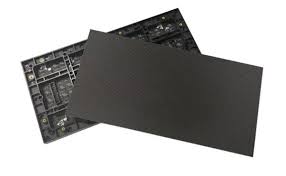
- PCB and Module Assembly: Multilayer PCBs with high thermal conductivity materials like aluminum substrate enhance heat dissipation. Automated pick-and-place systems ensure consistent LED placement critical for uniform brightness and color fidelity.
- Encapsulation and Protection: High-quality silicone or epoxy resins protect LEDs from moisture and mechanical stress. For outdoor displays, IP65 to IP68-rated enclosures shield components against dust and water ingress, extending service life even under harsh environmental conditions.
3. Quality Standards and Testing
Adherence to international standards such as IEC 62368 (Safety) and IEC 62087 (Energy Efficiency) is mandatory. Rigorous testing protocols include:
- Thermal Cycling and Burn-In Tests: Validate stability over temperature fluctuations and initial operational hours.
- Color Calibration and Uniformity Testing: Use spectroradiometers and colorimeters to ensure accurate color reproduction meeting CIE 1931 standards.
- Mechanical Inspection: Includes vibration and shock tests to guarantee resistance to transportation and installation stresses.
4. Sustainability and Energy Efficiency
With global emphasis on environmental responsibility, manufacturers focus on reducing power consumption and utilizing recyclable materials. LED displays inherently consume less energy than traditional LCD or projection systems, with efficiency improvements achieved through advanced driver ICs and smart power management systems.
5. Case Study: Successful Implementation of Advanced Manufacturing Techniques
A leading LED manufacturer integrated automated vision inspection and precision calibration to produce a 1.2mm pixel pitch indoor display panel. The result was a product with enhanced uniformity and reliability, achieving certifications including UL and CE, increasing their market competitiveness globally.
Conclusion
Manufacturing high-quality LED displays necessitates a comprehensive approach—from selecting advanced materials and technologies to adhering to rigorous standards and quality controls. With the global market expanding and applications growing increasingly diverse, continual innovation in manufacturing practices will remain crucial. Industry professionals must stay abreast of these developments to deliver products that meet demanding performance requirements while ensuring durability and energy efficiency.
By employing state-of-the-art manufacturing processes and embracing international certifications, the LED display industry can confidently deliver vibrant, reliable, and sustainable products that satisfy customers worldwide.













