

Advanced Technologies and Manufacturing Processes in LED Display Production
The rapid advancement of LED display technology has revolutionized visual communication across various industries, from advertising and entertainment to transportation and public information systems. As a professional LED display engineer with extensive experience in manufacturing, this article provides an in-depth exploration of the technological principles, manufacturing processes, and quality standards that define modern LED displays.
Introduction
LED displays, utilizing light-emitting diodes as their core light source, have become the preferred choice for dynamic, high-resolution visual content due to their brightness, energy efficiency, and scalability. With the global market growth driven by increasing demand for outdoor digital signage, indoor video walls, and wearable displays, understanding the key technical parameters and manufacturing intricacies is crucial for industry professionals and decision-makers.
Main Body
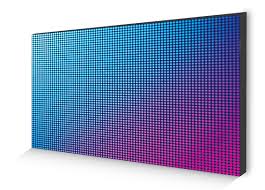
1. Fundamentals of LED Display Technology
LED displays are composed of numerous individual diodes arranged in pixel configurations, which emit light when an electrical current passes through semiconductor material. The most common types include SMD (Surface-Mount Device) and DIP (Dual In-line Package) LEDs, each serving unique applications. SMD LEDs integrate multiple diodes into a single package, offering higher resolution and better color uniformity, making them ideal for indoor displays with pixel pitches as small as 0.9mm. DIP LEDs, on the other hand, are robust and luminous, suitable for large outdoor displays with pixel pitches typically starting from 4mm upwards.
Key technical parameters include:
- Pixel Pitch: Distance between the centers of two adjacent pixels; critical for resolution and viewing distance.
- Brightness: Measured in nits (cd/m²), with outdoor displays often exceeding 5,000 nits for visibility in direct sunlight, while indoor screens range from 800 to 1,200 nits to ensure comfortable viewing.
- Refresh Rate: Usually between 1,000 Hz and 3,840 Hz, higher refresh rates minimize flicker during video capture and improve display quality.
- Color Depth: Achieved through LED driving ICs, standard displays provide 16-bit color depth per channel, ensuring rich, vibrant images.
2. Manufacturing Processes
The production of LED displays involves precise and sequential stages to ensure performance, durability, and visual quality. According to industry standards such as IEC 62889 and JIS C 7010, critical manufacturing steps include:
- LED Bin Sorting and Selection: LEDs from semiconductor fabs are sorted by luminance, chromaticity, and forward voltage. This "binning" ensures uniform color and brightness across the display panel. Optimal binning reduces color inconsistencies and maintains display longevity.
- Module Assembly: LED components are placed on PCBs (printed circuit boards) via SMT (Surface Mount Technology), followed by soldering and inspection. High-precision placement equipment ensures pixel pitch accuracy within ±0.05mm tolerance, which is vital for display uniformity.
- Driver IC Integration: Modern driver ICs support grayscale control and refresh rates optimization. Integration demands precise electrical testing to avoid dead pixels and artifacts.
- Encapsulation and Waterproofing: IEC 60529 IP rating standard guides waterproofing and dust protection measures. Outdoor LED displays require at least IP65 rating, ensuring resistance against harsh weather and particulate ingress.
- Quality Inspection and Calibration: Systems such as photometric calibration use colorimeters and spectroradiometers to adjust brightness and color temperature uniformly. Automated test equipment evaluates display contrast ratios, grayscale consistency, and response times.
3. Case Study: High-Resolution Indoor LED Video Walls
A recent project in a major metropolitan transportation hub involved deploying over 500 square meters of 1.2mm pitch SMD LED panels. The challenge was balancing high pixel density with cost and installation constraints. Using ultra-fine pitch LED modules with an advanced calibration system allowed the display to deliver 4K+ resolution images with minimal power consumption and rapid response times. Post-installation tests confirmed uniform brightness levels around 1,000 nits and a refresh rate of 3,840 Hz, providing flicker-free video essential for live broadcasting.
4. Emerging Trends and Innovations
Industry innovation now focuses on mini-LED and micro-LED technologies, which offer superior brightness and contrast through smaller diode sizes, enabling ultra-high resolution even on portable devices. Additionally, the integration of AI-based calibration and self-diagnostic algorithms is increasing maintenance efficiency and image optimization capabilities.
Conclusion
The LED display manufacturing process is a sophisticated amalgamation of advanced semiconductor technology, precise assembly, and stringent quality control guided by international standards. Technical parameters such as pixel pitch, brightness, and refresh rate critically influence the application suitability of LED screens. Understanding these elements alongside thorough process management enables the delivery of displays that meet stringent customer expectations in performance and durability. As technology advances with the adoption of mini-LED and micro-LED innovations, the industry is poised for transformative improvements in image quality and energy efficiency, maintaining LED displays' position as the cornerstone of modern digital visuals.













