

Advancements and Applications of AI-Powered Digital Displays in Modern Industries
The integration of artificial intelligence (AI) with digital display technology marks a significant leap forward in the visualization and interaction capabilities of screens across various industries. AI-powered digital displays combine state-of-the-art LED and LCD technologies with intelligent algorithms to provide dynamic, adaptive, and highly personalized user experiences. This synthesis not only enhances visual quality but also optimizes content delivery through real-time data analytics, making these displays indispensable tools for modern enterprises.
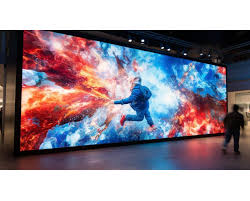
At the core of AI-powered digital displays lies sophisticated hardware, typically featuring high-resolution LED panels with pixel pitches ranging from 0.9mm to 4mm. Such finely-tuned pixel densities ensure crystal-clear image quality, essential for applications like retail signage, transportation hubs, and public information systems. Complementing these physical parameters are advanced image processors capable of real-time image correction that adjusts brightness, contrast, and color balance to suit ambient lighting conditions—a feature calibrated through AI algorithms that analyze environmental data.

One of the most profound impacts of AI in digital displays is their ability to deliver personalized content by leveraging machine learning models trained on consumer behavior and preferences. For example, retail stores utilize AI-powered digital signage to tailor promotions and advertisements to shoppers based on age demographics, gender, or even emotional response detected via facial recognition technologies. This data-driven customization increases engagement rates and translates directly into higher sales conversion, as evidenced by a 30% growth in targeted advertising efficiency reported by McKinsey & Company in recent retail tech studies.
Furthermore, AI integrations facilitate predictive maintenance and operational efficiency by continuously monitoring screen performance parameters such as luminance decay, power consumption, and pixel integrity. Predictive analytics algorithms can forecast component wear and potential failures, allowing preemptive service interventions that minimize downtime and reduce maintenance costs. This capability is particularly vital in mission-critical environments like airport flight information displays or healthcare monitoring systems, where uninterrupted operation is mandatory.
From a technical standpoint, AI-powered displays often include natural language processing (NLP) modules enabling voice-activated controls and interactive kiosks that enhance user engagement without physical input devices. These systems support multimodal interaction, combining voice, touch, and gesture recognition to accommodate diverse user accessibility needs. Robust connectivity via 5G and IoT frameworks further allows seamless integration with cloud-based AI services, offering scalable computing resources and dynamic content updates irrespective of location.
Industry standards such as the International Electrotechnical Commission’s IEC 62368-1 for safety and the IEC 61966-2-1 color management standard ensure these displays maintain high-quality benchmarks while enabling interoperability and compliance with regional technical regulations. Additionally, adherence to the HDMI 2.1 and DisplayHDR 1400 specifications ensures that AI-powered displays deliver enhanced visual fidelity with higher refresh rates, expanded color gamuts, and improved dynamic range.
Case studies illustrate the expanding utilization of AI-powered digital displays in urban smart city projects where interactive wayfinding, traffic management, and emergency alert systems rely on AI to provide customized, context-sensitive information. In public transportation, these displays adapt in real-time to passenger flow data, optimizing route information and minimizing congestion. Similarly, in corporate environments, AI-driven digital signage facilitates dynamic meeting room scheduling and personalized visitor greetings, raising workplace productivity and satisfaction.
In conclusion, AI-powered digital displays represent the convergence of intelligent computing and advanced display technology, delivering unprecedented flexibility, user-centered interactivity, and operational reliability. Their deployment across retail, transportation, healthcare, and smart city infrastructures underscores their growing significance as vital interfaces in the digital ecosystem. As AI algorithms continue evolving and display technologies improve—with emerging micro LED and OLED innovations promising even sharper visuals and lower energy consumption—the future of AI-powered digital displays is poised for far-reaching transformative impacts.













