

Advancements and Best Practices in LED LCD Display Manufacturing for Optimal Performance
The evolution of LED LCD display technology has revolutionized the visual experience across various industries, including consumer electronics, automotive, medical, and industrial applications. As a professional LED display engineer with extensive experience, this article delves into the critical manufacturing processes, technical parameters, and best practices that ensure high reliability, superior image quality, and long-term performance of LED LCD screens.
Understanding LED LCD Displays
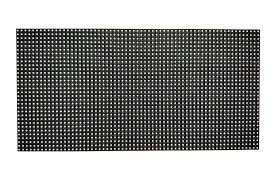
LED LCD (Light Emitting Diode Liquid Crystal Display) is a hybrid technology combining LED backlighting with liquid crystal panels. Unlike traditional CCFL (cold cathode fluorescent lamp) backlights, LED backlighting offers several advantages such as higher brightness, energy efficiency, and design flexibility. The integration of LED with LCD enables displays that are thinner, more power-efficient, and capable of producing wider color gamuts and better contrast ratios.
Key Manufacturing Processes
Manufacturing LED LCD displays entails several precise steps tightly controlled to meet stringent industry standards such as ISO 13485 for medical displays or ISO 9001 for general manufacturing quality assurance. The process usually involves:
1. Panel Fabrication:
The base LCD panel is manufactured using thin-film transistor (TFT) technology based on amorphous silicon (a-Si) or low-temperature polysilicon (LTPS) substrates. LTPS TFT panels, though more expensive, offer faster pixel response times and better power efficiency, making them ideal for high-resolution displays.
2. LED Backlight Assembly:
Proper selection and integration of LED light sources directly influence display brightness and uniformity. Manufacturers use high-quality LED chips with rigorous binning processes to ensure consistent color temperature, typically within 6500K (D65 standard illuminant) for accurate color reproduction. Arrays are mounted on printed circuit boards (PCBs) equipped with efficient thermal management solutions, such as aluminum heat sinks, to maintain optimal operating temperatures and prolong LED lifespan (often rated for 30,000 to 50,000 hours).
3. Optical Films and Diffusers:
To achieve uniform light distribution, multiple optical films including diffusers, brightness enhancement films (BEF), and prism sheets are layered. These films are critical for eliminating hotspots, enhancing brightness, and maximizing contrast ratios. The total brightness uniformity target usually exceeds 85% across the display surface.
4. Polarization and Liquid Crystal Alignment:
The LCD panel includes polarizer films and liquid crystal alignment layers that control light modulation. Quality control at this stage ensures minimal defects such as light leakage or mura effects, which can degrade visual performance. Inspection techniques like automatic optical inspection (AOI) and spectrophotometric analysis ensure compliance with rigorous standards.
5. Module Assembly and Testing:
Final assembly includes integrating the LED backlight with the LCD panel, driver electronics, and housing. Comprehensive electrical testing verifies parameters such as luminance uniformity (typically 300 to 1000 cd/m² depending on application), contrast ratio (ranging from 800:1 to over 3000:1 in advanced displays), and color gamut (measured against standards like sRGB or Adobe RGB). Shock, vibration, and thermal cycling tests ensure durability under real-world conditions.
Technical Parameters That Define Quality
- Brightness: Measured in candelas per square meter (cd/m²), LED LCDs for indoor use generally target 300-500 cd/m², while outdoor displays range from 1000 cd/m² upwards for sunlight readability.
- Contrast Ratio: The ratio between luminance of the brightest white and the darkest black—in LCDs, enhanced with LED local dimming and optical films to improve image depth and clarity.
- Response Time: Time in milliseconds (ms) for pixels to change state; fast response times (~5 ms or lower) reduce motion blur, vital for gaming or video applications.
- Color Accuracy: Assessed via color gamut coverage and Delta E values (ideally less than 2 for professional-grade displays), critical for medical imaging and graphic design.
- Viewing Angles: TN panels offer ~60° viewing angles; IPS or VA panels extend this to 170°+, essential for collaborative environments.
Best Practices in Manufacture to Enhance Display Performance
- Strict Cleanroom Environments: Dust and particulate contamination can severely affect panel yield and quality. Class 1000 (ISO 6) or better environments are standard for critical assembly steps.
- Advanced Thermal Management: LEDs generate heat that can accelerate degradation. Using heat pipes, heat sinks, and thermally conductive adhesives ensures temperature stability and extends product lifetime.
- Calibration and Color Management: Post-assembly calibration using spectrometers and colorimeters assures consistent performance. Techniques like 3D LUT (Look-Up Table) calibration achieve precise tone mapping.
- Lifecycle Testing: Stress tests simulating long-term usage prevent early failures and enhance product reliability. Humidity, temperature cycling, and voltage stress tests are standard.
- Sustainability Considerations: Incorporating recyclable materials, reducing hazardous substances per RoHS directives, and optimizing energy consumption align manufacturing with environmental standards.
Case Study: Implementing Local Dimming LED LCD for Enhanced Contrast
In a recent project, implementing local dimming zones in LED backlighting increased contrast ratios from 1500:1 to over 3000:1 in a 27-inch 4K display. Using fine-pitch LED arrays controlled via dynamic drivers allowed precise backlight control based on content. The local dimming enhanced blacks without impacting peak brightness, improving HDR (High Dynamic Range) performance per HDMI standards (HDMI 2.1 HDR10+ support).
Conclusion
Manufacturing high-quality LED LCD displays requires a meticulous engineering approach combining advanced materials, precise assembly, rigorous quality control, and effective thermal management. Understanding technical parameters and adherence to industry standards guarantees displays that not only meet but exceed user expectations for brightness, color accuracy, longevity, and energy efficiency. Ongoing innovation in LED technology and LCD panel design continues to push the boundaries of what these displays can achieve across diverse applications worldwide.
References:
- Society for Information Display (SID) Journal
- International Electrotechnical Commission (IEC) Standards on Display Technologies
- Samsung Display Technical Papers on LED backlighting
- Rohm Semiconductor LED Technical Datasheets
- "Principles of LCD and LED Technologies," John Wiley & Sons, 2021













