

Taxi Top Displays: Advanced LED Technology Transforming Urban Advertising
In the rapidly evolving digital advertising industry, taxi top displays have emerged as a powerful medium for urban marketing, leveraging cutting-edge LED technology to capture the attention of city dwellers and commuters. As a seasoned LED display engineer with extensive experience in design, manufacture, and deployment, I will provide a comprehensive analysis of taxi top displays, highlighting their technical specifications, operational considerations, and the market trends driving their adoption worldwide.
Understanding Taxi Top Displays
Taxi top displays refer to electronic advertising screens mounted on the roofs of taxis. These dynamic digital signage units replace traditional static billboards, offering the advantage of multiframe content, real-time updates, and location-based targeting. Typically, these systems employ LED (Light Emitting Diode) technology due to its superior brightness, energy efficiency, and durability, making LED ideal for outdoor environments with varying lighting conditions.
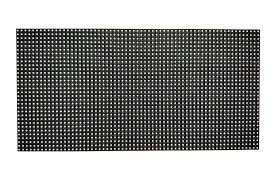
Technical Specifications
Key technical parameters define the functionality and performance of taxi top LED displays:
- Resolution and Pixel Pitch: Taxi top displays usually feature a pixel pitch ranging from 6mm to 10mm to balance image clarity and viewing distance. Higher resolution (smaller pixel pitch) ensures crisp visuals, crucial for legibility from street level. For example, a 10mm pixel pitch module generally fits well in 48” to 55” displays typical on taxi tops.
- Brightness: Outdoor brightness levels for such LED displays must reach at least 5,000 nits (cd/m²) to maintain visibility under direct sunlight, which is vital for effective advertising in bright urban settings. High brightness content also enhances color vibrancy.
- Refresh Rate: Ensuring smooth video playback without flicker is essential. Taxi top displays often have refresh rates exceeding 3,000 Hz, adhering to FCC and international safety standards, guaranteeing visual comfort and fatigue-free viewing.
- Ingress Protection (IP Rating): Given exposure to rain, dust, and temperature fluctuations, taxi top displays require a minimum IP65 rating for weatherproofing. This protects the internal electronics from moisture and airborne particulates, prolonging service life.
- Power Consumption: Energy efficiency is a crucial operational metric. Modern LED modules for taxi displays consume approximately 200-300 W per square meter under typical brightness settings, optimized through advanced driver ICs and power management technologies to maintain energy sustainability.
Integration and Control Systems
Taxi top LED displays utilize embedded control units, integrating GPS, 4G/5G communication modules, and lighting sensors:
- Location-Based Advertising: Through GPS modules, the display content can be dynamically altered based on geolocation, tailoring ads to specific neighborhoods or event zones. For example, promoting local restaurants when the taxi is near dining districts.
- Remote Content Management: Using 4G/5G connectivity, ad campaigns can be updated remotely in real time, enabling rapid response to marketing strategies or emergency announcements.
- Ambient Light Sensors: To prevent excessive brightness at night and conserve energy, ambient light sensors adjust screen luminance automatically, ensuring compliance with local regulations about nighttime brightness limits.
Manufacturing and Quality Assurance
Production of taxi top LED displays follows stringent industry standards to ensure durability and performance:
- Modules are manufactured with high-quality SMD (Surface Mounted Device) LEDs from vendors like Cree or Nichia, known for reliability and uniform light output.
- The chassis is engineered using lightweight yet robust materials such as aluminum alloy with powder coating, providing corrosion resistance and easy installation on various taxi models.
- Comprehensive testing includes thermal cycling, vibration tests meeting automotive standards (e.g., ISO 16750), and EMI/EMC certifications to prevent interference with taxi electronics.
Market Trends and Case Studies
The global taxi top display market has seen notable growth, driven by urbanization and the demand for targeted digital advertising. In cities like London, New York, and Singapore, fleet operators have deployed LED taxi top displays integrated with smart city infrastructure, collecting data to optimize ad delivery and measure engagement.
A notable case study is the deployment of P10 pixel pitch LED taxi tops in Singapore's city taxis, managed via a centralized platform allowing advertisers to launch hyperlocal campaigns within minutes. This implementation improved ad recall rates by 30% compared to static counterparts and increased revenue streams for taxi companies.
Challenges and Future Developments
Despite advancements, challenges remain:
- Power Source Management: Taxis have limited electrical capacity; hence, efficient power management systems are necessary to avoid drainage impacting vehicle operation.
- Regulatory Compliance: Different countries impose diverse rules on display brightness, content restrictions, and installation safety, posing hurdles for global standardization.
The future of taxi top displays involves integration with IoT (Internet of Things), enabling interactive advertisements, augmented reality features, and deeper analytics on viewer interaction. Advances in micro-LED and flexible displays promise thinner, lighter units with enhanced resolution and even lower power consumption.
Conclusion
Taxi top displays represent a convergence of advanced LED technology, mobile connectivity, and strategic advertising, creating an agile platform for brand engagement in urban landscapes. For manufacturers and operators, attention to technical parameters—brightness, pixel pitch, durability—and adherence to industry standards is paramount to deploying effective, reliable taxi top LED signage. The integration of smart systems and ongoing innovations positions this medium as a leading channel in the digital out-of-home (DOOH) ecosystem, driving both economic value and urban communication.
References:
- International Electrotechnical Commission (IEC) Standards for Outdoor LED Displays
- National Electrical Manufacturers Association (NEMA) Guidelines on LED Display Power Management
- Case Study: “Digital Taxi Top Displays in Singapore,” Urban Mobility Journal, 2023
- FCC Light Flicker and Refresh Rate Regulations













