

Advanced Techniques and Quality Standards in LED LCD Screen Manufacturing
In the rapidly evolving field of LED LCD screen manufacturing, delivering high-quality, reliable, and visually superior displays is essential for meeting the demands of diverse applications—from consumer electronics to large-scale public information systems. This article aims to provide a comprehensive overview, grounded in industry best practices and technical standards, on the critical parameters, manufacturing processes, and quality controls that define excellence in LED LCD screens.
Understanding LED LCD Technology
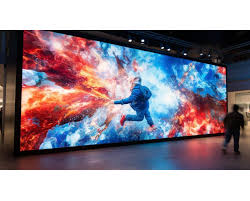
LED LCD displays utilize light-emitting diodes (LEDs) as a backlight source combined with liquid crystal display (LCD) panels. The integration of LED backlighting offers superior brightness, wider color gamut, and better power efficiency compared to traditional cold cathode fluorescent lamps (CCFLs). Technical standards such as IEC 62368-1 (Safety requirements for audio/video and information technology equipment) govern electrical safety, while ISO 9241-307 standard relates to image quality assessment for electronic visual displays.
Key Technical Parameters
1. Resolution and Pixel Pitch:
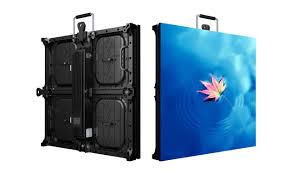
High resolution is fundamental for clarity. For instance, a 4K UHD LED LCD typically has 3840x2160 pixels. Pixel pitch, the distance from the center of one pixel to the next, critically affects image sharpness and viewing distance. Smaller pitch (<0.9 mm) is used in fine-pitch LED LCD displays for close viewing applications.
2. Brightness and Contrast Ratio:
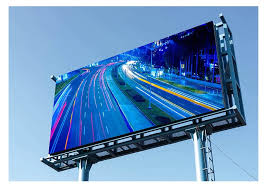
Brightness, measured in nits (cd/m²), usually ranges from 300 to over 1500 nits depending on the application. Outdoor displays require higher brightness to maintain visibility. A high contrast ratio (>3000:1) ensures deeper blacks and vivid colors, essential for immersive visual experiences.
3. Color Gamut and Accuracy:
Standards like BT.709 for HD content or DCI-P3 for digital cinema guide color reproduction. LED LCDs can achieve 95%+ of the sRGB color space, aided by advanced quantum-dot technology to enhance color purity.
4. Response Time and Refresh Rate:
Low response time (<10 ms) prevents motion blur, crucial for video and gaming applications. Refresh rates of 60 Hz are standard, but some specialized screens support up to 120 Hz or 240 Hz for smoother motion rendering.
5. Durability and Lifespan:
Utilizing LEDs with a lifespan exceeding 50,000 hours and robust materials ensures long-term performance. Compliance with environmental standards like RoHS reduces hazardous substances in manufacturing.
Manufacturing Process Highlights
- Substrate Preparation: High-quality glass substrates are cleaned and conditioned to ensure uniform coating and layer deposition.
- Thin-Film Transistor (TFT) Layer Fabrication: TFT arrays control each pixel’s behavior. Precision photolithography is utilized to create uniform transistors with minimal defects, typically achieving a yield rate above 95%.
- Cell Assembly and Liquid Crystal Injection: Controlled humidity and temperature environments prevent contamination during cell sealing and liquid crystal injection. Uniform cell gap thickness (~5 microns) is critical for consistent optical performance.
- LED Backlight Module Integration: LEDs must be uniformly arranged to avoid luminance variation. Pulse-width modulation (PWM) dimming technology allows for precise brightness control and energy efficiency.
- Quality Control Measures: Advanced inspection using Automated Optical Inspection (AOI) systems checks for pixel defects, uniformity issues, and color accuracy. Environmental tests (thermal cycling, humidity endurance) validate reliability in different operating conditions.
Case Study: Enhancing Outdoor LED LCD Displays
A leading manufacturer implemented a new phosphor-converted LED backlight system coupled with anti-reflective coatings, resulting in a 30% increase in outdoor visibility under direct sunlight. Additionally, ruggedized housing compliant with IP65 standards ensured dust and water resistance, key for urban and industrial environments.
Industry Standards and Compliance
Adherence to IEC 62087 provides methods for measuring energy consumption in TVs and displays, guiding more sustainable designs. The JESD22 series outlines environmental testing procedures (temperature, shock, vibration) to ensure robust product performance across markets.
Conclusion
The meticulous integration of advanced materials, precision manufacturing, and rigorous quality assurance is paramount in producing LED LCD screens that meet global market expectations. Manufacturers committed to continuous R&D, compliance with international standards, and adopting innovative technologies such as quantum dots and local dimming will retain a competitive edge while delivering superior user experiences.
By understanding and applying these engineering and manufacturing principles, professionals in the LED display industry can optimize product performance, durability, and visual quality to fulfill the diverse needs of contemporary digital display applications.













