

Advanced Techniques and Industry Standards in LED Display Manufacturing
In the rapidly evolving field of LED display technology, a comprehensive understanding of manufacturing processes, technical parameters, and industry standards is vital for delivering high-quality, durable, and visually impressive LED screens. As a professional LED display engineer with extensive experience, this article explores key aspects of LED display manufacturing, highlighting best practices, technological insights, and crucial considerations for manufacturers and end-users alike.
LED displays have transformed the landscape of digital signage, advertising, and information dissemination globally. Their efficiency, brightness, and ability to deliver vibrant, dynamic content in various environments, from indoor conference rooms to outdoor stadiums, are unparalleled. However, achieving optimal performance hinges on meticulous engineering and adherence to rigorous standards.
Key Technical Parameters in LED Display Manufacturing
1. Pixel Pitch
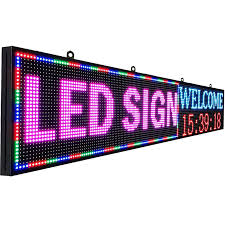
Pixel pitch—the distance in millimeters between the centers of two adjacent pixels—is a fundamental parameter influencing resolution and viewing distance. A smaller pixel pitch (e.g., P1.2mm to P1.9mm) is ideal for indoor applications requiring close-range viewing, offering superior image clarity and detail. Larger pixel pitches (e.g., P6mm to P20mm) are typically utilized for outdoor or large-scale displays where the viewing distance is greater, and ambient light levels are higher.
2. Brightness and Contrast Ratio
For outdoor LED displays, maintaining brightness levels of 5,000 to 8,000 nits ensures visibility even under direct sunlight. Indoor screens generally operate at 800 to 1,200 nits to avoid eye strain while providing vivid images. Contrast ratio, the luminance difference between the brightest white and the darkest black, is equally crucial. Achieving high contrast, typically over 3,000:1, enhances image depth and realism.
3. Refresh Rate and Gray Scale
High refresh rates (above 3,000 Hz) are essential for smooth video playback and minimal flickering, especially in broadcasting and live event applications. A gray scale level of 14-bit or higher supports nuanced color gradations, resulting in more accurate and vivid color reproduction.
4. Viewing Angle and Color Uniformity
Wide viewing angles—horizontal and vertical angles exceeding 140°—are standard to ensure consistent image quality from varied perspectives. Uniform color temperature and brightness across the panel are achieved through precision calibration and advanced materials, crucial in large video walls to prevent visual inconsistencies.
Manufacturing Processes and Quality Control
LED display manufacturing involves intricate steps, including LED chip selection, PCB design, module assembly, soldering, and integration with driving electronics.
- LED Chip Selection and Testing: High-quality SMD (Surface-Mounted Device) LEDs from reputable suppliers like Nichia, Cree, or Epistar are preferred for longevity and color consistency. Stringent optical and electrical testing—consistent with IPC standards—ensures chips meet brightness and color specifications.
- Module Assembly: Automated pick-and-place machines guarantee precise LED placement. Modules undergo burn-in testing for 48 to 72 hours to detect early failures. Industry best practices dictate adherence to IPC-A-610 Class 2 or 3 standards, ensuring reliability under diverse operational conditions.
- Calibration and Bin Sorting: LED binning categorizes LEDs with consistent luminance and chromaticity parameters. Post-assembly calibration employs photometric testing tools (e.g., spectroradiometers) to adjust RGB drive currents for uniform brightness and color matching across all modules.
- Encapsulation and Protection: In outdoor displays, IP65 or higher ingress protection ratings safeguard against dust and moisture. Advanced epoxy or silicone potting ensures thermal management and extends component life.
Industry Standards and Certifications
Compliance with international standards such as:
- IEC 62031: Specifies safety requirements for LED modules, ensuring electrical and thermal safety during operation.
- RoHS (Restriction of Hazardous Substances Directive) Compliance: Ensures environmental safety by limiting hazardous materials.
- ISO 9001 Quality Management: Certification guarantees systematic manufacturing processes and continuous improvement.
- UL Certification: Validates product safety in North America, an essential credential when deploying displays in commercial venues.
Adherence to these standards demonstrates manufacturer commitment to quality, safety, and environmental responsibility, thereby enhancing brand credibility and customer trust.
Real-World Applications and Case Studies
A notable case is the deployment of a large-scale LED video wall in a major European sports arena. The project utilized SMD 3in1 LEDs with a pixel pitch of 4mm, delivering superior image sharpness visible to audiences at distances greater than 30 meters. Through careful calibration and weatherproof encapsulation (IP67), the display provided vibrant and reliable performance over multiple seasons with minimal maintenance.
Another example includes indoor LED installations in corporate environments requiring ultra-high resolution (pixel pitch P1.2mm) for close-range presentations. These systems achieve daylight visibility with 1,200 nits brightness and 16-bit gray scale depth, fostering immersive digital experiences during board meetings and seminars.
Future Trends and Challenges
The LED display industry continues to innovate in areas such as microLED technology, offering even smaller pixel pitches and higher efficiency. Integrating AI algorithms for adaptive brightness and color calibration further enhances user experience. However, challenges remain in managing heat dissipation, ensuring long-term operational stability, and optimizing manufacturing costs without compromising quality.
Advancements in materials science—such as flexible substrates and transparent LED displays—are expanding application possibilities, from curved screens to automotive heads-up displays. Manufacturers must stay abreast of these developments while maintaining rigorous quality controls.
Conclusion
Manufacturing high-performance LED displays demands a blend of precise engineering, adherence to international standards, and continuous quality assurance. By focusing on critical technical parameters, applying industry best practices, and embracing innovation, manufacturers can produce LED display solutions that meet the rigorous demands of global markets.
For professionals and clients seeking reliable, visually stunning LED displays, understanding these manufacturing insights is key to informed decision-making and achieving long-term satisfaction.
References:
- International Electrotechnical Commission (IEC) 62031 Standard
- IPC-A-610 Acceptability of Electronic Assemblies
- ISO 9001 Quality Management Systems
- Nichia and Cree LED Manufacturer Technical Specifications
- LED Professional Review (2023) – Advances in MicroLED Technology













