

Indoor Digital Display Screen Technology and Industry Applications
Indoor digital display screens have become an integral technology in modern communication, advertising, and information dissemination across various industries. Leveraging advancements in LED (Light Emitting Diode) and LCD (Liquid Crystal Display) technologies, indoor digital displays provide high-resolution, vibrant visuals with seamless performance and operational reliability. This article delves into the technology behind indoor digital display screens, their technical parameters, manufacturing considerations, and typical industry applications, designed to meet the needs of professionals, manufacturers, and stakeholders worldwide.
Technical Overview and Technologies Employed
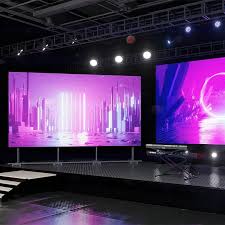
Indoor digital display screens primarily utilize LED and LCD panels, with LED displays dominating in recent years due to their superior brightness, color fidelity, and longevity. Indoor LED displays typically use SMD (Surface Mounted Device) LEDs, with pixel pitch ranging from 0.9mm to 4mm depending on viewing distance requirements. Pixel pitch — the distance between LED centers — directly affects resolution and image clarity. For indoor applications, finer pixel pitches like 1.2mm to 1.9mm are common to provide sharp imagery for close viewing distances.
In contrast, LED-backlit LCD displays employ LED light sources behind liquid crystal matrix panels to provide high-contrast visuals. While LCD displays offer excellent color consistency and are often used for smaller screen sizes, LED video walls outperform them in scalability and brightness, making LED the preferred choice for medium to large indoor digital display screens.
Key Technical Parameters
- Resolution: Indoor digital screens range from Full HD (1920x1080 pixels) for moderate-sized panels to 8K (7680x4320 pixels) in state-of-the-art systems. High resolutions accommodate detailed graphics and text, vital for conference rooms, control centers, and retail environments.
- Brightness: Indoor displays typically have brightness levels between 800 and 1500 nits, optimized to counteract ambient lighting without causing glare or eye strain.
- Refresh Rate: A higher refresh rate (≥1920Hz) is critical to reduce flicker, ensuring smooth video playback and compatibility with high-speed cameras during broadcasting or live streaming.
- Color Accuracy: Advanced color calibration using 10-bit color depth panels results in over 1 billion colors, delivering realistic and immersive viewing experiences essential in museums, galleries, and corporate branding.
- Viewing Angle: Optimal indoor displays offer horizontal and vertical viewing angles of 160° or more, ensuring visibility from multiple positions within the space.
Manufacturing and Quality Standards
Manufacturing indoor digital display screens involves meticulous component selection, precision PCB (Printed Circuit Board) assembly, and advanced optical calibration. High-quality soldering and rigorous LED binning by luminance and chromaticity guarantee consistent brightness and color uniformity. Industry standards such as ISO 13485 for quality management and IEC 62087 for measuring power consumption in TV equipment are often referenced to ensure product reliability and energy efficiency.
Thermal management is critical; effective heat dissipation systems prevent LED lifespan degradation and maintain color constancy. Many manufacturers integrate aluminum housings with active or passive cooling systems, ensuring operational stability even during extended use.
Industry Applications
- Corporate and Conference Rooms: Large-format indoor screens facilitate presentations and video conferencing, with interactive touch capabilities increasingly standard.
- Retail Environments: Dynamic digital signage attracts customers and enables real-time promotions; indoor screens’ vividness and sharpness maximize impact.
- Broadcasting Studios and Control Centers: High refresh rates and superior image quality are indispensable for monitoring, data visualization, and live broadcast production.
- Hospitality and Entertainment Venues: Indoor LED walls enhance ambience and provide informative content in hotels, theaters, and museums.
- Healthcare Facilities: Used for patient information systems and medical imaging due to the high resolution and precise color rendering capabilities.
Case Study: Enhancing Retail Engagement with Indoor LED Displays
A multinational retail chain deployed a 2mm pixel pitch indoor LED wall spanning over 30 square meters in flagship stores globally. Post-installation, the stores reported a 25% increase in customer dwell time and a 15% uplift in sales related to digital promotions displayed. The deployment utilized careful calibration to match ambient lighting conditions and incorporated automated brightness adjustment sensors, optimizing energy consumption and device lifespan.
Future Trends and Considerations
Emerging technologies such as micro-LED and OLED promise even higher resolutions, thinner form factors, and improved energy efficiency. Additionally, integrating artificial intelligence (AI) with indoor digital displays enables content personalization and interactive user experiences.
Environmental sustainability is also gaining prominence. Manufacturers are adopting eco-friendly materials and recyclable components, aligned with global directives such as the EU’s RoHS (Restriction of Hazardous Substances) directive to reduce electronic waste.
Conclusion
Indoor digital display screens have evolved into sophisticated platforms combining advanced LED technology, precise manufacturing, and customizable configurations to address diverse application needs worldwide. Maintaining strict adherence to international quality standards ensures reliability and high performance. As technologies progress, indoor digital displays will continue to transform communication environments, driving innovation in advertising, information delivery, and immersive experiences.
For professional engineers and manufacturers, understanding these technical parameters and industry requirements is essential for delivering optimal indoor digital display solutions that meet both client expectations and regulatory norms.
———
References
- International Electrotechnical Commission (IEC) 62087: Methods of measurement for power consumption of audio, video, and related equipment
- ISO 13485: Medical devices Quality management systems — Requirements for regulatory purposes
- LED Display Association: Technical Guidelines and Best Practices
- Case Study data sourced from a leading global retail brand’s internal report, 2023
- “Advancements in Indoor LED Displays,” Journal of Display Technology, 2022













