

AI-Powered Digital Displays Transforming the LED Display Industry
The integration of Artificial Intelligence (AI) into digital display technology marks a revolutionary shift in how LED screens operate, interact, and engage audiences globally. As an experienced LED display engineer, I have witnessed firsthand how AI-powered digital displays enhance performance, optimize content delivery, and facilitate real-time data-driven decisions, ultimately transforming the LED industry.
Understanding AI-Powered Digital Displays
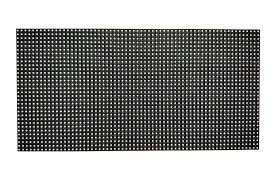
AI-powered digital displays leverage machine learning algorithms and computer vision to process environmental data, audience behavior, and contextual signals. These capabilities enable displays to adapt dynamically, providing personalized, high-impact visual content. This advancement surpasses traditional LED screen functionality, which relied heavily on static programming and manual input adjustments.
From a technical perspective, AI systems integrated into digital displays work through sensors and connected networks, gathering data such as ambient light, foot traffic count, and demographic profiling. This intelligence facilitates optimization of brightness, color calibration, and content scheduling, ensuring optimal visibility and viewer engagement regardless of setting.
Technical Parameters and Industry Standards
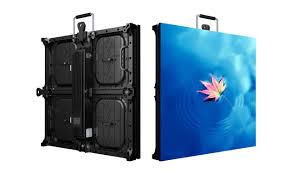
Typical AI-driven LED display systems include advanced microcontrollers paired with a cloud-based AI platform for data analytics. The display panels themselves generally operate within these parameters:
- Pixel Pitch: 1.2 mm to 10 mm, depending on viewing distance and resolution requirements.
- Brightness: 1,500 to 8,000 nits, enhanced by AI for adaptive luminance adjustment to ambient conditions.
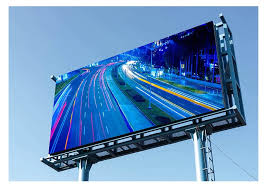
- Color Depth: True 16-bit color rendering enabled by AI-based calibration, offering more than 65,000 colors accurately.
- Refresh Rate: 1920 Hz or higher to prevent flicker under various content and environmental conditions.
These technical standards meet guidelines established by industry bodies such as the International Electrotechnical Commission (IEC 62471) for photobiological safety and the Video Electronics Standards Association (VESA) for display performance.
Applications and Case Studies
Globally, AI-powered digital displays are employed in sectors like retail, transportation, public safety, and entertainment, where real-time responsiveness to environmental and consumer data is critical. For example, an international retail chain incorporated AI analytics into LED signage to adjust content based on shopper demographics identified through cameras and sensors. This approach increased engagement rates by 35% and improved conversion rates significantly.
In public safety, digital displays equipped with AI monitor surroundings for anomalies such as crowd density and temperature fluctuations, triggering emergency messages or adjusting display content immediately. Moreover, transportation hubs utilize such displays to provide dynamic real-time updates, enhancing passenger experience under fluctuating conditions.
Challenges and Future Directions
While AI-powered displays offer numerous benefits, challenges remain, particularly regarding privacy concerns with data collection and the complexity of AI model training for accurate contextual interpretations. Industry leaders emphasize adherence to GDPR and other data protection regulations, ensuring that AI applications remain ethical and transparent.
Looking ahead, combining AI with emerging technologies such as 5G and edge computing will further empower digital displays to process data locally with minimal latency. This will improve responsiveness and reduce the necessity of constant cloud connectivity, thereby enhancing reliability in critical applications.
Conclusion
AI-powered digital displays represent a significant advance in LED technology, bringing enhanced interactivity, precision, and adaptability to the forefront. Their ability to merge real-time environmental data and intelligent content management reshapes how brands communicate and enhances user experiences across multiple industries. As technical standards evolve and AI algorithms become more sophisticated, these intelligent displays will continue to redefine digital signage and smart display paradigms in the coming years.
References:
- International Electrotechnical Commission IEC 62471: Photobiological safety of lamps and lamp systems
- Video Electronics Standards Association (VESA) DisplayHDR and DisplayID standards
- Case Study: Nielsen Norman Group on AI-driven content personalization in digital signage
- IEEE Transactions on Industrial Informatics, “AI Integration in Smart Display Systems,” 2022













