

Advanced Manufacturing Techniques in LED Display Production for Enhanced Performance and Reliability
The LED display industry has witnessed significant advancements over the past decade, driven by innovations in manufacturing techniques, materials science, and quality control processes. As a professional LED display engineer with extensive experience, this article delves into the critical aspects of LED display production, emphasizing methods that enhance performance, reliability, and longevity, thereby meeting the demanding requirements of diverse global applications.
Key Manufacturing Processes in LED Display Production
An LED display typically comprises an array of light-emitting diodes arranged to form pixels that collectively produce images. The fundamental manufacturing stages include:
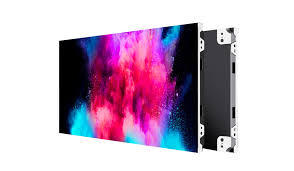
1. Substrate Preparation: High-quality substrates, often made of FR4 for indoor applications or specialized aluminum or composite boards for outdoor use, are prepared with precise copper cladding to ensure efficient signal transmission.
2. SMD LED Mounting: Surface Mount Device (SMD) LEDs are mounted using automated pick-and-place machines. The accuracy of placement, often within ±0.05 mm tolerance, is crucial to maintain uniform pixel spacing and optimal viewing angles.
3. Reflow Soldering: After placement, the LED components undergo reflow soldering. Industry-standard temperature profiles, such as a peak temperature of 230°C for no more than 40 seconds, ensure proper solder joint formation without damaging delicate LEDs.
4. Encapsulation and Protection: To enhance durability and weather resistance, LEDs and circuitry receive conformal coatings or silicone encapsulation. This step is vital for outdoor displays exposed to varying climatic conditions, guarding against moisture ingress and mechanical impact.
5. PCB Testing and Quality Control: Post-assembly, each PCB undergoes rigorous electrical testing, including continuity checks, LED brightness consistency measurement, and binning according to luminance and color temperature standards defined by the CIE (Commission Internationale de l'Eclairage).
Material and Component Selection for Optimal Performance
The choice of LEDs and associated materials dramatically influences display quality parameters such as brightness, contrast ratio, color accuracy, and energy efficiency:
- LED Chip Quality: High-brightness LEDs with luminous intensities exceeding 10,000 mcd and color coordinates adhering to Rec. 709 or Rec. 2020 standards ensure vibrant and accurate color reproduction.
- Driving ICs and Refresh Rates: Advanced driving ICs supporting refresh rates above 3,000 Hz prevent flickering and motion blur, crucial for applications like broadcasting and live events.
- Heat Dissipation Mechanisms: Efficient thermal management using heat sinks, thermal interface materials with thermal conductivity values above 1.5 W/mK, and ventilation designs reduce junction temperature, thereby extending LED lifespan.
Manufacturing Standards and Quality Certifications
Manufacturers adhere to strict international standards such as:
- ISO 9001 Quality Management: Ensures consistent production quality and continuous improvement.
- IEC 62368-1 Safety Standards: Addresses electrical and fire safety requirements pertinent to electronic displays.
- RoHS and REACH Compliance: Confirms that hazardous substances are controlled within regulatory limits, promoting environmental sustainability.
Case studies from major LED manufacturers demonstrate that integrating inline optical inspection systems and automated functional testing reduces defect rates below 0.1%, a benchmark for high reliability in the industry.
Emerging Trends Impacting LED Display Manufacturing
Recent trends shaping manufacturing practices include:
- Mini-LED and Micro-LED Integration: These techniques allow for higher pixel densities and better contrast ratios by employing smaller LED chips. Manufacturing processes adapt to handle these diminutive components with greater precision and increased automation.
- Flexible and Transparent LED Displays: Novel substrate materials such as polyimide films enable bendable displays, expanding design possibilities. Manufacturing these displays requires innovations in flexible PCB production and novel encapsulation techniques.
- Smart Display Systems: Embedded sensors and IoT integration necessitate manufacturing that accommodates additional circuitry, such as ambient light sensors and wireless communication modules, demanding multidisciplinary expertise.
Conclusion
The manufacturing of LED displays is an intricate process demanding a confluence of precision engineering, advanced materials, and rigorous quality control. Adhering to international standards and embracing technological innovations ensures the production of superior LED displays that meet the evolving needs of various industries, from advertising and sports arenas to medical and control rooms. Engineers must continuously update their knowledge and techniques to maintain product excellence and competitiveness in the global market.
For deeper technical insights, refer to standards such as IEC 61347-2-13 (LED drivers), and research findings published in journals like IEEE Transactions on Electron Devices. Balancing cost-efficiency with performance remains the cornerstone of successful LED display manufacturing.













