

Advancements and Best Practice...
Advancements and Best Practices in LED Display Manufacturing: Ensuring Quality and Performance
The LED display industry has witnessed rapid advancements over the past decade, driven by technological innovation and growing global demand for high-quality visual solutions. As a professional LED display engineer, understanding the complex manufacturing process, critical technical parameters, and quality assurance standards is essential for delivering reliable and superior LED screens across various applications including advertising, sports stadiums, transportation hubs, and control rooms.
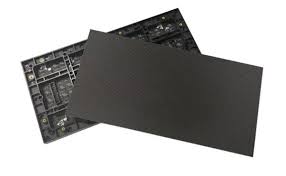
1. Fundamental Components in LED Display Manufacturing
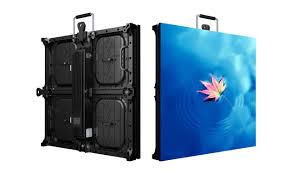
At the core of LED displays are Light Emitting Diodes (LEDs) which vary primarily by size (pixel pitch), brightness, and color rendering capabilities. The pixel pitch, measured in millimeters, refers to the distance between the centers of two adjacent pixels; the finer the pitch, the higher the resolution and image clarity. For example, a 1.2mm pixel pitch display is used for indoor, close-distance viewing, while 10mm and above suits outdoor, long-distance applications.
LED modules are fabricated on Printed Circuit Boards (PCBs), typically using Surface Mount Device (SMD) technology, which enables compact, efficient assemblies. The integration of reliable IC drivers (such as MBI or Chip-on-Board drivers) ensures uniform current distribution and color consistency, critical for avoiding uneven luminance and color shifts.
2. Critical Technical Parameters for Quality Control
Manufacturing high-grade LED displays requires stringent control over several performance parameters, guided by international standards like IEC 62717 for LED modules.
- Brightness: Indoor screens typically require 800–1200 nits, while outdoor units demand 5,000 nits or more for visibility under direct sunlight. Brightness uniformity across the entire panel should ideally exceed 90%.
- Refresh Rate: To prevent flicker, especially important for broadcasting and live events, refresh rates should be at least 1920 Hz or higher.
- Viewing Angle: Wide viewing angles (≥140° horizontal and vertical) ensure consistent image quality for a broad audience.
- Color Accuracy: Achieving a high Color Gamut (70%+ NTSC) and precise calibration reduces visual fatigue and enhances viewer experience.
3. Advanced Manufacturing Techniques and Innovations
Modern factories use automated Pick-and-Place machines and reflow soldering ovens to enhance production speed and minimize defects. Vision inspection systems identify misaligned LEDs or soldering faults early. Thermal management innovations such as aluminum backplanes and heat sinks extend lifespan by maintaining optimal operational temperatures, preventing phosphor degradation and LED burnout.
Recent trend shifts include the adoption of COB (Chip-on-Board) technology for micro-LEDs, which offers higher brightness and finer pixel density, promising superior image quality in compact form factors. Moreover, the integration of IoT for remote diagnostics and real-time monitoring enables predictive maintenance, reducing downtime and operational costs.
4. Industry Case Studies and Applications
Global brands like Samsung, LG, and Unilumin have set benchmarks in LED display quality by employing rigorous design validation and compliance with safety certifications like CE and FCC. For example, Unilumin's outdoor billboard displays employ rugged IP65-rated enclosures and weatherproof connectors, ensuring uninterrupted performance in harsh climates.
In control room environments, seamless video walls fabricated with ultra-narrow bezel modules (≤1.7mm) provide crisp visuals essential for critical decision-making. Long-term operational reliability is guaranteed through lifecycle testing (minimum 100,000 hours) and resistance to electromagnetic interference (EMI), aligning with MIL-STD-461F military standards.
5. Sustainability and Future Outlook
Sustainability in LED display production involves reducing material waste, embracing recyclable components, and optimizing energy efficiency. New chip designs consume less power without compromising brightness, contributing to greener footprints.
Looking forward, developments in Micro LED and Mini LED technologies will redefine display capabilities, unlocking ultra-high resolutions with enhanced durability. Industry collaborations focusing on standardization and interoperability will streamline manufacturing and deployment, catering to expanding markets like augmented reality (AR) and automotive HUDs.
Conclusion
Mastering the intricacies of LED display manufacturing—from selecting quality components, adhering to defined technical parameters, implementing automation, to ensuring compliance with standards—plays a vital role in delivering products that excel in performance and longevity. Staying abreast with technological advancements and sustainability practices ensures manufacturers remain competitive while meeting the diverse demands of global users.
References:
- IEC 62717: LED Modules for General Lighting - Performance Requirements
- MIL-STD-461F: Requirements for the Control of Electromagnetic Interference Characteristics of Subsystems and Equipment
- Unilumin Corporate White Papers and Manufacturing Guides (2023)
- Samsung Display Technical Specifications (2023)
- LG Electronics LED Display Application Notes (2022)
LED display manufacturing, pixel pitch, LED module quality, brightness standards, LED screen technologies
Explore key advancements and best practices in LED display manufacturing including pixel pitch selection, brightness standards, and quality control measures. Understand technical parameters and innovations driving high-performance LED screens in various applications worldwide.













