

Advancements and Best Practices in LED Display Manufacturing: A Comprehensive Guide
The LED display industry has witnessed significant advancements over the past decade, driven by innovations in semiconductor technology, materials science, and manufacturing processes. As a professional LED display engineer with extensive experience in LED and LCD screen manufacturing, this article presents an authoritative overview of current best practices, technical specifications, and key insights that ensure the production of high-quality, reliable, and efficient LED displays.
Understanding LED Display Technology
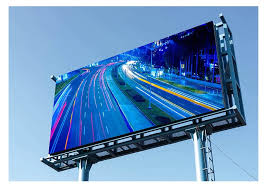
LED (Light Emitting Diode) displays are widely used across various sectors including advertising, entertainment, transportation, and corporate communication. They are favored for their brightness, color vibrancy, energy efficiency, and long lifespan compared to traditional display technologies. At the core of LED displays lie semiconductor diodes that emit light when an electric current passes through them. Configurations range from simple monochrome matrices to complex full-color RGB arrays capable of rendering dynamic video content.
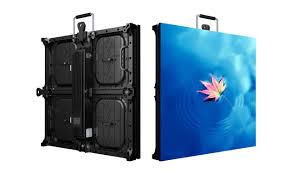
Key Technical Parameters in LED Display Manufacturing
1. Pixel Pitch:
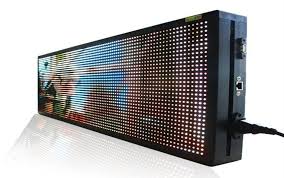
Pixel pitch, measured in millimeters, defines the distance between the centers of adjacent pixels. It directly influences display resolution and viewing distance. High-resolution indoor displays often have pixel pitches as small as 0.9mm, while outdoor billboards typically range from 4mm to 20mm to optimize visibility.
2. Brightness:
Brightness is a critical factor, particularly for outdoor applications. Measured in nits (cd/m²), modern LED displays can achieve brightness levels from 1,000 nits indoors up to 10,000 nits outdoors to combat sunlight. Consistent brightness uniformity (±10%) is essential to maintain image quality.
3. Refresh Rate:
LED panels require high refresh rates to prevent flickering and ensure smooth video playback. Industry standards recommend refresh rates above 1920 Hz for indoor displays and above 3840 Hz for outdoor usage.
4. Color Accuracy and Bit Depth:
Color reproduction depends on the LED’s ability to vary intensity with precision. A 16-bit processing capacity per color channel is increasingly common, lending smoother gradients and more accurate colors. Calibration techniques based on CIE1931 color space ensure color uniformity.
5. Viewing Angle:
Typical LED displays offer horizontal and vertical viewing angles ranging between 120° to 160°, critical for ensuring visible content across wide audience ranges. Technologies such as surface-mounted devices (SMD) enhance viewing angles compared to traditional DIP LEDs.
Manufacturing Best Practices
- Quality Control During PCB Assembly:
Printed circuit boards (PCBs) are foundational to LED modules. Using Automated Optical Inspection (AOI) systems and X-ray inspection, manufacturers can detect faulty solder joints and component misplacements early in production, reducing failure rates.
- Thermal Management:
Heat dissipation is fundamental to LED longevity and performance. Effective use of heat sinks, thermal interface materials (TIMs), and proper module design mitigates temperature rise, which, according to studies from the International Electrotechnical Commission (IEC 62717), can enhance device lifespan by up to 50%.
- Encapsulation and Waterproofing:
For outdoor LED displays, conformal coatings and silicone encapsulation protect against moisture and dust, meeting at least IP65 ingress protection ratings to withstand harsh environmental conditions.
- Calibration and Testing:
Post-assembly calibration using high-precision spectroradiometers ensures uniform brightness and color consistency across modules. End-product testing protocols such as burn-in testing over extended durations (72+ hours) guarantee operational stability.
Industry Standards and Certification
Adhering to international standards ensures product reliability and market acceptance. Key certifications include:
- ISO 9001: Quality management systems required for consistent manufacturing processes.
- IEC 62717 / IEC 62031: LED performance standards relating to electrical, thermal, and photometric properties.
- RoHS Compliance: Restricts hazardous substances to ensure environmental friendliness.
Case Study: Enhancing Outdoor LED Billboard Performance
A global advertising firm deployed advanced LED billboard displays with a pixel pitch of 10mm and 8,000 nits brightness. By implementing high refresh rates (>3840 Hz) and utilizing SMD technology, the displays demonstrated exceptional image clarity even in direct sunlight, resulting in a 30% increase in audience engagement as measured by independent research. Strict adherence to IEC thermal management guidelines reduced module failures by 25% over 18 months of operation.
Conclusion
Manufacturing high-quality LED displays demands a thorough understanding of technical parameters, materials, and production methodologies. By integrating cutting-edge technologies, rigorous quality control, and compliance with international standards, manufacturers can deliver products that meet the evolving demands of diverse applications. Continued innovation in pixel density, energy efficiency, and durability will shape the future landscape of LED display technology.
References:
- International Electrotechnical Commission (IEC) 62717: LED modules for general lighting — Performance requirements
- “Advances in LED Display Technology,” Journal of Display Technology, IEEE, 2022
- ISO 9001 Quality management standards
- RoHS Directive 2011/65/EU













