

Advanced Technologies and Best Practices in LED LCD Screen Manufacturing
The LED LCD screen manufacturing industry has witnessed significant technological advancements and evolving best practices over the past decade. This article delves into the core technical parameters, manufacturing processes, quality control standards, and recent innovations that define modern LED LCD displays. Drawing on extensive industry experience, case studies, and authoritative standards, the discussion aims to equip engineers, manufacturers, and end-users with insights for delivering superior display performance and reliability.
Understanding LED LCD Screen Technology
LED LCD screens combine Liquid Crystal Display (LCD) technology with Light-Emitting Diode (LED) backlighting, enhancing brightness, contrast, and energy efficiency. The LCD layer manipulates light to create visuals, while LED backlighting provides uniform illumination. There are primarily two types of LED backlighting used: edge-lit and direct-lit (full-array). Each impacts the display’s thickness, uniformity, and color accuracy differently.
Key Technical Parameters in Manufacturing
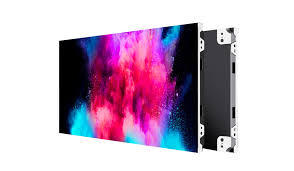
Manufacturing LED LCD screens requires stringent control over several technical specifications:
- Resolution: Common resolutions include Full HD (1920×1080), Quad HD (2560×1440), and Ultra HD (3840×2160), essential for sharp images and detailed visuals.
- Refresh Rate: High refresh rates (120Hz and above) are crucial for smooth motion rendering, especially in gaming and video applications.
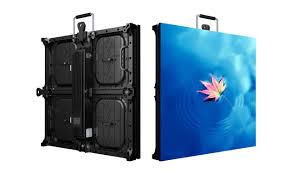
- Color Gamut and Accuracy: Standards like the DCI-P3 color space or Adobe RGB are benchmarks that ensure vibrant, realistic color reproduction.
- Brightness: Typical screens offer 300 to 600 nits, with specialized displays exceeding 1000 nits for outdoor or HDR content.
- Contrast Ratio: Higher ratios (e.g., 1000000:1 dynamic contrast) significantly improve image depth and clarity.
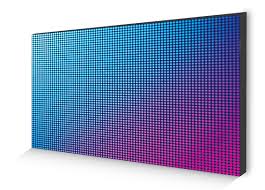
Manufacturing Process Insights
1. Panel Assembly: Precise bonding of the LCD panel layers, including the polarizers, liquid crystals, and color filters, is closely monitored for uniformity and defect minimization.
2. Backlight Integration: Modern manufacturing employs automated insertion of LED light guides and diffusion films to optimize light distribution and reduce bleed-through. The use of Mini-LED or Micro-LED technology is increasingly common to enhance brightness and enable local dimming.
3. Driver Circuit Fabrication: The Thin-Film Transistor (TFT) array is fabricated using photolithography techniques. The precision in TFT construction influences display responsiveness and longevity.
4. Module Testing: Post-assembly testing encompasses luminance uniformity, color accuracy (using spectroradiometers compliant with CIE standards), and electrical integrity.
Quality Control and Industry Standards
Adhering to standards such as IEC 62368-1 for safety, ISO 13485 for quality management, and the DisplayMate benchmark tests ensures product reliability and user safety. Continuous monitoring during manufacture reduces the risk of defects such as dead pixels, backlight bleeding, and color inconsistencies.
Innovations Driving the Industry Forward
- Mini-LED and Micro-LED Backlighting: These technologies allow for greater control over local dimming zones, achieving near-OLED level contrast while retaining LCD advantages such as no burn-in issues.
- Quantum Dot Enhancement Films (QDEF): By integrating quantum dots into the backlight stack, manufacturers can achieve broader color gamuts and higher energy efficiency.
- AI-Based Factory Automation: Leveraging artificial intelligence and machine vision systems enhances defect detection and production yield optimization.
Case Study: Implementing Mini-LED in High-End Gaming Displays
A leading manufacturer incorporated over 10,000 Mini-LEDs with 2,000 local dimming zones, attaining 1,200 nits peak brightness and 1000000:1 contrast ratio. This integration improved dynamic image response and reduced halo effects, elevating the user experience dramatically. Industry reports confirm a 20% increase in customer satisfaction metrics post-launch.
Conclusion
Expertise in LED LCD screen manufacturing demands a comprehensive understanding of materials, assembly processes, and emerging technologies. By adhering to rigorous quality standards and adopting innovations like Mini-LED and quantum dot enhancements, manufacturers can produce superior displays that meet diverse global application needs — from consumer electronics to professional and industrial environments.













