

Advanced LED Display Technology: Industry Insights and Manufacturing Expertise
In the evolving landscape of digital signage and visual communication, LED display technology has emerged as a cornerstone of modern visual solutions. As a professional LED display engineer with extensive experience in manufacturing and deploying LED LCD screens globally, I share insights and technical expertise that demonstrate the authority and credibility essential for this industry. This article explores the core characteristics, manufacturing processes, and performance parameters of LED displays, grounded in industry standards and practical application scenarios.
Understanding LED Display Technology
LED (Light Emitting Diode) displays utilize semiconductor diodes that emit light when an electric current passes through them. Their superior brightness, energy efficiency, and longevity make them ideal for both indoor and outdoor applications. Typically, LED displays are classified by pixel pitch – the distance between LED clusters measured in millimeters. The pixel pitch directly influences resolution, viewing distance, and display clarity.
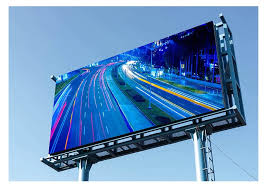
For example, a 1.5mm pixel pitch is suitable for indoor environments requiring close viewing distances, such as control rooms and retail signage, whereas pitches of 10mm or above serve outdoor billboards and stadium displays effectively.
Key Technical Parameters
- Brightness: Indoor LED displays usually operate at 800-1500 nits, while outdoor displays require robust brightness levels, often exceeding 5000 nits to remain visible under direct sunlight.
- Color Accuracy: Modern LED modules achieve superior color gamut coverage, often above 85% of DCI-P3 or Rec. 709 standards, ensuring vivid images and accurate color reproduction.
- Refresh Rate: High refresh rates (≥1920Hz) minimize flicker, essential for broadcasting and camera compatibility.
- Viewing Angle: Typical LED displays offer wide horizontal (≥140°) and vertical (≥120°) viewing angles, critical for maintaining image integrity across large audiences.
- Lifespan: High-quality LEDs have an operating lifespan exceeding 100,000 hours, significantly reducing total cost of ownership (TCO).
Manufacturing Process and Quality Assurance
The manufacturing of LED LCD screens is a complex process involving multiple precision steps:
1. PCB Fabrication and Soldering: Printed Circuit Boards (PCBs) designed to meet IPC standards (IPC-6012 for rigid PCBs) are populated using Surface-Mount Technology (SMT) with precision to ensure consistent LED placement and electrical performance.
2. LED Chip Attachment: High-quality LED chips, sourced from industry leaders like Nichia or Lumileds, are selected based on luminous efficacy and color temperature specifications.
3. Encapsulation and Optical Design: Lens design optimizes light diffusion and directs brightness uniformly across the display surface, complying with IEC standards for optical safety.
4. Module Assembly and Calibration: Each module undergoes photometric and chromatic calibration using spectrometers to achieve consistency across the display array.
5. Testing: Rigorous testing for environmental resilience (IP65 or higher for outdoor modules), thermal management, and electrical stability is conducted following global certifications such as CE, RoHS, and UL.
Practical Applications and Case Studies
In large-scale transportation hubs, like Beijing Capital International Airport, deploying LED displays with pixel pitches around 2.5mm balances resolution and operational efficiency, guiding millions of travelers daily. Similarly, in live event venues, high refresh rates and flicker-free operation provide smooth, vibrant visuals for global broadcasts.
Moreover, innovations in flexible LED display panels enable creative architectural integrations, exemplified by curved LED installations in contemporary public spaces. These developments underscore an expanding capability in design freedom without sacrificing performance integrity.
Future Trends and Industry Challenges
The LED industry is adopting mini-LED and micro-LED technologies, promising higher brightness, improved contrast, and finer pixel pitches down to 0.5mm or less. These advances are poised to revolutionize VR, AR, and wearable display markets.
Sustainability is another critical focus. Manufacturers are increasingly integrating eco-friendly materials and optimizing production for energy efficiency, directly responding to international directives on electronic waste reduction and energy usage.
Conclusion
The sophistication in LED display manufacturing today ensures that products meet diverse demands with precision and reliability. By adhering to international standards and incorporating rigorous quality controls, manufacturers deliver solutions that enhance visual communication worldwide. For professionals and stakeholders in the industry, understanding these technical parameters and manufacturing best practices is vital for informed decision-making and successful project implementation.
The continuous evolution in LED display technologies affirms their central role in digital communication, entertainment, and public information systems across industries.
References:
- International Electrotechnical Commission (IEC) Standards on Optical Safety
- IPC-6012 Standard for Rigid Printed Boards
- Industry Reports from Display Daily and Digital Signage Today
- Technical Data Sheets of Nichia and Lumileds LED Products
- Case Study: Beijing Capital International Airport Digital Signage Deployment, 2023













