

Advanced Techniques and Industry Standards in LED Display Manufacturing
The LED display industry has witnessed profound advancements in recent years, driven by rapid innovation in materials science, manufacturing techniques, and digital technologies. As global demand escalates for high-performance displays used in advertising, broadcasting, transportation, and public information systems, understanding the technical intricacies and industry standards governing LED screen manufacturing becomes imperative for engineers and manufacturers alike.
Introduction
LED (Light Emitting Diode) displays are key components in modern visual communication, offering superior brightness, color rendering, and operational longevity compared to conventional display technologies. This article explores the engineering principles behind LED manufacturing, focusing on panel design, component selection, quality control measures, and adherence to international standards to achieve optimal product performance and reliability.
Main Body
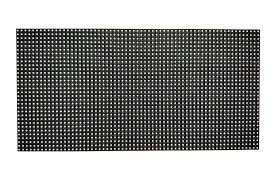
1. LED Display Structural Design
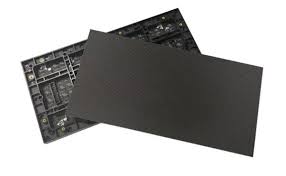
At the heart of LED manufacturing lies the design of the display architecture. Typically, an LED screen comprises:
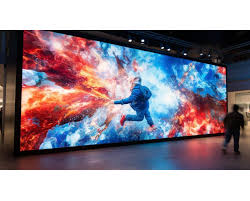
- LED Pixels: The basic units made from RGB diodes that combine to create full-color images. Each pixel's density significantly impacts display resolution, with pitches ranging from ultra-fine 0.9 mm to large-scale 20 mm for outdoor displays.
- Driver ICs: Integrated circuits that control individual LED pixels, balancing brightness, and color accuracy.
- Control System: Includes the sending and receiving cards managing data transmission to the LED panel.
Precision in the design parameters, such as pixel pitch, refresh rate (often exceeding 1920 Hz for flicker-free displays), brightness levels (measured in nits, with values reaching up to 7000 nits for outdoor screens), and contrast ratios, ensures superior image quality and visibility across various ambient conditions.
2. Material and Component Selection
Selection of high-grade LEDs with certified chromatic consistency (ΔE≤2) and stable luminous flux (e.g., over 80 lumens per watt) influences display longevity and color fidelity. Manufacturers must adhere to standards such as:
- IEC 62368-1 — focuses on the safety of audio/video equipment including LED displays.
- RoHS (Restriction of Hazardous Substances Directive) — mandates the restriction of harmful materials such as lead and mercury ensuring environmental sustainability.
3. Manufacturing Process and Quality Assurance
Key stages in the assembly process include:
- SMD (Surface-Mount Device) Placement: Automated robotic placement ensures precision and consistency.
- Reflow Soldering: For robust electrical connections without damaging sensitive components.
- Screen Calibration: Adjusting color and brightness uniformity across the entire display to meet strict tolerances.
Quality assurance involves rigorous testing phases, including:
- Burn-in Tests: Prolonged operation under standardized conditions to detect early failures.
- Environmental Stress Testing: Simulation of temperature, humidity, and vibration to confirm durability.
Such practices align with international quality standards like ISO 9001 for manufacturing and quality management systems.
4. Emerging Technologies and Trends
Innovations such as Micro-LED technology promise even finer pixel pitches and enhanced efficiency but bring challenges in mass production and cost control. Additionally, integration of AI-powered calibration systems offers automated real-time adjustments, prolonging screen life and improving user experience.
Conclusion
Manufacturing high-quality LED displays requires an expert-level understanding of component specifications, manufacturing processes, and compliance with international standards. With continual advancements in technology, LED displays are set to deliver increasingly immersive and reliable visual solutions worldwide. Engineers and manufacturers who emphasize precision, quality control, and innovation will lead the industry in meeting the global demand for cutting-edge display solutions.













