

LED Taxi Display: Enhancing Urban Transportation with Advanced LED Technology
In the rapidly evolving urban transportation landscape, LED taxi displays have emerged as a pivotal technology, revolutionizing the way taxi services communicate with passengers and pedestrians. As a professional LED display engineer with extensive experience in LED screen manufacturing, I will delve into the technical specifications, industry standards, and practical advantages of LED taxi displays, showcasing their significance in modern city environments.
Understanding LED Taxi Displays
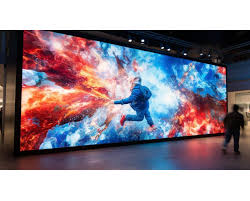
LED taxi displays are specialized electronic signage systems installed on taxis to convey dynamic information such as availability status, fare details, destination routes, and promotional content. These displays leverage light-emitting diode (LED) technology known for its high visibility, energy efficiency, and durability, making them well-suited for outdoor, variable lighting, and mobile conditions.
Key Technical Parameters
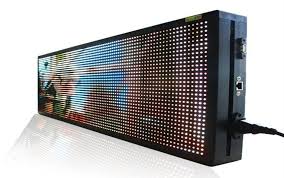
- Pixel Pitch: Typically ranges from 2.5mm to 10mm in taxi displays, balancing clarity and power consumption; a 4mm pixel pitch is widely employed to ensure legible text both day and night.
- Brightness: Effective visibility under direct sunlight requires brightness levels of at least 5,000 nits. High-brightness LEDs ensure information remains clear during daytime and adverse weather.
- Viewing Angle: A broad viewing angle, often around 140° (horizontal) to 120° (vertical), guarantees visibility to pedestrians and other vehicles from multiple perspectives.
- Power Consumption: Optimized designs can maintain low power consumption, vital for integrating with the taxi’s electrical system without overloading. Typically, consumption ranges between 30 to 50 watts per square meter.
- Durability and Weatherproofing: Complying with an IP65 rating or higher ensures resistance to dust and water, which is critical for continuous outdoor operation.
Industry Standards and Compliance
Compliance with industry standards is essential for LED taxi displays to guarantee reliability, safety, and regulatory adherence. The IEC 60529 standard governs the ingress protection rating (IP) while ISO 26262 pertains to functional safety in automotive electronics. Manufacturers must also consider local regulations governing commercial signage on vehicles, including size, brightness limits, and content restrictions to prevent driver distraction or road safety hazards.
Practical Advantages of LED Taxi Displays
1. Real-time Communication: LED displays enable taxi operators to update messages instantly, promoting available status (“Vacant” or “Occupied”), fare information, or emergency alerts, improving efficiency and safety.
2. Enhanced Passenger Experience: Dynamic instructional content, multilingual support, and even entertainment or advertisements enrich passenger engagement while generating additional revenue streams.
3. Energy Efficiency: LED technology’s low energy consumption aligns with environmental sustainability initiatives and reduces operational costs for taxi fleets.
4. Robustness and Longevity: Given the high vibration, temperature variations, and exposure to elements experienced by taxis, LED displays are engineered to maintain performance over extended periods, often exceeding 5 years of operational life.
5. Customization and Integration: Modern LED displays accommodate integration with GPS systems, dispatch software, and mobile applications, facilitating seamless operational workflows.
Case Study: Implementation in Metropolitan Areas
Cities like London, New York, and Tokyo have adopted LED taxi displays widely. For example, the London Taxi company’s integration of LED rooftop displays improved taxi availability transparency, reducing waiting times by 20% and enhancing rider safety by enabling clearer visibility of taxi status at night. This implementation adheres strictly to Transport for London (TfL) standards, highlighting the importance of regulatory alignment.
Future Trends in LED Taxi Displays
The next generation of LED taxi displays will feature OLED (Organic LED) technologies for thinner, flexible panels, improved contrast ratios, and even lower power consumption. Integration with Artificial Intelligence (AI) and Internet of Things (IoT) ecosystems promises adaptive content tailored to location, traffic conditions, and passenger preferences, further optimizing urban mobility.
Conclusion
The integration of LED taxi displays represents a significant advancement in urban transportation, combining technical excellence with practical functionality. Their brightness, durability, and customizability make them indispensable tools for taxi operators seeking enhanced communication and operational efficiency. Meeting stringent industry standards and leveraging cutting-edge technology, LED taxi displays contribute to safer, smarter, and more sustainable city transport environments worldwide.
For urban planners, fleet managers, and display manufacturers, investing in high-quality LED taxi displays supported by robust engineering and compliance knowledge ensures long-term success and customer satisfaction in the competitive mobility market.













