

Comprehensive Guide to LED Display Technology: Manufacturing, Standards, and Applications
In the rapidly evolving field of visual display technology, LED (Light Emitting Diode) displays have positioned themselves as the cornerstone of modern digital signage, broadcasting, and interactive media systems. As a professional LED display engineer with extensive experience in design, manufacturing, and quality assurance, this article offers an in-depth exploration of LED display technology—from material selection and panel manufacturing to adherence to international standards and practical applications.
Understanding the fundamentals of LED technology is crucial. LEDs convert electrical energy into light through semiconductor materials, producing high brightness and energy efficiency. The core elements in manufacturing LED displays include the LED chips, PCB substrates, driver ICs, and display modules. The quality of each affects parameters such as brightness (measured in nits or cd/m²), contrast ratio, color gamut, refresh rate, viewing angle, and lifetime (often rated at 50,000+ hours).
#Manufacturing Process and Key Technical Parameters
1. LED Chip Selection – The LED chip, primarily based on InGaN (Indium Gallium Nitride) or AlGaInP (Aluminum Gallium Indium Phosphide), determines the emission wavelength and efficiency. For example, RGB LEDs rely on different chip compounds to emit red, green, and blue colors essential for full-color displays. High binning standards during chip selection ensure uniform brightness and chromaticity, which directly influence display uniformity.
2. Module Assembly – LED modules typically consist of arrays configured with pixel pitches ranging from as small as 0.9mm (fine pitch) for indoor close-view applications up to 25-50mm for large outdoor screens. The pixel pitch directly affects resolution and viewing distance requirements. Solder paste printing, placement machines, and reflow soldering processes need strict quality control to ensure reliability and electrical continuity.
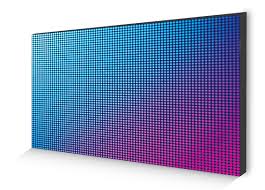
3. Surface Mount Technology (SMT) and Driver IC Integration – SMT places LEDs and ICs on PCBs using automated pick-and-place systems. The incorporated driver ICs manage grayscale and refresh rates up to 3840Hz or more, critical for flicker-free, high-quality video. The refresh rate is particularly important for broadcasting to ensure smooth motion without artifacts.
4. Testing and Calibration – Post-assembly, the modules undergo rigorous testing, including pixel-level uniformity checks, color calibration against CIE 1931 standards, brightness measurement using photometers, and environmental stress tests (temperature, humidity). Calibration is an ongoing process involving software correction to compensate for aging LEDs and thermal variations.
#Compliance with Industry Standards
The LED display industry adheres to several international standards to assure product safety, interoperability, and performance:
- IEC 62471 (Photobiological Safety of Lamps) ensures that LED displays emit safe levels of optical radiation.
- IEC 60598-1 (Luminaires – General requirements) outlines construction safety for displayed luminaires.
- GB/T 20290 (China National Standard for LED displays) governs quality and technical parameters in the Chinese market, including brightness, power consumption, and environmental requirements.
The importance of these standards is underscored by various case studies. For instance, large-scale installations such as Times Square’s LED billboards require compliance with UL and CE certifications to meet local electrical safety and electromagnetic compatibility laws.
#Applications Across Industries
LED display technology has transformed industries including advertising, sports, control rooms, and retail environments:
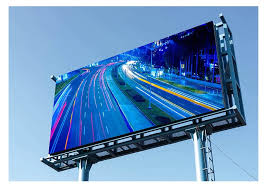
- Outdoor Advertising: High brightness (up to 8,000-10,000 nits) and robust weather resistance (IP65+) allow displays to remain visible in direct sunlight and adverse weather. Pixel pitch varies based on viewing distance from large 16mm for highway signs to fine pitches for close pedestrian zones.
- Indoor Events and Conferences: Indoor LED walls with fine pixel pitches (0.9-2.5mm) offer immersive experiences with superior color precision and seamless integration with video processors, catering to corporate presentations and live shows.
- Broadcast Studios: With stringent requirements for refresh rates (>3840Hz) and color accuracy, broadcast LED walls are engineered for flicker-free display on camera and precise color reproduction according to SMPTE standards.
- Smart Cities and Control Centers: Integrated LED displays in command centers provide real-time data and high-resolution maps, emphasizing modular flexibility and reliable uptime.
#Advances and Future Trends
Recent technological advances include the development of micro-LED displays promising improved power efficiency, higher brightness, and longer lifetimes. Integration with AI-driven content management systems enhances dynamic content delivery tailored to audience engagement patterns.
Flexible and transparent LED panels are expanding into automotive HUDs and retail window displays, showcasing the versatility of the technology.
#Practical Considerations and Best Practices
- Thermal Management: Efficient heat dissipation using aluminum backplanes and active cooling is essential to prolong LED lifespan and maintain consistent brightness.
- Power Consumption: Modern LED displays implement power-saving controls through intelligent brightness adjustment based on ambient light sensors, complying with global energy standards like Energy Star.
- Installation and Maintenance: Modular designs facilitate fast assembly and replacement. Real-time monitoring software aids in predictive maintenance, reducing downtime.
#Conclusion
As LED display technology continues to evolve, integrating advanced materials, manufacturing precision, and stringent quality standards remains paramount. Industry professionals must focus on holistic design, rigorous testing, and compliance with international standards to deliver reliable, high-performance displays that meet diverse application demands globally.
For practitioners and stakeholders, understanding the detailed parameters and manufacturing best practices outlined in this guide will ensure enhanced product quality, user satisfaction, and commercial success in the competitive LED display market.
References:
- International Electrotechnical Commission (IEC) Standards (IEC 62471, IEC 60598-1)
- SMPTE (Society of Motion Picture and Television Engineers) Colorimetry Standards
- GB/T 20290 - General Technical Requirements of LED Display (China)
- “LED Display Technologies & Applications,” Journal of Display Technology, IEEE, 2022
- Case Studies: Times Square LED Installations and Broadcast Studio Implementations (Industry White Papers)













