

Advanced LED Display Manufacturing: Technical Insights and Industry Best Practices
In the rapidly evolving field of visual display technology, LED displays stand out as a cornerstone for modern communication, advertising, and entertainment solutions. As a professional LED display engineer with extensive expertise spanning over a decade, this article delves into the technical parameters, manufacturing processes, and industry standards that shape the performance and reliability of LED displays globally.
The global LED display market experiences continual growth, projected to exceed USD 25 billion by 2026 according to MarketsandMarkets research. This trajectory is fueled by advancements in LED technology, including higher pixel densities, improved color accuracy, and enhanced durability. Understanding the intricacies behind manufacturing processes is crucial for quality assurance and innovation.
Introduction
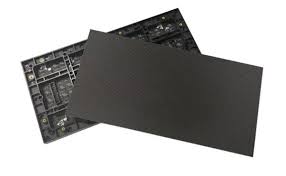
LED (Light Emitting Diode) displays utilize arrays of semiconductor light sources to render images and videos with unparalleled brightness and color vibrancy. Unlike LCDs relying on backlighting, LED displays emit light from each pixel, resulting in superior contrast ratios and energy efficiency. The manufacturing of LED displays entails a sophisticated combination of hardware engineering, materials science, and precision electronics assembly.
Main Body
1. Technical Parameters and Component Specifications
Several key technical specifications define the performance of an LED display. These parameters must be optimized for various applications, from outdoor giant billboards to indoor UHD screens:
- Pixel Pitch: The distance between the centers of adjacent pixels, typically ranging from 0.9mm in fine-pitch indoor displays to over 10mm for large outdoor installations. Pixel pitch directly impacts resolution and viewing distance.
- Brightness: Measured in nits (cd/m²), outdoor LED displays require brightness levels above 5,000 nits to remain visible under direct sunlight, whereas indoor panels typically operate between 800-1,200 nits.
- Contrast Ratio: Because each LED emits light independently, LED displays achieve contrast ratios exceeding 10,000:1, affording deep blacks and vivid color gradations.
- Refresh Rate: High refresh rates (≥1920Hz) prevent flickering in video capture scenarios and provide smooth motion rendering, essential for live broadcasts.
- Color Gamut and Calibration: Using standards such as Rec. 709 and DCI-P3, manufacturers calibrate LED modules to optimize color reproduction and uniformity. Advanced manufacturing employs color calibration rigs with spectroradiometers to ensure minimal color drift across large panels.
2. Manufacturing Process
The LED display production process involves several critical stages:
- Sourcing and Testing LEDs: High-quality LEDs, usually from reputable suppliers like Cree, Nichia, or Osram, are selected. Incoming LEDs undergo binning processes that segregate units according to luminous intensity, wavelength, and forward voltage to ensure uniformity in the final assembly.
- PCB Assembly: LED chips are mounted on printed circuit boards (PCBs) using automated pick-and-place machines. The PCBs are designed with precise impedance matching and heat dissipation features to ensure electrical reliability.
- Cabinet Fabrication: LED modules are enclosed in robust cabinets fabricated from materials such as aluminum alloy for lightweight strength and heat dissipation. Structural design must account for environmental protection (IP65 or above for outdoor use) and ease of maintenance.
- Calibration and Quality Control: Each LED module undergoes calibration involving brightness leveling and color tuning. Industry-standard equipment, including spectrometers and high-precision cameras, facilitates this process. Operators verify pixel integrity and scanning performance using automated defect detection algorithms.
- Integration and Testing: Modules are assembled into complete display units, followed by system-level tests including weather resistance, EMI/EMC compliance, and thermal cycling. Conformance to industry certifications such as IEC 62471 (photobiological safety) and RoHS (Restriction of Hazardous Substances) is verified.
3. Industry Standards and Best Practices
Adherence to international standards is central to credibility and longevity of LED displays:
- IEC 62031 specifies safety requirements for LED modules used in lighting products, applicable to high-power LED displays.
- ANSI/IES RP-27 outlines recommended practices for photobiological safety relevant to displays exposed to human eyes.
- UL 8750 certifies the safety of LED lighting systems, influencing product market acceptance.
Case studies highlight that reputable manufacturers emphasizing rigorous binning, thermal management, and standardized testing achieve up to 50,000 hours of operational lifetime with minimal brightness decay. For outdoor signs exposed to extreme weather, conformal coating and IP67-rated enclosures further improve lifespan and reliability.
Conclusion
The engineering and manufacturing of LED displays integrate advanced semiconductor technologies with precision mechanical design to deliver high-performance, reliable visual solutions. By optimizing parameters such as pixel pitch, brightness, refresh rate, and leveraging adherence to international standards, manufacturers accomplish displays suited for diverse environments and applications.
With global demand growing, ongoing innovation in areas such as micro-LED and flexible displays promises to further transform the landscape. Manufacturers and engineers who maintain stringent process controls and invest in quality testing ensure their products remain competitive, durable, and visually captivating.
As LED display technology evolves, collaboration across engineering disciplines, supply chain transparency, and commitment to sustainability will be paramount. This holistic approach guarantees not only cutting-edge products but also long-term value and customer satisfaction worldwide.













