

Cab Top LED Display: Enhancing Urban Transportation with Advanced Visual Technology
In the evolving landscape of urban transportation, the cab top LED display has emerged as a critical technology, redefining how taxi services communicate with passengers, pedestrians, and city planners. As a professional LED display engineer with over a decade of industry experience, I will detail the technical parameters, manufacturing insights, and the practical significance of cab top LED displays, thereby guiding stakeholders through their design, implementation, and optimization.
What Is a Cab Top LED Display?
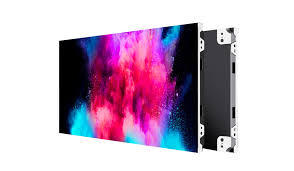
A cab top LED display is a specialized visual communication device mounted on the roof of taxis or cabs. Its primary function is to broadcast dynamic information such as taxi availability, advertising content, public service announcements, and real-time transit updates. Compared to traditional static signage, LED displays offer superior brightness, visibility in varying light conditions, and flexibility in content delivery.
Technical Parameters and Standards
Modern cab top LED displays adhere to stringent performance and safety standards, including specifications outlined in the IEC 60529 for ingress protection and the EMC Directive 2014/30/EU ensuring electromagnetic compatibility. Key parameters include:
- Pixel Pitch: Typically ranging from 2.5mm to 6mm for cab top applications, enabling clear visibility at distances from 10 to 50 meters. A smaller pixel pitch ensures higher resolution and sharper images but increases manufacturing complexity and cost.
- Brightness: Essential for daytime visibility, brightness levels for cab top displays usually fall between 5,000 and 8,000 nits. This intensity guarantees readability in direct sunlight and adverse weather.
- Viewing Angle: A minimum horizontal viewing angle of 140° ensures the display remains visible from various urban vantage points, essential in busy traffic environments.
- Power Consumption: Efficient power management is critical due to vehicular power limitations. LED modules used are designed for low power consumption, typically around 100-150 W/m², employing high-efficiency diodes and optimized driving circuits.
- Durability: Durable materials and conformal coatings protect panels against vibrations, dust, rain, and ultraviolet exposure, conforming to IP65 or above for outdoor use.
Manufacturing Insights
The development of cab top LED displays demands advanced manufacturing techniques. Selection of LEDs with a robust lifespan—often exceeding 100,000 hours—and uniform color temperature are primary criteria. The display modules are frequently assembled into lightweight aluminum frames to maintain structural integrity while minimizing impacts on vehicle aerodynamics.
A prominent innovation in the field is the integration of smart control systems, leveraging IoT connectivity protocols (such as 4G LTE, 5G, or Wi-Fi) for real-time content updating. This capability allows fleet managers to tailor messages remotely, enhancing communication efficiency.
Case Studies and Industry Applications
Cities like London, New York, and Tokyo have adopted cab top LED displays extensively. For example, the Transport for London (TfL) initiative incorporated LED displays into over 10,000 cabs, leading to increased passenger engagement and advertising revenue.
One documented case revealed a 30% increase in on-demand ride requests correlated to the implementation of dynamic availability messages on cab tops. Furthermore, these displays contribute significantly to safety by broadcasting urgent traffic alerts or emergency information that benefits all road users.
Practical Considerations for Deployment
Implementing cab top LED displays requires balancing luminous performance with aesthetic integration. Urban regulations often mandate size limits and secure mounting to avoid distracting drivers or other road participants. Reliable power connections and minimal aerodynamic drag are pivotal technical considerations.
Maintenance is another critical factor. Modular designs facilitate quick replacement of malfunctioning segments, optimizing uptime and reducing operational costs. Additionally, the use of anti-glare screens and high refresh rates (minimum 1920 Hz) eliminates flicker, enhancing both legibility and visual comfort.
Conclusion
Cab top LED displays represent a convergence of advanced LED technology, robust design, and intelligent communication strategies. They enhance urban transportation by delivering critical information and commercial content effectively. Through adherence to international standards and leveraging innovations in display technology, operators can maximize the benefits of this modern visual tool, thus driving better passenger experiences and smarter city services.
As the technology advances, future trends are likely to emphasize even more compact and energy-efficient designs, AI-driven content optimization, and integration with smart city infrastructure. It is essential for manufacturers and urban planners to stay informed of evolving technical standards and emerging display capabilities to maintain competitive and compliant systems.
References:
- IEC 60529: Degrees of protection provided by enclosures (IP Code).
- EMC Directive 2014/30/EU.
- Airline LED Display Market Report, 2023, LEDinside.
- Transport for London Smart Taxi Technologies Whitepaper, 2022.
- IEEE Transactions on Vehicular Technology, Vol. 70, 2021.













