

Advanced Technologies and Best Practices in LED Display Manufacturing
In the rapidly evolving landscape of visual display technology, the LED (Light Emitting Diode) display industry stands at the forefront, offering unparalleled brightness, color accuracy, and energy efficiency. As a professional LED display engineer with extensive hands-on experience in R&D, manufacturing, and quality control, this article aims to provide an authoritative and practical insight into state-of-the-art LED display manufacturing processes, key technical parameters, and emerging industry standards.
LED displays consist primarily of an array of tiny LEDs that emit light directly, distinguishing them from conventional LCD panels that require backlighting. This fundamental difference results in superior contrast ratios, wider viewing angles, and more vibrant color reproduction in LED displays. These features make LED technology ideal for a broad spectrum of applications, from large-scale outdoor billboards to indoor commercial screens and fine-pitch indoor video walls.
Core Manufacturing Parameters and Their Impact
Pixel Pitch and Resolution:
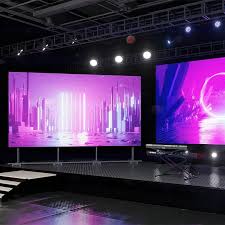
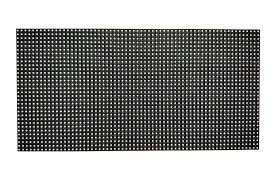
Pixel pitch, defined as the center-to-center distance between adjacent LEDs, is a critical parameter influencing pixel density and image sharpness. Smaller pixel pitch values (e.g., 0.9mm to 2.5mm) are preferred for indoor applications requiring close viewing distances, ensuring high resolutions and smooth visual output. Conversely, outdoor LED displays benefit from larger pixel pitch sizes (typically ranging from 4mm to 20mm), balancing visibility at distance with cost-efficiency.
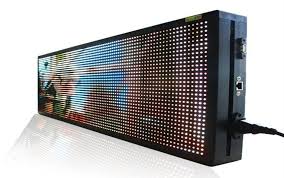
According to industry standards like IEC 62674, achieving uniform LED spacing and consistent brightness are essential to prevent image distortion and color inconsistency.
Brightness and Contrast Ratio:
Brightness, measured in nits (cd/m²), is a vital indicator of display performance. Outdoor LED displays often require brightness exceeding 5,000 nits to counteract ambient sunlight, while indoor models typically operate around 800 to 1,200 nits. High contrast ratios, enabled by independently light-emitting diodes, ensure clear differentiation between dark and bright image areas, enhancing picture quality.
Color Accuracy and Calibration:
Precise color representation demands careful calibration of individual LEDs. Advanced LED displays utilize technologies like 14-bit grayscale processing, achieving over 16,000 shades per color channel. Regular on-site calibration with colorimeters and automated compensation algorithms can maintain uniformity and counter LED aging effects over prolonged usage, adhering to guidelines set forth in ISO 9241-303 for color consistency.
Thermal Management:
Efficient heat dissipation significantly impacts LED longevity and performance. Incorporation of aluminum alloy heat sinks, optimized airflow design, and active cooling mechanisms such as fans or liquid cooling systems contribute to maintaining operating temperatures within the optimal range (typically 25°C to 40°C). Failure to control thermal drift can lead to color shift and premature LED failure.
Trends Shaping LED Display Manufacturing
Multiple innovations are transforming the LED display industry. Micro-LED technology, with its smaller diode size and higher pixel density, promises ultra-high-resolution displays with improved energy efficiency. Flexible and transparent LED panels are also gaining traction for innovative architectural and retail applications.
Moreover, integration of AI-based diagnostics enables real-time monitoring of LED module performance, fault detection, and predictive maintenance, increasing operational uptime and reducing cost of ownership. Industry leaders like Samsung and Leyard have pioneered these systems, setting benchmarks for quality and reliability.
Quality Assurance and Industry Standards
Manufacturing LED displays demands rigorous testing at every stage:
- IP Rating Certification: To ensure ingress protection, especially for outdoor models, adherence to IEC 60529 standards guarantees resistance against dust and water intrusion.
- EMC Compliance: Compliance with electromagnetic compatibility requirements (e.g., EN 55032) avoids interference with surrounding electronic equipment.
- Durability Tests: Vibration, shock, and thermal cycling tests as described in ASTM D4169 simulate real-world transportation and environmental conditions, ensuring robustness.
- Optical Performance Testing: Metrics including luminance uniformity, color gamut coverage (adhering to Rec.709 or Rec.2020 for UHD content), and refresh rate measurements optimize visual fidelity.
Conclusion
LED display manufacturing is a sophisticated discipline that integrates precision engineering, material science, and software calibration to deliver displays that meet diverse operational demands worldwide. Understanding the balance between pixel pitch, brightness, color accuracy, and thermal management is essential for designing high-performing LED systems. Compliance with international standards and ongoing quality assurance maintains credibility and reliability in a competitive market.
For manufacturers and integrators alike, staying abreast of emerging trends like micro-LED technology and AI-powered maintenance solutions will be instrumental in driving the next generation of LED displays that combine durability, brilliance, and operational efficiency.













