

Advancements and Best Practices in LED Display Manufacturing: Ensuring Quality and Performance
LED display technology has revolutionized visual communication across industries, offering vibrant, energy-efficient, and versatile solutions for both indoor and outdoor applications. As a professional LED display engineer with extensive expertise in LED and LCD screen manufacturing, I will detail the critical technical parameters, manufacturing best practices, and industry standards that underpin the production of high-quality LED displays.
1. Key Technical Parameters in LED Displays
Understanding and controlling core technical specifications is fundamental for achieving superior performance.
- Pixel Pitch: Refers to the distance between the centers of two adjacent pixels, typically measured in millimeters (e.g., 1.2mm, 2.5mm, 10mm). Smaller pixel pitch results in higher resolution and sharper images, essential for indoor displays viewed at close range.
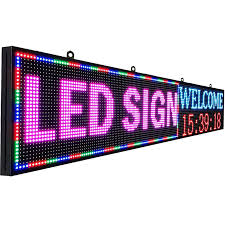
- Brightness: Measured in nits or cd/m². Outdoor LED displays require luminance levels above 5000 nits to ensure visibility under direct sunlight, while indoor displays usually range between 800 to 1500 nits.
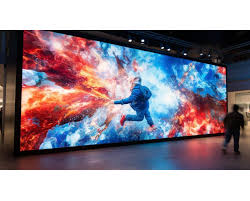
- Refresh Rate: Displays the number of times per second the image is redrawn. A refresh rate of 1920Hz or higher is optimal to prevent flickering and to provide seamless video playback, essential for broadcast-quality displays.
- Color Accuracy: Defined by color gamut (NTSC or Adobe RGB percentage) and color uniformity. Utilization of high-quality SMD (Surface-mounted device) LEDs and precise binning during manufacturing improve color consistency.
- Viewing Angle: Typically between 120° to 160°. High viewing angle ensures the image quality does not degrade at wide viewing positions, critical for public displays.
- Chip Type and LED Configuration: Using high-brightness LED chips from trusted manufacturers such as Nichia, Cree, or Epistar ensures longevity and performance reliability.
2. Manufacturing Best Practices
The production of LED displays demands meticulous quality controls and adherence to industry standards such as the IPC standards for electronic assemblies and ISO 9001 quality management systems.
- PCB and Module Production: Utilizing multi-layer PCBs with controlled impedance enhances signal integrity and power distribution. Modules should undergo automated optical inspection (AOI) and functional testing for dead pixels and uniformity.
- Soldering and Assembly: Surface-mount technology (SMT) machines with precise temperature control promote consistent solder joints, preventing failure in harsh environments.
- Encapsulation and Protection: Outdoor LED displays require conformal coatings or silicone encapsulation for waterproofing and UV resistance, meeting IP65 or higher standards.
- Calibration and Testing: Employing software-driven color calibration systems ensures uniform brightness and color balance across the entire display. Thermal management tests simulate operating conditions to prevent overheating.
- Reliability Testing: Includes accelerated aging tests, vibration, and shock testing, simulating conditions encountered during shipping and installation.
3. Industry Case Studies and Standards Compliance
Multiple case studies from leading manufacturers like Samsung LED, LG Display, and Unilumin underscore the importance of integrating stringent testing protocols. For instance, LED displays used in Times Square conform to the American National Standards Institute (ANSI) and the Illuminating Engineering Society (IES) standards ensuring safety and luminaire performance.
Moreover, adherence to RoHS (Restriction of Hazardous Substances) directives ensures environmental compliance, significantly reducing electronic waste impacts.
4. Emerging Trends in LED Display Manufacturing
- MicroLED Technology: Offers unmatched contrast ratios, brightness, and lifespan compared to traditional LEDs. Manufacturing challenges related to mass transfer and uniformity are being addressed through robotic automation.
- Flexible and Transparent Displays: Enabled by innovations in substrate materials such as OLED and flexible PCBs, expanding the application in architectural and automotive sectors.
- Smart Displays with Integrated Sensors: Enhancing interactivity and adaptive brightness control based on ambient light conditions.
Conclusion
Mastering LED display manufacturing requires an in-depth understanding of technical parameters, strict process control, and adherence to global standards. As the industry evolves, embracing new technologies such as MicroLED and integrating smart features will continue to push the boundaries of display quality and versatility. For manufacturers, investment in quality assurance, skilled engineering teams, and innovative R&D initiatives is vital to maintain competitive advantage in the global marketplace.
References:
- International Electrotechnical Commission (IEC) 62087 – Methods of measurement for the power consumption of audio, video, and related equipment
- Illuminating Engineering Society (IES) Lighting Handbook – 10th Edition
- IPC-A-610 – Acceptability of Electronic Assemblies
- RoHS Directive 2011/65/EU – Restriction of Hazardous Substances in Electrical and Electronic Equipment













