

Advances and Best Practices in LED Display Manufacturing for High-Performance Screens
In the rapidly evolving field of display technologies, LED (Light Emitting Diode) displays have become the cornerstone for delivering vibrant, energy-efficient, and reliable visual solutions across diverse applications. As a professional LED display engineer with extensive industry experience, I aim to provide an authoritative overview of LED display manufacturing, highlighting technical parameters, manufacturing processes, quality controls, and best practices that underscore the creation of high-performance LED screens.
1. Understanding LED Display Fundamentals
An LED display consists of thousands to millions of small light-emitting diodes arranged to create images or videos with exceptional brightness and contrast. Critical technical parameters include:
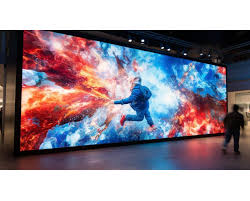
- Pixel Pitch: The distance between the center of two adjacent pixels, measured in millimeters (mm). Smaller pixel pitch (e.g., P0.9mm, P1.5mm) translates into higher resolution and is vital for close-range viewing applications.
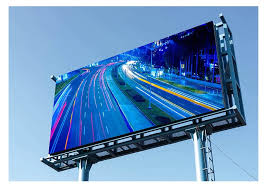
- Brightness: Measured in nits (cd/m²), typical outdoor LED screens require brightness levels of 5,000 to 10,000 nits for visibility under direct sunlight, while indoor displays usually operate between 800 to 1,500 nits.
- Refresh Rate: The number of times per second the screen updates its image, measured in Hertz (Hz). High refresh rates (≥1920Hz) are essential for eliminating flicker and minimizing motion blur.
- Color Gamut and Bit Depth: High bit depth (10-14 bits per color) ensures smooth gradients and accurate color representation, critical for applications like broadcasting and medical imaging.
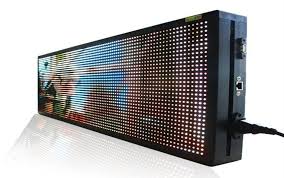
- Viewing Angle: Wide viewing angles (≥160° horizontal and vertical) maintain image integrity from various perspectives.
2. Key Manufacturing Processes
Quality LED displays start with selecting premium components and employing advanced manufacturing techniques:
- Chip Selection and Bin Sorting: LED chips vary in color and brightness characteristics due to manufacturing tolerances. Precise binning ensures uniform color and brightness across the display, playing a significant role in achieving consistent visual performance.
- Surface Mount Technology (SMT): Automated placement of LED chips on printed circuit boards (PCBs) requires precision to maintain uniformity and operational reliability.
- Soldering and Encapsulation: The soldering process must avoid cold joints, ensuring long-term mechanical and electrical integrity. Encapsulation protects LED chips from environmental hazards, such as moisture and UV exposure, enhancing lifespan.
- Module Assembly and Calibration: The assembly of LED modules follows strict protocols for alignment and calibration. Each unit undergoes optical and electronic calibration—balancing LED current and color parameters to achieve uniform brightness and chromaticity.
- Quality Control (QC): Industry standards such as ISO 9001 and IEC 62717 govern quality assurance practices. Tests include temperature cycling, humidity resistance, and photometric uniformity assessments to guarantee durability and consistency.
3. Innovations Driving Industry Progress
Continual advancements push LED displays to new performance heights:
- Mini LED and Micro LED Technologies: Mini LED (chip sizes ~100-200 μm) and Micro LED (<100 μm) offer superior control over brightness and contrast. These displays produce HDR-level imagery with higher energy efficiency and longer service life compared to traditional LEDs.
- Integrated IC Drivers: Embedding IC driver chips directly on LED PCBs reduces signal loss and improves refresh rates.
- Advanced Thermal Management: Efficient heat dissipation systems (using aluminum substrates and heat sinks) prevent LED performance degradation while prolonging service life.
- Smart Calibration Systems: Employing AI-driven algorithms optimizes brightness and color calibration dynamically, accommodating environmental changes in real time.
4. Case Study: Outdoor Stadium LED Display Implementation
An LED project for a 50,000-seat stadium included a 500 square meter P4.81mm outdoor LED screen designed to deliver high visibility under diverse lighting conditions. Key project insights:
- Brightness: Exceeding 7,000 nits guaranteed readability during daytime events.
- Refresh Rate: Operating at 3840Hz allowed flicker-free live broadcast capture.
- Durability: Compliance with IP65 waterproof rating ensured reliable operation regardless of weather.
- Installation Precision: Modular panel design facilitated efficient transport, installation, and maintenance.
This project underlined critical considerations around pixel pitch selection aligned with viewing distances, robust mechanical design to withstand weather and vibrations, and thorough onsite calibration for optimal image quality.
5. Best Practice Recommendations for LED Screen Manufacturing
From an engineering perspective, ensuring the production of high-quality LED displays demands:
- Deploying rigorous component binning to maintain color uniformity.
- Maintaining precise SMT and soldering processes to reduce failure rates.
- Applying comprehensive environmental stress screening (ESS) to confirm durability.
- Incorporating modular design for ease of maintenance and scalability.
- Continual workforce training to uphold manufacturing standards and technological updates.
Conclusion
LED display manufacturing combines precision engineering, sophisticated electronic design, and stringent quality controls to deliver products that meet the demanding needs of today's visual communications markets. Leveraging cutting-edge technologies and adhering to international industry standards, manufacturers can provide LED displays with superior image quality, energy efficiency, and longevity. As the industry progresses, embracing Mini LED and Micro LED advancements alongside smart calibration and thermal management systems will define the next generation of LED display excellence.
References
- International Electrotechnical Commission, IEC 62717: LED Modules for General Lighting – Performance Requirements
- DisplayMate Technologies, Display Calibration and Testing Standards
- "Advances in Micro LED Display Technology," Journal of Display Technology, 2023
- ISO 9001 Quality Management Systems Standard













