

Advancements and Practical Applications of LED LCD Screens in Modern Display Technology
LED LCD screens have become a cornerstone of modern display technology, blending Liquid Crystal Display (LCD) panels with Light Emitting Diode (LED) backlighting to deliver superior visual performance. As a professional LED display engineer, I can attest that understanding the technical nuances and practical applications of LED LCD screens is critical for anyone involved in display manufacturing, installation, or usage across various industries.
Technical Overview and Parameters
An LED LCD screen fundamentally consists of an LCD panel that modulates light and LED backlighting to provide illumination. The key technical specifications influencing the display quality include:
- Brightness: Modern LED LCD screens typically offer brightness ranges between 300 to 1500 nits, making them ideal for diverse lighting environments. For outdoor digital signage, brightness beyond 1000 nits ensures visibility even under direct sunlight (International Electrotechnical Commission, IEC 62471).
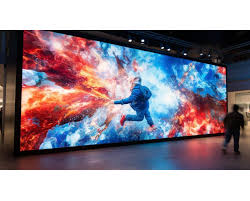
- Contrast Ratio: LED LCDs deliver high contrast ratios, from 1000:1 up to 5000:1 in premium models, enhancing image depth and color richness, crucial for medical imaging and professional graphics.
- Color Gamut and Accuracy: Utilizing LED backlighting allows covering wide color spaces such as Adobe RGB or DCI-P3, essential for broadcasting, graphic design, and photography. Quantum-dot LED LCDs push this even further by boosting color saturation and accuracy.
- Response Time and Refresh Rates: Contemporary LED LCDs support refresh rates of 60Hz to 240Hz with response times as low as 1ms, crucial for gaming and fast-motion content to reduce motion blur.
Practical Applications
The application spectrum of LED LCD technology spans multiple sectors:
- Consumer Electronics: Predominantly employed in televisions, monitors, tablets, and laptops, LED LCD screens provide brighter displays with thinner profiles and better energy efficiency compared to older CCFL-backlit models.
- Digital Signage and Advertising: Thanks to their superior brightness and durability, LED LCDs excel in both indoor and outdoor signage. Their high contrast and vibrant colors dramatically improve customer engagement.
- Healthcare and Medical Imaging: High-fidelity color reproduction and precise luminance control make LED LCDs ideal for diagnostic systems such as X-ray viewers and surgical monitors.
- Automotive Displays: Integrated into vehicle dashboards and infotainment systems, LED LCDs provide clear visibility under varied lighting conditions while meeting automotive safety standards.
- Industrial and Military Use: Robust LED LCD screens with special coatings and enhanced durability support ruggedized devices for field operations and control rooms.
Advantages
The LED backlight offers numerous advantages over traditional cold cathode fluorescent lamps (CCFL):
- Energy Efficiency: LEDs consume significantly less power, improving energy consumption in large display installations.
- Longevity and Reliability: LEDs have longer lifespans (up to 100,000 hours) and better resistance to shock and vibration, lowering maintenance costs.
- Slim Form Factors: LED backlighting enables thinner and lighter screens, aiding portability and installation flexibility.
- Environmentally Friendly: LEDs exclude mercury, which is present in CCFLs, making disposal safer and more eco-friendly.
Common Problems and Solutions
Despite their many benefits, LED LCDs face some challenges:
- Backlight Bleeding: Uneven LED panel alignment or poor diffusion layers can cause light leakage. Manufacturers address this through improved backlight design and quality control during assembly.
- Color Uniformity Issues: Variations in LED brightness can result in inconsistent color tones. Advanced calibration techniques and localized dimming zones help mitigate these effects (Society for Information Display, SID).
- Screen Burn-in and Image Retention: While more common in OLED displays, static images on LED LCDs may cause temporary retention. Modern screens incorporate pixel shifting and screen savers to prevent this.
- Heat Dissipation: High brightness LED arrays generate heat, necessitating effective thermal management practices such as heat sinks and active cooling systems to maintain reliability.
Latest Trends and Innovations
Emerging technologies are reshaping the LED LCD market:
- Mini-LED and Micro-LED Hybrid Displays: By dramatically increasing the number of dimming zones or integrating micro-LEDs, these hybrid screens offer near-OLED levels of contrast and dynamic range without compromising longevity or brightness.
- Quantum Dot Enhancement Films (QDEF): This technology enhances the color gamut and brightness efficiency of LCD panels and is widely adopted in premium televisions to meet the demands of HDR (High Dynamic Range) content.
- Flexible and Transparent LED LCDs: Research into flexible substrates and transparent display technology is enabling innovative applications such as wearable devices and augmented reality (AR) interfaces.
- AI and Adaptive Display Technologies: Software-driven adjustments tailor brightness, contrast, and color profiles in real-time based on ambient conditions and content type, improving user experience and reducing energy consumption.
Conclusion
For manufacturers, system integrators, and end-users, understanding the comprehensive landscape of LED LCD screens is imperative. Their technological evolution, practical advantages, and wide application scope make them indispensable in countless domains. Staying abreast of industry standards and emerging trends, such as those outlined by the IEC and SID, will ensure leveraging LED LCD displays to their fullest potential in delivering exceptional visual performance and durability.













