

Comprehensive Guide to LED Display Technology: Innovations, Manufacturing, and Industry Standards
LED display technology has revolutionized the visual communication landscape across numerous industries, from advertising and entertainment to transportation and healthcare. As a seasoned LED display engineer with extensive experience in research, design, and manufacturing, I will provide a thorough exploration of LED display technology, focusing on the latest innovations, manufacturing processes, technical specifications, and adherence to international standards. This comprehensive guide is designed to serve industry professionals, technical enthusiasts, and decision-makers seeking authoritative insights into LED display systems.
1. Overview of LED Display Technology
Light Emitting Diodes (LEDs) generate light via electroluminescence when an electrical current passes through semiconductor materials. For displays, arrays of these LEDs are organized into pixels to present dynamic graphical content. The advantage of LED displays includes high brightness, excellent color reproduction, long lifespan, and low power consumption.
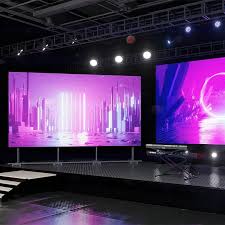
Modern LED display panels are classified based on pixel pitch, resolution, color, and configuration:
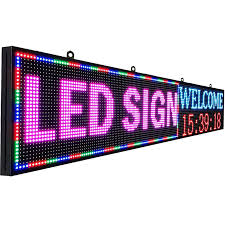
- Pixel Pitch: The distance between the centers of two adjacent pixels, measured in millimeters. Smaller pixel pitch results in higher resolution and image clarity.
- Resolution: Determined by pixel density and screen size. Typical applications vary from simple text displays to ultra-high-definition video screens.
- Color Capabilities: Full-color RGB displays or specialized monochrome/bi-color units for specific use cases.
- Module Types: Indoor versus outdoor modules, flexible LED screens, transparent LED panels, and curved LED displays.
2. Technical Parameters of LED Displays
Key technical specifications define the quality and applicability of LED displays:
- Brightness: Measured in nits (cd/m²), typical indoor LED brightness ranges from 800 to 1500 nits, while outdoor displays require 5000 to 7000 nits or higher to overcome sunlight.
- Viewing Angle: Affects image visibility and color uniformity; standard viewing angles range from 120° to 160° horizontally and vertically.
- Refresh Rate: To avoid flicker, especially in broadcasting, high-end LED displays operate at refresh rates above 3840 Hz.
- Gray Scale and Color Depth: 14-bit or higher grayscale depth enables smooth gradients and realistic image rendering.
- Contrast Ratio: Higher contrast ratios ensure a wider dynamic range in displayed images. OLED screens excel here, but advancements in LED contrast through local dimming are notable.
- Lifespan: Rated in hours of operation, modern LEDs reach up to 100,000 hours under optimal conditions.
3. Manufacturing Process of LED Displays
The assembly of LED displays involves several critical phases following rigorous quality control:
- LED Sourcing: High-grade diodes from reputable semiconductor providers ensure consistent luminance and color fidelity. Industry leaders like Cree, Nichia, and Osram supply dominant components.
- PCB Design and Fabrication: Printed Circuit Boards (PCBs) house the LEDs. Precision in layout design contributes to thermal management and electrical performance.
- Surface Mount Technology (SMT): LEDs and other components are mounted on the PCB using automated SMT machines with micron-level placement accuracy.
- Module Assembly: Individual PCBs form modules, which are tested for pixel integrity, color calibration, and brightness uniformity.
- Cabinet Formation: Modules mount onto robust cabinets designed to meet mechanical and environmental specifications.
- Calibration and Quality Control: Automated optical inspections, color calibration tools, and burn-in tests enforce compliance with international standards like IEC 62368-1 for safety.
4. Innovations in LED Display Technology
Recent advancements have pushed LED displays farther with emerging technologies:
- MicroLED Displays: Offering higher brightness, exceptional efficiency, and a lifespan surpassing OLED, MicroLEDs employ microscopic LEDs to form pixels.
- Transparent LED Screens: Integrating display functionality without sacrificing transparency, they are increasingly used in retail storefronts and architectural applications.
- Flexible and Curved Displays: Enabled by advances in substrate technology, these displays open new possibilities for creative installations.
- Smart Control Systems: Incorporation of AI-enabled content management and environmental sensing optimizes display performance and longevity.
- Energy Efficiency: New driver ICs and thermal management enable significant reductions in power consumption, contributing to sustainability goals.
5. Industry Standards and Compliance
Successful deployment of LED display systems mandates adherence to well-defined standards:
- Electrical Safety: IEC 62368-1 and UL 8750 ensure the display’s electrical design minimizes risks.
- Environmental Protection: IP ratings (Ingress Protection), commonly IP65 or higher for outdoor displays, certify water and dust resistance.
- Electromagnetic Compatibility (EMC): Compliance with CISPR 32 and FCC Part 15 limits electromagnetic interference.
- Colorimetry Standards: Adhering to CIE 1931 standards ensures displays provide accurate and consistent color reproduction.
6. Applications Across Industries
LED displays find widespread applications tailored to specific needs:
- Advertising: Large-format billboards and digital signage require high brightness and pixel density.
- Sports and Entertainment: Stadium displays demand durability, wide viewing angles, and seamless multi-panel integration.
- Transportation: Information displays in airports and railways prioritize visibility in strong ambient light and reliability.
- Medical Imaging: Enhanced grayscale and color accuracy benefit diagnostic systems.
- Retail and Corporate: Interactive and aesthetically flexible displays enhance customer engagement.
7. Challenges and Future Perspectives
While LED technology advances rapidly, challenges persist:
- Cost and Scalability: MicroLED production remains expensive due to complex manufacturing steps.
- Heat Dissipation: High brightness outputs necessitate efficient thermal management to maintain device longevity.
- Color Uniformity Over Time: Aging LEDs may exhibit color shifts; ongoing research focuses on mitigating degradation.
- Environmental Impact: Sustainable manufacturing and recycling processes are essential to industry responsibility.
Emerging trends such as integrating AR (Augmented Reality) functionality, AI-driven content optimization, and IoT connectivity point toward the future of intelligent LED display ecosystems.
Conclusion
The LED display industry continues to evolve with technological innovations and stringent manufacturing protocols ensuring superior quality and reliability. For system integrators, designers, and end-users, understanding these parameters and standards is crucial in selecting and maintaining optimal LED display solutions. As global demand for dynamic digital signage and immersive visual experiences grows, mastery of LED display engineering remains a cornerstone of successful deployment.
References:
- International Electrotechnical Commission (IEC), IEC 62368-1 Standard: Audio/video, information and communication technology equipment safety.
- CIE 1931 Colorimetry Standards.
- IEEE Transactions on Electron Devices, “Advances in MicroLED Displays” (2021).
- DisplayWeek Conference Proceedings, Society for Information Display (SID), latest LED display manufacturing techniques.
- Cree & Nichia official datasheets and whitepapers on LED performance metrics.













