

Advanced Techniques and Best Practices in LED Display Manufacturing for Superior Performance
In the rapidly evolving field of LED display manufacturing, achieving superior performance and longevity requires a comprehensive understanding of cutting-edge techniques, material science, and quality control protocols. This article delves into the critical aspects of LED display production, providing technical insights and industry-validated practices that guarantee exceptional product reliability, image quality, and operational efficiency.
LED displays, fundamentally composed of arrays of light-emitting diodes, are employed across a vast array of applications—from outdoor billboards to indoor advertising, control rooms, and stadiums. Their performance hinges significantly on parameters such as pixel pitch, brightness, contrast ratio, viewing angle, color accuracy, and refresh rates.
Pixel Pitch and Resolution:
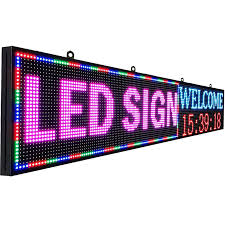
Pixel pitch, defined as the distance between the centers of two adjacent LEDs, directly impacts resolution and viewing distance. Typical pixel pitches range from 0.9mm to 20mm, with finer pitches favored for close viewing environments, such as indoor retail or broadcast studios, where high resolution enhances image clarity. Standards like the IEC 61341 provide guidelines on pixel density and tolerance levels to ensure uniformity.
Brightness and Contrast:
Brightness is measured in nits (cd/m²), with outdoor displays often exceeding 5,000 nits to combat direct sunlight exposure. Indoor displays generally require 800 to 1,500 nits for comfortable viewing. High dynamic contrast ratios are essential for vivid image reproduction and can be optimized by carefully selecting LED binning grades and employing advanced PWM (Pulse-Width Modulation) techniques to modulate LED brightness with minimal power loss.
Viewing Angle and Color Uniformity:
Wide viewing angles—commonly up to 160° horizontally and vertically—are critical for audience engagement. Achieving uniform color rendering requires precise calibration and the use of high CRI (Color Rendering Index) LEDs, typically above 85. Advanced color management algorithms adjust for temperature-induced shifts, ensuring consistency regardless of environmental conditions.
Thermal Management and Durability:
Effective heat dissipation is paramount in extending LED lifespan, which can exceed 100,000 operational hours under optimal conditions. Manufacturers implement passive cooling systems such as aluminum heat sinks, alongside active methods like forced air cooling in high-power modules. Encapsulation materials with high UV resistance and IP-rated enclosures (typically IP65 or higher for outdoor units) safeguard against moisture and dust ingress, aligning with industry standards set forth by organizations such as the International Electrotechnical Commission (IEC).
Quality Control and Testing:
Adhering to rigorous quality control processes is non-negotiable. Each LED batch undergoes binning based on luminance, wavelength, and forward voltage to maintain consistency. Post-assembly testing includes photometric evaluation using integrating spheres, and reliability tests simulate accelerated aging under controlled environmental stressors. These protocols follow MIL-STD-810G and IEC 62087 standards, ensuring displays perform reliably in diverse operating conditions.
Emerging Technologies and Trends:
The integration of MicroLED technology is revolutionizing the market by offering pixels at the microscopic scale with higher energy efficiency and contrast ratios. Meanwhile, OLED displays provide flexibility and superior color fidelity but face challenges such as shorter operational lifespans and susceptibility to burn-in. Hybrid systems that combine LED backlighting with LCD matrixes are also gaining traction for cost-effective solutions.
Case Studies:
Several landmark projects underscore these industry advancements. For example, the installation of a 1.2mm pixel pitch LED wall in a premier broadcast studio delivered unparalleled resolution and color uniformity, adhering strictly to Rec.709 color space standards. Another notable project involved deploying an IP68-rated outdoor LED display in a coastal environment, demonstrating resilience under high humidity and salt spray conditions while maintaining brightness over 7,000 nits.
In summary, mastering LED display manufacturing requires a multi-disciplinary approach encompassing precise component selection, meticulous assembly, advanced control electronics, and exhaustive testing. Adopting international standards and investing in ongoing R&D are vital for producing displays that meet the rigorous demands of various applications worldwide.













