

Advancements and Best Practices in LED Display Manufacturing: Ensuring Quality and Performance
The LED display industry has witnessed unprecedented growth in recent years, driven by technological advancements, demand for high-resolution screens, and broad applications ranging from advertising to control rooms. As a professional LED display engineer, it is essential to understand the intricate manufacturing processes, critical parameters, and best practices that determine the final product's quality, reliability, and performance.
Key Components and Their Impact on LED Display Quality
At the heart of every LED display is the LED module, which integrates light-emitting diodes precisely mounted onto printed circuit boards (PCBs). The selection of LED chips with high luminance, uniform color temperature, and long lifespan is crucial. Typically, LED brightness is measured in nits (cd/m²), with indoor displays ranging from 800 to 1,200 nits and outdoor displays exceeding 5,000 nits to overcome environmental lighting.
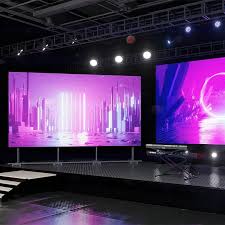
The pixel pitch—a fundamental parameter—is the distance between adjacent pixel centers, measured in millimeters. Smaller pixel pitches (e.g., 0.9mm to 2.5mm) allow higher resolution and close viewing distances, influenced by factors such as the intended use and installation environment. For example, a control room display may require a 0.9mm fine pitch, whereas a billboard might utilize a 10mm pitch for visibility from afar.
Manufacturing Process and Quality Control
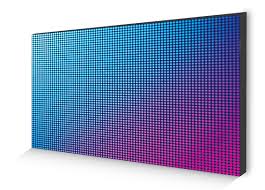
The manufacturing of LED displays involves multiple stages, including PCB fabrication, LED chip placement, soldering, module encapsulation, and rigorous testing. Precision machine placement ensures uniformity and alignment, essential for maintaining color consistency and preventing dead pixels. According to IPC standards (e.g., IPC-A-610), solder joint quality significantly influences long-term reliability.
Thermal management is another critical area. LED modules generate heat that can degrade performance and lifespan if not properly dissipated. Modern designs incorporate aluminum backplanes and heat sinks, and some high-end displays use active cooling solutions. Testing with thermocouples and infrared imaging confirms effective heat dissipation.
Waterproof rating is essential for outdoor applications, generally adhering to IP65 or higher, ensuring resistance to dust and rain. The encapsulation materials must also prevent moisture ingress, which can cause corrosion and electrical failures.
Calibration and Color Management
Post-assembly, calibration optimizes color uniformity and brightness consistency. Professional calibration tools like spectroradiometers and colorimeters adjust each LED module's output to meet standards such as Rec.709 or DCI-P3, depending on the application. Uniform color reproduction enhances viewer experience, especially critical in retail digital signage and broadcast studios.
Industry Case Studies and Standards Compliance
Industry leaders often adopt standards such as ISO 9001 for manufacturing quality management and comply with environmental regulations like RoHS to restrict hazardous substances. For instance, a case study from Daktronics detailed how rigorous adherence to IPC soldering standards improved product reliability by 30% in their outdoor LED signage.
Moreover, the integration of smart diagnostic modules allows real-time monitoring of LED conditions, further reducing downtime—an innovation aligned with Industry 4.0 practices.
Conclusion
LED display manufacturing is a complex, multi-faceted discipline that demands attention to detail from component selection to final testing. Understanding the technical parameters—such as pixel pitch, brightness, thermal management, and encapsulation—as well as compliance with industry standards, ensures the production of durable, high-performance displays. Continuous innovation driven by research and case studies guarantees that LED displays meet ever-evolving market and environmental demands.
For professionals and manufacturers in the field, applying best practices and leveraging technological advancements will continue to shape the future of LED display technology, delivering visually stunning and reliable products across diverse applications.













