

Advanced LED Display Technology: Engineering Excellence for High-Performance LED Screens
In today’s rapidly evolving digital world, LED display technology stands at the forefront of visual communication, combining precision engineering and cutting-edge manufacturing processes to deliver vivid, reliable, and high-performance screens. As an experienced LED display engineer with comprehensive expertise in LED LCD screen manufacturing, this article delves into the technical fundamentals, industry standards, case studies, and practical insights that define modern LED display solutions.
1. Introduction to LED Display Technology
LED (Light Emitting Diode) displays consist of an array of LEDs arranged to create images, videos, or other digital content. Unlike traditional LCDs, which rely on backlighting, LEDs are self-illuminating, thus offering superior brightness, contrast, and energy efficiency. This technology supports various applications, including outdoor billboards, stadium screens, retail displays, video walls, and indoor signage.
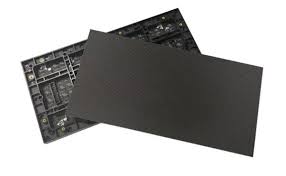
2. Core Engineering Principles of LED Displays
The engineering process behind an LED display involves meticulous design from pixel architecture to thermal management:
- Pixel Pitch and Resolution: Pixel pitch defines the distance between LED cluster centers, typically measured in millimeters (mm). A smaller pixel pitch indicates higher resolution and clarity at closer viewing distances. For instance, a 1.25mm pixel pitch LED display is suited for indoor use with close-range viewing, whereas a 10mm pitch suits outdoor billboards viewed from afar.
- LED Chip Quality and Color Accuracy: High-grade LED chips, sourced from renowned manufacturers like Cree or Nichia, are key to achieving consistent color temperature and luminous intensity. Engineering integrates binning processes to ensure uniformity, a critical factor for visual fidelity.
- Refresh Rate and Gray Scale: Industrial standards generally target refresh rates above 1920Hz to avoid flicker and provide smooth video playback. Gray scale levels, often exceeding 14-bit processing, enable detailed image gradients and nuanced color shading, vital for broadcast-quality displays.
- Thermal Management: Heat dissipation is a cornerstone in LED design to maintain longevity and consistent brightness. Techniques include aluminum substrates, heat sinks, cooling fans, and thermally conductive adhesives.
3. Industry Standards and Certification Compliance
LED displays must align with international standards such as IEC 62368-1 for safety and IEC 62087 for energy efficiency. Certification by bodies like UL (Underwriters Laboratories) and CE (Conformité Européenne) ensures consumer safety and facilitates global market access. Additionally, IP (Ingress Protection) ratings, commonly IP65 for outdoor models, certify environmental resistance against dust and water ingress.
4. Manufacturing Process and Quality Assurance
The manufacturing journey of LED displays spans several stages to guarantee precision:
- SMD (Surface-Mount Device) Assembly: Modern LED displays utilize SMD technology, mounting red, green, and blue LED chips onto a single package to allow finer pixel pitch and wider viewing angles.
- PCB Design and Testing: Printed circuit boards are designed to optimize signal integrity and thermal conductivity. Automated Optical Inspection (AOI) and In-Circuit Testing (ICT) verify solder joints and circuit continuity.
- Module and Cabinet Assembly: LED modules are integrated into cabinets, incorporating power supplies and control boards. Modular design supports scalability and serviceability.
- Calibration and Pixel Adjustment: Post-assembly, calibration using photometric meters and software tools adjusts brightness and color uniformity, mitigating discrepancies from manufacturing tolerances.
5. Case Studies: Successful LED Display Deployments
- Times Square, New York: The iconic LED billboards utilize ultra-high resolution displays with pixel pitches as fine as 10mm and brightness levels up to 8,000 nits to outperform ambient sunlight, operating 24/7 with robust power backup and advanced cooling.
- FIFA World Cup Stadium Screens: LED video walls with large viewing angles (up to 160° horizontal) and refresh rates above 3840Hz provide seamless live broadcast quality during high-profile sporting events, complying with international safety and quality standards.
- Retail Digital Signage in Asia: Customized indoor LED displays with 1.5mm pixel pitch and 600 nits brightness enhance branding and customer engagement, integrating AI-based content adjustment for ambient light conditions.
6. Emerging Trends and Future Directions
The LED display industry continues to innovate, driven by demands for thinner, brighter, and more energy-efficient panels:
- MicroLED Technology: By leveraging microscopic LEDs, MicroLED displays offer near-perfect color accuracy, ultra-high brightness, and longer lifespan, positioning them as a future standard for premium displays.
- Flexible and Transparent Displays: Innovations in flexible PCB and encapsulation enable curved and bendable LED screens, expanding creative applications in architectural and automotive fields. Transparent LED displays open new frontiers for retail and smart glass integration.
- AI-Enhanced Display Optimization: Artificial intelligence enables real-time brightness and color adaptation, predictive maintenance, and enhanced content delivery, elevating user experience and minimizing operational costs.
7. Practical Recommendations for Engineers and Manufacturers
- Prioritize sourcing high-quality LED chips and components to ensure durability and consistent performance.
- Implement comprehensive testing protocols to minimize defects and variance in brightness or color.
- Adopt modular designs for ease of assembly, maintenance, and scalability.
- Stay abreast of evolving regulatory requirements to maintain compliance and certification.
- Embed energy-efficient components and thermal management to improve sustainability.
Conclusion
LED display engineering integrates sophisticated electrical design, material science, and manufacturing expertise to produce visually stunning and reliable screens for diverse environments. Upholding rigorous standards and leveraging continual innovation ensures these displays not only captivate audiences but also deliver enduring performance over their lifecycle. For professionals in the LED display sector, understanding these principles and best practices is critical to advancing technology and meeting the dynamic demands of a global marketplace.
References:
- International Electrotechnical Commission (IEC) standards IEC 62368-1, IEC 62087
- Underwriters Laboratories (UL) Certification Guidelines
- Nichia and Cree LED Technical Datasheets
- Application notes and white papers from industry leaders like Samsung Display, LG Electronics
- Case studies from industry exhibitions such as InfoComm and LEDExpo













