

All-in-One LED Display: Integration and Innovation in Modern Visual Technology
The all-in-one LED display represents a significant evolution in visual technology, combining hardware, software, and control systems into a singular, compact solution. As industries demand more versatile, high-quality display systems, the integration of various functional components into a unified LED display unit has become a trend that optimizes performance, reliability, and user convenience.
Technical Overview and Structure
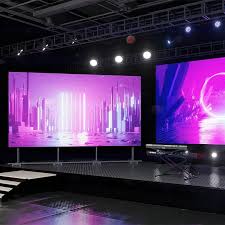
An all-in-one LED display typically integrates the LED panel, driving electronics, control units, and often embedded media processing hardware into one cohesive module. Unlike traditional LED setups that require external controllers, processors, and separate power supplies, the all-in-one systems streamline installation and reduce the complexity of cabling and configuration.
Key Technical Parameters
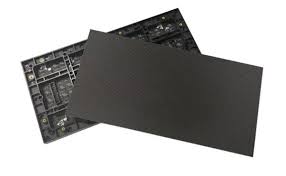
- Pixel Pitch: Ranging from 0.9mm to 10mm, allowing usage in applications from close-up indoor displays to large-scale outdoor signage.
- Brightness: Indoor models typically offer 800-1500 nits, whereas outdoor variants can reach 5000+ nits to maintain visibility under direct sunlight.
- Refresh Rate: High-end all-in-one LED screens support refresh rates exceeding 3840Hz, ensuring flicker-free images suitable for broadcast and live event environments.
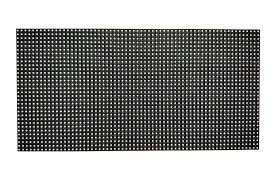
- Viewing Angle: Wide horizontal and vertical viewing angles (≥140°) accommodate larger audience coverage without color distortion.
- Power Consumption: Integration often leads to optimized power efficiency; typical ranges are 150-350 W/m², depending on screen size and pixel pitch.
- Control Interfaces: Embedded control modules support HDMI, DVI, USB, and network connections, simplifying signal transmission and enhancing compatibility.
Innovative Integration Benefits
1. Simplified Installation and Maintenance: By incorporating the powering circuitry and control systems inside the display chassis, the all-in-one design eliminates bulky external devices. This is particularly beneficial in rental and mobile LED applications where rapid deployment and teardown are critical.
2. Enhanced Reliability: Integration reduces connection points susceptible to failure, improving overall system durability. Industry case studies from NEC and Leyard demonstrate a significant decrease in downtime with all-in-one display arrays deployed in high-traffic venues.
3. Cost Efficiency: Although the upfront costs may be higher than modular systems, the reduction in infrastructure, cabling, and labor tends to lower total cost of ownership.
4. Compact and Aesthetic Design: The unified form factor supports sleek architectural integration, aligning with contemporary design aesthetics in retail, corporate, and entertainment sectors.
Applications Across Industries
- Digital Signage: Retail environments utilize all-in-one LED displays for dynamic promotions that capture consumer attention with vibrant imagery and high responsiveness.
- Broadcast Studios: Their high refresh and resolution make them perfect backdrops, delivering seamless video integration on-screen.
- Corporate and Education: Meeting rooms and lecture halls benefit from easy setup and plug-and-play capabilities, enhancing presentations and collaborative work.
- Transportation Hubs & Outdoor Advertising: Weatherproof all-in-one LED displays provide reliable, high-visibility messaging in airports, train stations, and urban billboards.
Standards and Compliance
Leading manufacturers adhere to industry standards such as IEC 62368-1 for safety and UL certifications to ensure operational safety. Furthermore, IP ratings (IP65 or higher for outdoor models) guarantee dust and water resistance per IEC 60529 standards. Compliance with RoHS and REACH directives ensures environmental and health-friendly manufacturing processes.
Future Trends
Emerging technologies such as MicroLED and MiniLED integration within all-in-one displays promise higher brightness, improved contrast ratios, and further power efficiency improvements. The infusion of AI-driven calibration and content management systems within the all-in-one architecture is also a rapidly developing domain that encourages smarter, automated visual presentation tailored to dynamic environments.
Conclusion
The all-in-one LED display is more than just a convenience; it embodies a sophisticated convergence of engineering disciplines that offer enhanced performance, installation efficiency, and aesthetic appeal. Understanding its technical nuances and market applications helps industry professionals select systems that deliver robust, scalable, and visually stunning solutions. As visual technology progresses, the all-in-one LED display will remain a critical centerpiece in delivering immersive and reliable digital experiences worldwide.













