

Taxi LED Screen Technology: Enhancing Urban Transportation Advertising and Information
The integration of LED display technology within urban transportation, particularly in taxis, is transforming how advertising and public information reach city dwellers. Taxi LED screens represent a convergence of advanced display engineering and strategic marketing, leveraging high-visibility digital panels to engage passengers and pedestrians alike. As an experienced LED display engineer, I provide an in-depth analysis of taxi LED screen technology covering technical specifications, operational advantages, industry standards, and case study insights, crucial for manufacturers, advertisers, and city planners aiming to implement efficient and impactful LED solutions.
Technical Specifications and Design Parameters
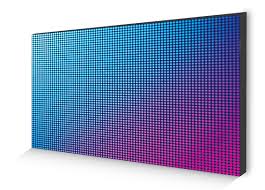
Taxi LED screens are characterized by their dynamic display abilities adapted for mobile environments. The most widely used type is the Full-Color LED display with pixel pitches ranging from P2.5mm to P6mm. The pixel pitch determines the pixel density and viewing distance; for taxi applications, a typical pixel pitch is around P4mm, balancing resolution and cost. Screen sizes generally range between 32 to 55 inches, configured as interior ceiling or partition screens and exterior rooftop displays.
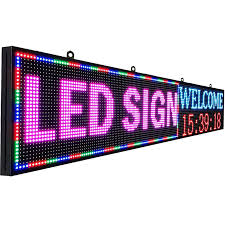
Key technical features include:
- Brightness: Taxi LED screens require brightness levels between 800 to 1500 nits, enabling clear visibility in diverse ambient lighting conditions from daylight to nighttime city cycles.
- Refresh Rate: A refresh rate of at least 1920Hz ensures flicker-free images suitable for HD video content, critical in environments involving both passengers and street viewers.
- Durability and Weather Resistance: Outdoor taxi LED screens comply with IP65 standards, providing resistance against dust and water ingress. Internal screens focus more on shock resistance and thermal management.
- Power Consumption: Advanced LED modules optimize power consumption, typically operating at 150-250W per square meter, an essential factor given the taxi’s limited electrical supply.
Industry Standards and Quality Assurance
Implementing taxi LED technology requires adherence to multiple standards:
- IEC 60598: Addresses luminaires' safety, relevant to interior taxi screens.
- RoHS Compliance: Ensures environmentally safe components free from hazardous substances.
- ISO 9001 Certification: Reflects manufacturing quality management for consistent product reliability.
- EMC Standards: Prevent electronic interference with vehicle communication systems.
Manufacturers utilize automated optical inspection (AOI) and rigorous aging testing (minimum 72 hours) to maintain a low failure rate and ensure long-term operational stability.
Operational Benefits in Urban Mobility
Taxi LED screens offer several practical advantages:
- Dynamic Advertising: Unlike traditional static taxi roof signs, LED screens allow advertisers to deploy multiple ads, update content remotely, and adjust messaging based on time or location. This capability increases revenue streams for taxi operators by turning vehicles into mobile billboards.
- Passenger Engagement: Inside taxi LED panels provide real-time updates such as news, weather, traffic alerts, and promotional content. This enhances the passenger experience, integrating entertainment with utility.
- City Communication: During emergencies or public service announcements, taxi LED screens serve as an effective medium to disseminate information, reaching a wider audience when combined with other digital signage networks.
Case Studies and Industry Insights
A landmark example from Shanghai demonstrated that rooftop taxi LED displays increased advertising engagement rates by 42% over traditional signage within six months post-installation (Source: Shanghai Municipal Transport Authority Report, 2022). Similarly, in London, taxi interior LED screens have enhanced traveler satisfaction scores by 15%, attributing increases in perceived ride quality to improved infotainment systems (Transport for London Survey, 2023).
OEMs such as Daktronics and Luminous Group are pioneering modular LED panels optimized for taxi applications, integrating GPS-triggered content management systems for hyperlocal ad targeting. Additionally, advances in low-heat dissipation LED chips and flexible circuit designs are improving reliability and reducing maintenance costs.
Challenges and Future Outlook
Despite these advances, challenges persist, including:
- Power Supply Constraints: Integrating energy-efficient LED drivers compatible with vehicle electrical systems remains pivotal.
- Regulatory Compliance: Local jurisdictions impose regulations on electronic signage in vehicles, necessitating adaptive designs meeting regional laws.
- Environmental Impact: Sustainable manufacturing and end-of-life recycling of LED modules are growing concerns in compliance with the global push towards green technology.
Looking ahead, the incorporation of AI-driven content analytics and 5G connectivity will further enhance taxi LED screen capabilities, enabling more personalized and real-time marketing strategies while improving urban mobility information systems.
Conclusion
Taxi LED screens are an essential evolution in urban transit advertising and information dissemination, combining cutting-edge LED technology with practical design tailored for vehicular environments. As standards continue to evolve and technology advances, these displays will become more efficient, interactive, and integral to smart city ecosystems. Stakeholders must prioritize technical excellence, regulatory compliance, and user experience to harness the full potential of taxi LED screens in enhancing city transportation landscapes.













