

Advancements and Applications of Small Pixel Pitch LED Displays in Modern Visual Technology
The rapid evolution of display technologies has firmly positioned small pixel pitch LED displays at the forefront of high-resolution visual solutions. These displays, typically characterized by a pixel pitch of less than 2.5mm, deliver unparalleled image clarity, brightness, and viewing angles, making them increasingly popular across diverse industries ranging from corporate environments to broadcast studios and control rooms.
Understanding Small Pixel Pitch LED Technology
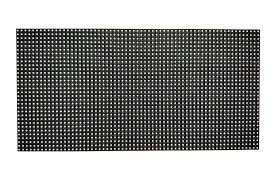
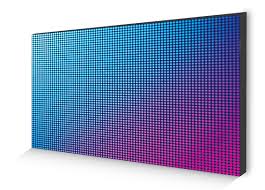
Pixel pitch, measured in millimeters, defines the distance from the center of one LED cluster (pixel) to the next. Smaller pixel pitches mean denser arrangements of LEDs per square meter, directly correlating to higher resolution and finer image details. For instance, a 1.2mm pixel pitch LED display can render content at over 800,000 pixels per square meter, providing near-retina display quality at typical viewing distances.
Unlike traditional LCD or projection screens, small pixel pitch LEDs offer self-emissive technology, wherein each LED emits its own light. This results in exceptional contrast ratios often exceeding 3000:1, superior color accuracy, and vivid saturation. Their high refresh rates—commonly at 3840Hz or more—prevent flickering, essential for high-definition video capture and broadcasting.
Technical Parameters and Standards
The latest generation of small pixel pitch LED displays utilizes SMD (Surface Mounted Device) LED packages, often in 3-in-1 configurations, integrating red, green, and blue diodes within a single pixel unit. This configuration ensures seamless color blending and uniform brightness. Industry-standard specifications such as:
- Pixel Pitch: 0.9mm to 2.5mm
- Brightness: 800 to 1500 nits (adjustable)
- Refresh Rate: ≥3840 Hz
- Viewing Angle: Up to 160° horizontal and vertical
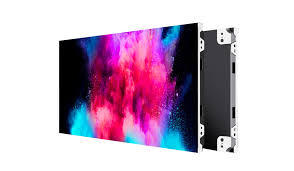
- Contrast Ratio: 3000:1 or higher
- Lifetime: 100,000 hours (typical)
are commonly observed in commercial offerings, conforming to international quality standards such as the IEC 62368 and RoHS compliance ensuring safety and environmental friendliness.
Applications Driving Demand
In control and command centers, small pixel pitch LED walls provide operators with critical, highly detailed visuals necessary for real-time decision-making. Their ability to maintain image fidelity even from close distances makes them suitable for meeting rooms and conference halls where viewers are seated nearby.
Broadcast studios employ these displays as virtual sets or background screens because of their vibrant colors and flicker-free performance, vital for on-camera quality. Additionally, the retail and advertising sectors harness them for digital signage where captivating high-resolution content drives customer engagement.
Challenges and Future Trends
Despite their advantages, small pixel pitch LED displays can be more expensive due to the complexity of manufacturing and the density of LEDs. Thermal management is another critical concern; dense LED arrays generate significant heat which must be efficiently dissipated to maintain reliability. Fabricators implement advanced cooling solutions such as aluminum heat sinks and active cooling fans to ensure longevity.
Emerging trends include the integration of AI-driven calibration systems that optimize color and brightness dynamically, ensuring consistent quality across various usage scenarios. Moreover, flexible and transparent LED panels with small pixel pitches are gaining traction, opening new possibilities in architecture and product design.
Conclusion
Small pixel pitch LED displays represent the pinnacle of visual technology, merging the benefits of high resolution, brightness, and reliability into a scalable platform. Their continued innovation aligns perfectly with the increasing demand for immersive and precise visual experiences in professional, commercial, and public spaces. Industry standards and quality certifications guarantee that these high-performance displays meet rigorous operational expectations, making them a trustworthy choice for forward-thinking enterprises.
As the technology matures, expect smaller pixel pitches and enhanced features to become more accessible, further pushing the boundaries of visual clarity and interactivity worldwide.













