

Elevator Digital Signage System: Enhancing Communication and User Experience in Vertical Transportation
Elevator digital signage systems have rapidly become an integral component of modern building infrastructure, transforming the traditional elevator experience into a dynamic communication platform. These systems leverage advanced LED and LCD display technologies to deliver real-time information, advertisements, emergency alerts, and interactive content directly within the confined space of an elevator cabin. As buildings grow smarter and user expectations increase, elevator digital signage offers a unique opportunity to integrate vertical transportation with effective digital communication.
Technical Overview and Components
An elevator digital signage system typically comprises several key components:
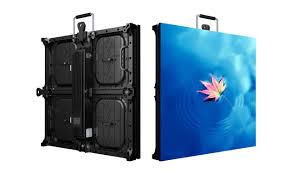
1. Display Panel: High-resolution LED or LCD screens are installed inside the elevator cabin. Common screen sizes range from 15 to 32 inches, optimized for clear visibility within limited space. For best results, 1080p full HD resolution (1920x1080 pixels) ensures sharp text and vibrant images. Some systems utilize OLED displays for enhanced contrast and energy efficiency.
2. Control Unit: This is the core processing unit that manages content scheduling, playback, and integration with building management systems. It often supports remote cloud-based management to update content dynamically, which is critical for delivering timely information.
3. Connectivity Modules: Wi-Fi, Ethernet, or 4G/5G modules provide stable data connections to enable remote content updates and interactive applications.
4. Power Supply & Mounting Hardware: Given the constrained environment of elevators, reliable and compact power solutions with surge protection ensure uninterrupted operation. Mounting brackets and protective enclosures safeguard the display from vibrations and environmental factors.
Applications and Benefits
Elevator digital signage serves diverse purposes across commercial, residential, and public buildings:
- Dynamic Advertising: According to a 2023 study by the Digital Signage Federation, elevator digital signage can generate up to a 30% higher engagement rate than static signs, leveraging captive audiences during elevator rides. Advertisers can tailor content based on location demographics, time of day, or special events.
- Real-Time Information Delivery: Provides occupants with weather updates, news headlines, building announcements, and transport schedules, improving engagement and satisfaction.
- Emergency Communication: In emergencies such as fire alarms or power outages, digital signage systems automatically switch to critical alerts, guiding passengers safely. Integration with fire detection and building evacuation systems are governed by standards like EN 81-28 for elevator emergency communications.
- Wayfinding and Service Updates: Displays can show floor directories, service interruptions, or elevator maintenance schedules, helping reduce complaints and improve building management efficiency.
Industry Standards and Best Practices
Installing elevator digital signage requires adherence to safety and performance standards. Key considerations include:
- Compliance with EN81-28 (European standard for emergency communications in elevators) ensures the display system integrates with safety protocols.
- IEC 61508 Functional Safety standards guide electronic reliability to avoid display failures during critical moments.
- Display screen luminance between 300-500 cd/m² is recommended for visibility under varying light conditions inside elevator cabins.
- Content refresh rates should be optimized (usually 60Hz or higher) to avoid flicker and ensure smooth visuals, crucial for user comfort.
Design Considerations
Adopting an effective elevator digital signage system involves balancing technical capability with user experience:
- Screen Placement: Position the display at eye level and ensure it doesn’t obstruct passenger movement or violate ADA (Americans with Disabilities Act) clearances. Optimal viewing distance is typically 3-5 feet.
- Content Strategy: Use concise, easily digestible content with legible fonts (minimum 18pt). Avoid overly bright or flashing visuals that may cause discomfort in the confined space.
- Power Efficiency: Utilize LED backlit LCD displays or OLED panels to minimize power consumption, crucial in buildings with sustainability goals.
- Maintenance: Remote diagnostics and cloud management reduce onsite servicing, lowering operational costs and downtime.
Case Study: Enhancing Office Building Communication
A landmark office tower in Singapore recently integrated a comprehensive elevator digital signage solution featuring 27-inch 1080p LED displays across its 20 elevators. The system remote-updated content to show live news, company notices, and emergency alerts. Post-installation analytics demonstrated a 40% increase in tenant engagement with marketing promotions and a noticeable reduction in elevator-related complaints.
Future Trends
The evolution of elevator digital signage continues to innovate with artificial intelligence (AI) for personalized content, facial recognition integration (while respecting privacy), and augmented reality overlays. Furthermore, with the advent of 5G, ultra-low latency connections will enable smoother interactive experiences, transforming elevator cabins from mere transit spaces into valuable digital touchpoints.
Conclusion
Elevator digital signage systems represent a sophisticated fusion of technology, safety standards, and strategic communication that significantly elevate user experience within vertical transportation. By carefully selecting the right hardware, adhering to industry standards, and employing effective content strategies, building owners can leverage these systems to enhance communication, boost engagement, and contribute to smart building ecosystems.













