

LED Taxi Technology Revolutionizing Urban Transportation Displays
In the rapidly evolving landscape of urban transportation, LED taxi displays have emerged as a pivotal innovation enhancing both passenger experience and operational efficiency. Leveraging advanced LED technology, modern taxis utilize dynamic, high-visibility digital signage to communicate real-time information, advertisements, and service status, setting new industry standards globally.
Understanding LED Taxi Displays
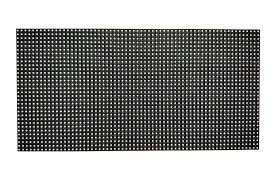
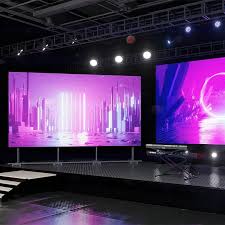
LED (Light Emitting Diode) technology is widely recognized for its energy efficiency, durability, and superior brightness compared to traditional display methods. For taxis, LED displays serve as crucial interfaces, installed typically on the roof or sides of vehicles. These displays provide essential information such as availability, fare rates, and promotional content, greatly improving passenger communication and city advertising dynamics.
Technical Parameters and Specifications
A typical LED taxi display unit employs SMD (Surface-Mount Device) LEDs, known for their compact size and high luminous intensity. Key technical parameters include:
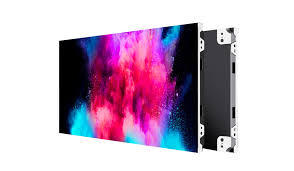
- Pixel Pitch: Ranges from 4mm to 10mm in most applications. A smaller pixel pitch means higher resolution and clearer images, ideal for close urban viewing distances.
- Brightness: Between 5,000 to 8,000 nits, ensuring excellent visibility even under direct sunlight, conforming to international standards such as IEC 62471 for photo-biological safety.
- Refresh Rate: Minimum 1920Hz to eliminate flicker, critical for video clarity and reducing driver distraction.
- Viewing Angle: Wide viewing angles up to 140° horizontal and vertical to maximize visibility from various street positions.
- Power Consumption: Optimized through PWM (Pulse Width Modulation) dimming technology to balance brightness with energy efficiency, crucial for vehicle battery management.
Integration with Smart Taxi Systems
Advanced LED taxi displays integrate seamlessly with GPS and IoT platforms. These allow automatic updating of route information, real-time traffic updates, and electronic fare changes. For instance, case studies from cities like Singapore and London demonstrate that such integration not only improves passenger safety but also supports regulatory compliance and dynamic pricing models.
Advertising and Revenue Generation
LED taxi displays serve as dynamic advertising platforms in busy urban areas. Compared to static media, LED signage enables targeted, time-sensitive promotions, increasing advertiser ROI significantly. According to a study by the Outdoor Advertising Association of America (OAAA), digital taxi ads have shown engagement rates 3x higher than conventional taxi wraps.
Durability and Maintenance
Operating in demanding outdoor environments, LED taxi displays feature ruggedized enclosures with IP65 ingress protection, ensuring resistance against rain, dust, and road vibrations. Modular design facilitates quick maintenance and uptime, aligning with ISO 9001 quality management standards frequently adopted by leading manufacturers.
Future Trends and Innovations
Emerging trends include the adoption of Micro-LED technology, promising even higher brightness and energy efficiency at smaller pixel pitches. Additionally, integration with AI-powered analytics enables personalized advertising and optimized route management. There is also growing experimentation with flexible LED panels adjusting to vehicle contours, opening new design possibilities.
Conclusion
LED taxi displays represent a transformative force in urban transportation, embodying cutting-edge LED technology, enhanced operational transparency, and innovative advertising solutions. For cities aiming to modernize their public transport systems, investing in LED taxi infrastructure offers substantial benefits in passenger satisfaction, regulatory compliance, and additional revenue streams. As global standards evolve and technology improves, the adoption of LED taxi displays will undoubtedly become a hallmark of smart, efficient urban mobility.
References:
- IEC 62471 – Photobiological safety of lamps and lamp systems.
- ISO 9001 – Quality Management Systems.
- Outdoor Advertising Association of America (OAAA) reports.
- Case studies: Singapore Land Transport Authority, Transport for London.
- Technical datasheets from leading LED manufacturers like Cree and Samsung Display.













