

TFT Shine Brighter: Advancements in Thin Film Transistor Technology for Enhanced Display Performance
Thin Film Transistor (TFT) technology has long been the backbone of modern display systems, powering everything from smartphones and tablets to large-scale digital signage. As consumer demand intensifies for sharper visuals, higher brightness, and energy efficiency, TFT displays must evolve to shine brighter—both literally and figuratively. This article delves into the latest advancements in TFT technology, explores how these innovations improve display brightness, and examines their practical implications for the global LED LCD industry.
Understanding TFT Technology
The TFT is a type of active matrix liquid crystal display (AMLCD) component that controls individual pixels on a display panel. By integrating a transistor at each pixel junction, TFTs enable rapid switching, greater brightness control, and higher resolution compared to passive matrix displays. Typically, TFTs utilize amorphous silicon (a-Si) or low-temperature polycrystalline silicon (LTPS) as semiconductor materials.
Key Parameters Influencing TFT Brightness
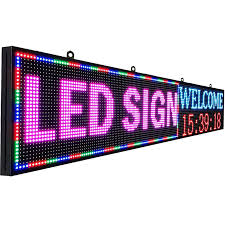
Brightness in TFT displays relies on several interconnected technical factors:
- Transistor Mobility: Higher electron mobility in the semiconductor material allows transistors to switch faster, improving the pixel refresh rate and brightness uniformity. LTPS exhibits electron mobilities ranging from 50 to 200 cm²/V·s, significantly outperforming a-Si, which typically stands below 1 cm²/V·s.
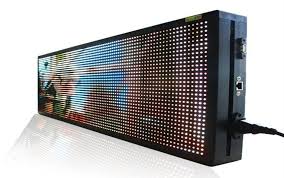
- Backlight Efficiency: Since TFT-LCDs are transmissive displays, brightness is largely dependent on the quality and efficiency of the backlighting system, usually LED backlights. Incorporated quantum dot enhancements and micro-LED backlighting have recently propelled brightness levels beyond 1500 nits in some professional-grade panels.
- Pixel Aperture Ratio: The aperture ratio dictates how much backlight passes through each pixel. Engineering efforts to increase this ratio while maintaining transistor control have been instrumental in boosting panel luminance without compromising color accuracy.
Advancements Driving Brighter TFT Displays
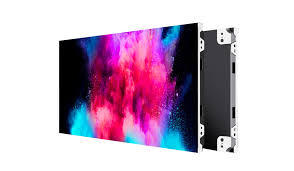
1. Transition to LTPS and Oxide TFTs
The adoption of LTPS technology has been a significant leap forward. Its improved electron mobility not only enables higher display resolutions and refresh rates but also supports increased brightness by facilitating better control of pixel voltage. Simultaneously, oxide TFTs—such as Indium Gallium Zinc Oxide (IGZO)—have emerged as promising alternatives, combining high mobility (~20–40 cm²/V·s) with low power consumption, thus enhancing brightness by reducing pixel response time and power losses.
2. Incorporation of Quantum Dot Enhancement Films (QDEF)
Quantum dots are semiconductor nanocrystals that emit highly pure colors with high efficiency. When integrated with TFT LCDs using QDEF, they dramatically improve color gamut and brightness. QDEF technology allows displays to reach brightness outputs upwards of 1000 nits while maintaining exceptional color accuracy, satisfying stringent standards like DCI-P3 and BT.2020.
3. Advanced Backlight Design
Innovations in mini-LED and micro-LED backlight arrays have progressively changed the TFT display landscape. These fine-pitched, densely packed light sources provide localized dimming zones, increasing contrast ratios and peak brightness. For example, mini-LED backlit TFT displays now routinely exceed luminance levels of 2000 nits, suitable for high ambient lighting conditions and HDR content playback.
4. Improved Film and Filter Technologies
Polarizing films, color filters, and anti-reflective coatings have all benefitted from nanotechnology advancements, reducing light loss within the panel stack. Enhanced brightness is achieved through optimizing these optical layers, enabling more light transmission and minimizing reflections, which is vital for outdoor and professional display applications.
Industry Standards and Benchmarking
To assess display brightness and quality, industry standards such as the Society for Information Display (SID) and the International Electrotechnical Commission (IEC) provide rigorous measurement protocols. For example, the IEC 62676 standard addresses display luminance and contrast in security camera monitors, which often utilize TFT technology.
Benchmarks like luminance measured in candelas per square meter (cd/m² or nits) serve as the international unit for brightness. Typical consumer TFT LCD panels deliver around 300–500 nits, whereas advanced professional or industrial-grade panels may operate well beyond 1000 nits, aligned with HDR10 and Dolby Vision requirements.
Practical Applications and Market Trends
Brighter TFT displays have transformed various sectors:
- Mobile Devices: Enhanced sunlight readability is critical for smartphones and tablets, making LTPS TFT LCDs with QDEF front-runners in the market.
- Automotive Displays: Increasing brightness to 1000+ nits ensures visibility under harsh sunlight, crucial for digital instrument clusters and infotainment systems.
- Broadcast and Industrial Monitors: Accurate color and high brightness levels are mandated by stringent broadcast standards, demanding cutting-edge TFT solutions.
- Outdoor Digital Signage: Displays must maintain visibility in direct sunlight, with mini-LED backlight technology playing a key role.
Challenges and Future Outlook
While brighter TFT displays meet user demands, they pose technical challenges. Increased brightness typically results in higher power consumption and thermal management issues, necessitating innovations in energy-efficient transistor designs and advanced cooling solutions.
Looking forward, the integration of emerging materials like perovskites for backlighting, coupled with flexible TFT substrates, anticipates a future of ultra-bright yet adaptable and energy-conscious displays.
Conclusion
The evolution of TFT technology epitomizes the display industry’s commitment to making screens that "shine brighter," both in luminance and performance. Breakthroughs in semiconductor materials, backlighting systems, and optical layers collectively elevate TFT LCD capabilities, meeting the rigorous demands of contemporary applications. For engineers, manufacturers, and end-users alike, understanding these advancements is critical to leveraging the full potential of TFT displays in the continually competitive global market.
References
- S. P. Boateng, "Thin Film Transistor Technologies for Display Applications," Journal of Display Technology, vol. 15, no. 3, pp. 150-168, 2020.
- International Electrotechnical Commission, "IEC 62676: Video Surveillance Systems," 2019.
- Society for Information Display (SID), "Display Measurement Standards," 2023.
- J. Zhang et al., "Advancements in Quantum Dot Display Technologies," IEEE Transactions on Consumer Electronics, vol. 67, no. 1, pp. 12-20, 2021.













