

Advanced Technologies and Best Practices in LED Display Manufacturing: An Engineer’s Insight
The LED display industry has witnessed remarkable advances over the past decade, driven by innovations in semiconductor technology, material science, and manufacturing processes. As a professional LED display engineer with extensive experience in LED and LCD screen manufacturing, I aim to provide an authoritative overview of key technologies, technical parameters, and best practices that define modern LED display production, ensuring high-quality, reliable, and efficient display solutions.
Introduction
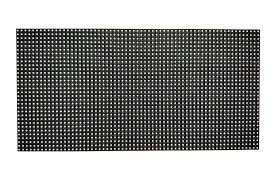
LED displays have become ubiquitous in advertising, public information, entertainment, and industrial applications due to their exceptional brightness, energy efficiency, and durability. The global LED display market is projected to grow significantly, fueled by demand for ultra-high-resolution panels, flexible displays, and large-format video walls. Understanding the intricacies of LED manufacturing—from chip selection to assembly and quality control—is critical for producing displays that meet stringent industry standards like IEC 62471 (Photobiological safety of lamps and lamp systems) and UL certification requirements.
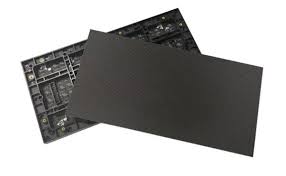
Main Body
1. LED Chip and Material Selection
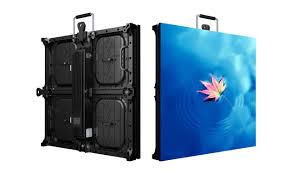
The foundation of LED display quality begins with the LED chip. Modern displays predominantly use gallium nitride (GaN) based LEDs due to their superior luminous efficacy and long lifespan. Parameters like luminous intensity, color wavelength uniformity, and thermal resistance are crucial. Typically, LEDs with peak wavelengths of 620-630 nm (red), 520-530 nm (green), and 450-460 nm (blue) are used in RGB configurations to achieve broad color gamut conforming to Rec. 709 or DCI-P3 standards.
Optimizing phosphor coating and resin encapsulation enhances color stability and viewing angles. High-quality chips also exhibit low forward voltage variation (typically ±0.02 V) to ensure uniform brightness and color across the display panel.
2. Precision Manufacturing Processes
Manufacturing state-of-the-art LED displays requires meticulous assembly techniques:
- Surface Mount Technology (SMT): Precise automated placement machines position LEDs on the printed circuit board (PCB) with ±10 micrometer accuracy, essential for high pixel density displays (e.g., 4K resolution at sub-1.5 mm pixel pitch).
- Soldering and Thermal Management: Reflow soldering under controlled thermal profiles prevents damage to sensitive components. Effective thermal management through heat sinks and thermally conductive substrates (Aluminum or copper-based PCBs) maintains junction temperatures below 85°C, markedly extending LED lifespan.
- Encapsulation and Lens Design: Advanced molding techniques create lenses or diffusers that optimize light distribution, improving brightness uniformity and reducing glare. Engineers consider parameters like beam angle (typically 120° to 140°) to match application needs.
3. Quality Control and Testing
Stringent quality assurance protocols ensure performance and reliability:
- Optical Testing: Using spectroradiometers and goniophotometers, engineers verify color accuracy, luminance (typically ranging from 800 to 1500 nits for indoor LED displays, up to 6000 nits or more for outdoor applications), contrast ratio, and uniformity.
- Electrical Testing: Forward voltage, current consumption, and electrostatic discharge (ESD) resistance tests guarantee operational stability and safety compliance.
- Environmental Stress Testing: Displays undergo thermal cycling, humidity exposure, and vibration tests to confirm durability under varying environmental conditions.
4. Emerging Trends and Innovations
Recent advancements include micro-LED and mini-LED technologies, offering enhanced brightness, improved contrast ratios (exceeding 5000:1), and smaller pixel pitches below 1 mm. Flexible and transparent LED displays open new horizons in automotive heads-up displays and wearable devices.
Furthermore, integration of AI-driven calibration systems enables real-time adjustment of brightness and color, optimizing energy consumption and visual performance dynamically.
Conclusion
Manufacturing premium LED displays demands deep expertise in semiconductor technology, precision engineering, and rigorous quality assurance aligned with global standards. By leveraging advances in chip materials, assembly techniques, and testing methodologies, engineers can deliver versatile displays with superior visual fidelity, durability, and energy efficiency. Staying abreast of innovations such as micro-LEDs and AI calibration ensures the continued evolution of LED displays to meet diverse and demanding applications worldwide.
As the industry expands, collaboration between material scientists, engineers, and manufacturers remains pivotal to pushing the frontiers of display technology, enhancing user experience, and creating sustainable solutions.
References:
- IEC 62471: Photobiological safety of lamps and lamp systems, International Electrotechnical Commission.
- "LED Display Market - Global Forecast to 2030," MarketsandMarkets, 2022.
- J. Shieh et al., "High-Efficiency GaN LEDs for Display Applications," Journal of Display Technology, vol. 14, no. 4, 2018.
- UL Standard 8750 for LED equipment safety.













