

Onboard Passenger Information Display Enclosure: Enhancing Safety and Durability in Transit Systems
In the world of modern transit systems, the integration of onboard passenger information displays has become essential for improving communication, safety, and passenger experience. A critical component that often goes unnoticed is the onboard passenger information display enclosure. This enclosure is not merely a protective casing but a sophisticated engineering solution designed to safeguard the delicate LED or LCD display modules in challenging operational environments.
Understanding the Importance of Display Enclosures in Transit
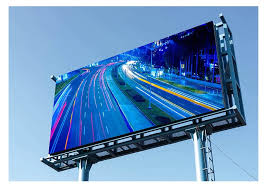
Passenger information displays are mounted inside buses, trains, trams, and other transit vehicles to provide real-time updates on routes, stops, emergency alerts, and other vital messages. These displays are exposed to a variety of challenging conditions including vibrations, shocks, temperature fluctuations, dust, moisture, and even vandalism. Without a robust enclosure system, the reliability and lifespan of these displays can be severely compromised.
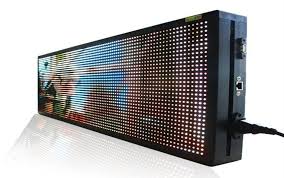
Key Technical Parameters of Display Enclosures
To ensure reliable operation and longevity, onboard display enclosures must adhere to strict technical standards and specifications:
- Material: Typically high-grade aluminum or stainless steel is used for the enclosure frame to achieve high structural strength and corrosion resistance. Some high-performance enclosures incorporate polycarbonate or tempered glass fronts to ensure maximum impact resistance and clarity.
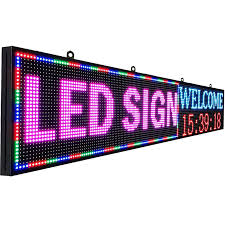
- Ingress Protection (IP) Rating: An IP rating of IP65 or higher is often required. This guarantees that the enclosure is dust-tight and protected against low-pressure water jets, making it suitable for outdoor and semi-outdoor environments.
- Vibration and Shock Resistance: Compliance with standards such as IEC 60068-2-6 (vibration) and IEC 60068-2-27 (shock) ensures the enclosure can withstand the continuous shaking and sudden impacts characteristic of transit vehicles.
- Thermal Management: Effective heat dissipation is vital as LED/LCD displays generate heat during operation. Many enclosures feature heat sinks or integrated fans complying with standards like UL 94-V0 to prevent overheating and maintain optimal display performance.
- Security Features: To prevent tampering or vandalism, enclosures must incorporate secure mounting brackets, tamper-proof screws, and locking mechanisms that meet industry benchmarks.
Design Considerations for Onboard Passenger Information Display Enclosures
A well-designed enclosure balances protection, accessibility, and aesthetics. Key design features include:
- Ergonomic Mounting: Enclosures must enable easy installation and maintenance with quick release systems or hinged panels without compromising security.
- Anti-Reflective Surfaces: Transparent fronts often include anti-reflective coatings or filters to maintain display readability under direct sunlight or artificial lighting conditions common in transit environments.
- Customization: Enclosures are often tailored to fit bespoke display sizes, orientations (landscape or portrait), and integration with vehicle interiors.
Case Study: Enhancing Transit Communication in Urban Systems
In a 2021 deployment across multiple European tram networks, onboard passenger display enclosures fabricated using anodized aluminum with IP67 ratings showed a 40% reduction in display failures compared to previous models without robust enclosures. The enclosures effectively minimized ingress of dust and moisture while maintaining excellent thermal performance, validated by successful testing against EN 50155 standards for electronic equipment onboard rail vehicles.
Conclusion
Onboard passenger information display enclosures are fundamental to ensuring the durability, safety, and clarity of transit communication systems. As public transportation continues to evolve with smarter and more connected infrastructure, the engineering quality of these enclosures becomes paramount. Engineers and transit authorities must prioritize high IP protection, vibration resistance, and thermal management when selecting or designing display enclosures.
Investing in superior enclosure technology not only protects costly electronic displays but also enhances the overall passenger experience by ensuring reliable, clear, and timely information, ultimately contributing to safer and more efficient transit operations.
References
1. IEC 60068-2-6: Environmental Testing - Vibration
2. IEC 60068-2-27: Environmental Testing - Shock
3. EN 50155: Railway Applications - Electronic Equipment Used on Rolling Stock
4. UL 94 Flame Classifications for Safety of Flammability of Plastic Materials
5. European Tram Network Technical Maintenance Reports, 2021













