

Advanced LED LCD Screen Manufacturing: Applications, Advantages, and Emerging Trends
In the rapidly evolving field of display technologies, LED LCD screens have established themselves as a cornerstone, bridging superior image quality with cost-effective manufacturing. As a seasoned LED display engineer with extensive experience spanning over a decade in the industry, I aim to elucidate the intricate landscape of LED LCD screen manufacturing by focusing on practical applications, inherent advantages, prevalent challenges, and cutting-edge trends shaping the future.
Overview of LED LCD Screen Technology
LED LCD (Light Emitting Diode Liquid Crystal Display) screens fundamentally combine the backlighting capabilities of LED technology with the modulation properties of liquid crystals. Unlike traditional CCFL (Cold Cathode Fluorescent Lamp) backlit LCDs, LED backlit LCDs use arrays of diodes as a luminous backlight source, which enables thinner panels, higher energy efficiency, and superior color reproduction.
Technical Parameters and Manufacturing Insights
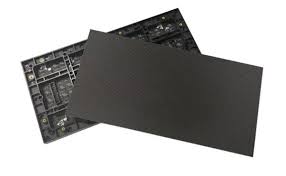
Industry standard LED LCD screens typically boast resolutions ranging from Full HD (1920x1080 pixels) to 4K UHD (3840x2160 pixels), with pixel densities varying between 100–300 PPI depending on size and application. The backlight unit (BLU) is a critical component, often designed with direct-lit or edge-lit configurations. Direct-lit LED LCDs incorporate LEDs placed behind the panel, offering improved local dimming and contrast ratios exceeding 4000:1, whereas edge-lit designs provide slimmer form factors albeit with trade-offs in brightness uniformity.
Modern manufacturing processes employ precision SMT (Surface Mount Technology) lines for LED placement, advanced COF (Chip on Film) bonding for thin bezels, and robotic assembly to ensure consistency and minimize defects. Adherence to industry standards such as IEC 62368 for safety and ISO 9001 for quality management ensures reliability and market acceptance.
Practical Applications
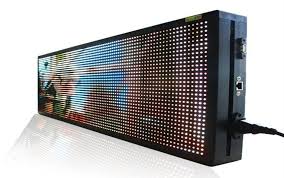
LED LCD technology powers a wide array of applications, from consumer electronics like smartphones and televisions to professional environments including medical imaging, digital signage, aerospace displays, and automotive infotainment systems. Its versatility lies in scalability for different sizes and cost brackets, making it indispensable in both high-end and mass-market products.
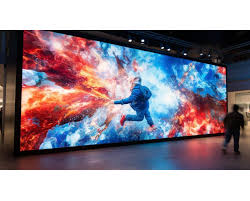
In digital signage, for instance, LED LCD displays offer high brightness levels (up to 1000 nits or higher) essential for readability in ambient light conditions. In automotive displays, fast response times (typically below 8 milliseconds) and high contrast ratios are critical to ensure driver safety and user experience.
Advantages
- Energy Efficiency: LEDs consume significantly less power than CCFL counterparts. According to ENERGY STAR guidelines, LED backlit displays can reduce energy consumption by up to 40%, contributing to sustainable product design.
- Slim Form Factor: The compact size of LEDs allows display panels to be slimmer and lighter, aiding in portable device design and modern aesthetics.
- Improved Color and Brightness: LED backlighting enables wider color gamut coverage (up to 90% NTSC in premium panels) and higher luminance, resulting in vibrant and accurate images.
- Longer Lifespan and Reliability: LEDs offer lifespans typically around 50,000 hours, greatly extending the functional usability of displays.
Common Challenges
Despite the evident benefits, several challenges confront manufacturers:
- Backlight Bleeding and Uniformity Issues: Especially in edge-lit configurations, achieving uniform luminance across the screen remains difficult, potentially causing ‘hot spots’ or uneven brightness.
- Thermal Management: LEDs generate heat that must be effectively dissipated to avoid color shift or premature component failure. Advanced heat sinks and thermal interface materials are vital.
- Cost Constraints: High-quality LEDs and precision manufacturing increase production costs. Balancing performance with price is a continuous engineering trade-off.
- Blue Light Emission: Prolonged exposure to blue light from LED LCD screens may cause eye strain, prompting research into low-blue light technologies and filters.
Emerging Trends
1. Mini-LED and Micro-LED Integration: Positioned as the next evolution, mini-LED technology packs thousands of tiny diodes to achieve exceptional local dimming and contrast, rivaling OLED performance. Micro-LEDs promise self-emissive properties but present manufacturing challenges in mass transfer and uniformity.
2. Quantum Dot Enhancement: Incorporating quantum dot layers (QLED technology) into LED LCDs extends color gamuts beyond 100% Rec. 2020, meeting demands for cinematic-quality displays.
3. AI-driven Manufacturing: Artificial intelligence and machine learning algorithms improve yield rates by detecting production anomalies in real-time during assembly and quality inspection.
4. Flexible and Transparent Displays: Research is underway to integrate LED and LCD technologies with flexible substrates for foldable devices and transparent display applications in automotive heads-up displays (HUDs) and retail windows.
Conclusion
LED LCD screen manufacturing remains a critical domain offering a blend of cost efficiency, high performance, and adaptability. Understanding the technical nuances, anticipating and solving common manufacturing challenges, and embracing emerging technologies are essential for stakeholders aiming to compete in this dynamic market.
Advancements in mini-LED, quantum dot integration, and AI-assisted production processes are progressively enhancing display quality and manufacturing efficiency. For engineers and manufacturers alike, staying abreast of these trends and aligning with international standards such as IEC 60598 (Lighting) and IEC 62368 (Safety) will be key to delivering durable, vibrant, and energy-efficient displays suited for diverse global applications.
By leveraging expertise, established standards, and innovative methods, the LED LCD display industry continues to thrive, setting the stage for future breakthroughs in visual technology.













