

Advances and Best Practices in LED Display Manufacturing for Optimal Performance
In the rapidly evolving field of display technology, LED screens have emerged as the benchmark for high-quality visual performance in various applications ranging from outdoor advertising to indoor event production. The manufacturing of LED displays involves complex processes and stringent quality control measures to meet the increasing demands for brightness, color accuracy, durability, and energy efficiency. This article delves into the technical parameters, industry standards, and best practices critical to producing reliable, high-performance LED displays.
Key Technical Parameters in LED Display Manufacturing
To ensure optimal visual output and longevity, several technical specifications must be optimized during the manufacturing process:
1. Pixel Pitch and Resolution: Pixel pitch, the distance between adjacent LED pixels, directly affects display resolution and viewing distance. Typical ranges include 0.9mm to 20mm for indoor and outdoor applications. For example, an indoor conference room LED screen with a 1.2mm pitch offers exceptional clarity up to viewing distances of 3 meters, while larger outdoor displays may use pitches above 10mm.
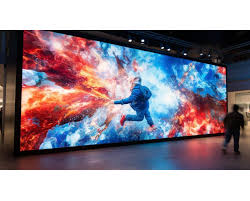
2. Brightness and Contrast Ratio: Outdoor LED displays require significantly higher brightness to remain visible under direct sunlight, typically between 5,000 to 8,000 nits. Indoor displays operate efficiently at 800 to 1,200 nits. The contrast ratio, which can exceed 3,000:1 for high-end models, determines depth and image sharpness.
3. Color Accuracy and Refresh Rate: High color fidelity is vital, achieved through precise LED binning and advanced calibration systems adhering to the Rec. 709 or Rec. 2020 color standards. Refresh rates above 3,840 Hz are indispensable for broadcast-quality applications to avoid flicker on camera.
4. Ingress Protection and Durability: Outdoor LED displays need IP65 or higher ratings for dust and water resistance, combined with corrosion-resistant aluminum cabinets for longevity in harsh environments. Thermal management through heatsinks and ventilation prevents overheating and ensures stable operation.
Industry Standards and Certification
Manufacturers adhere to strict standards to guarantee product safety and performance:
- IEC 62087: Defines methods for measuring power consumption and luminance.
- UL Certification: Assures electrical safety compliance in North America.
- RoHS Directives: Restricts hazardous substances to reduce environmental impact.
- ISO 9001 Quality Management: Ensures manufacturing consistency and traceability.
Adhering to these protocols not only elevates product credibility but also facilitates entry into global markets.
Best Practices in LED Display Production
Experience from top-tier manufacturers emphasizes several crucial steps:
- Component Selection and Supplier Vetting: Using LEDs with uniform chromaticity and brightness ensures minimal color shift. Reliable IC drivers with integrated error detection guarantee stable operation.
- Precision SMT and Module Assembly: Automated surface-mount technology combined with stringent optical inspection detects defects such as dead pixels and soldering flaws early in the production cycle.
- Calibration and Testing: Post-assembly calibration using specialized photometric equipment ensures uniform brightness and color across the display panel. Environmental stress tests simulate temperature and humidity extremes to verify durability.
- Modular Design for Maintenance: Designing displays in easily replaceable modules reduces downtime and maintenance costs, a practice widely adopted in large-scale installations like stadiums.
Case Study: Enhancing Visibility with High-Brightness LED Displays
A global outdoor advertising company replaced traditional billboard screens with LED panels incorporating 8,500 nits brightness and an IP67 enclosure. After implementation, client feedback reported a 40% increase in viewer engagement attributed to superior daylight visibility and vivid imagery. This case highlights the tangible benefits of aligning manufacturing processes closely with end-use conditions.
Future Perspectives
Emerging trends in micro-LED and mini-LED technologies promise even finer pitch and improved energy efficiency. Advances in AI-driven calibration and predictive maintenance are expected to further enhance display longevity and reduce operational costs.
In conclusion, LED display manufacturing is a highly specialized process demanding expertise in electrical engineering, materials science, and quality assurance. Adherence to international standards, precision in component selection, and meticulous assembly practices are paramount for producing displays that perform reliably across diverse conditions. As technology evolves, continuous innovation will drive the capabilities of LED displays to new heights, making them indispensable in modern visual communication.













