

Advanced Technologies and Industry Standards in LED Display Manufacturing for Enhanced Performance and Longevity
The realm of LED display manufacturing has undergone significant evolution over the past decade, driven by technological advancements, stringent industry standards, and growing demand across various sectors including advertising, broadcasting, transportation, and entertainment. As a professional LED display engineer with extensive experience in the field, this article delves into the critical aspects of LED display manufacturing—focusing on the latest technologies, manufacturing processes, material selections, quality control methodologies, and industry standards—to provide a comprehensive guide for manufacturers, system integrators, and end-users aiming to maximize display performance, reliability, and service life.
1. Introduction to LED Display Manufacturing
Light Emitting Diode (LED) displays utilize semiconductor diodes that emit light when electric current passes through them. Unlike traditional LCDs, LED displays offer superior brightness, contrast, and energy efficiency. Modern manufacturing of LED displays involves numerous sub-processes, including LED chip fabrication, module assembly, driver electronics integration, and final cabinet production. Each stage is critical to ensure optimal performance parameters such as refresh rate, pixel pitch, luminosity, color accuracy, and uniformity.
2. Key Technological Components
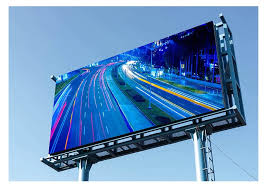
- LED Chips and Packaging: The LED chip forms the fundamental light source. Currently, GaN (Gallium Nitride)-based blue and green LEDs and AlGaInP (Aluminum Gallium Indium Phosphide)-based red LEDs dominate high-brightness display production. Chip packaging technique—such as surface-mount technology (SMT) and flip-chip methods—affects thermal management and light extraction efficiency.
- Pixel Pitch and Resolution: Pixel pitch, typically measured in millimeters, defines the spacing between adjacent LED pixels and dictates resolution and viewing distance. For example, P1.2 (1.2mm pixel pitch) is popular for indoor high-definition applications, while P10 or higher serves outdoor billboard usage.
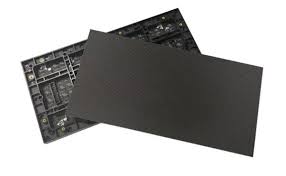
- Driver IC and Control Systems: LED driving ICs (Integrated Circuits) like the MBI series by Macroblock and ICs from Texas Instruments enable high refresh rates (often above 3840 Hz) reducing flicker and improving image stability crucial for broadcast applications. Synchronization protocols and FPGA (Field Programmable Gate Array) control further enhance reliability.
- Cabinet Design and Structural Materials: High-grade aluminums with anodized finishes provide excellent heat dissipation and structural rigidity. The mechanical design must facilitate modularity for ease of maintenance and scalability.
3. Manufacturing Processes and Quality Assurance
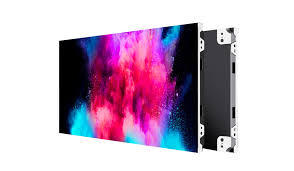
- Screen Printing and Soldering: LED chips are precisely placed on PCBs using automated pick-and-place machines. Solder paste printing followed by reflow soldering ensures solid electrical and mechanical connections.
- Automated Optical Inspection (AOI): Post-assembly AOI systems detect misaligned LEDs, dead pixels, or soldering defects, crucial for upholding zero-defect standards.
- Color Calibration and Gamma Correction: Uniformity in color and brightness across the panel is achieved through hardware calibration and software algorithms compliant with ITU-R BT.709 and sRGB standards.
- Environmental and Stress Testing: Accelerated aging tests involving temperature cycling (-20°C to +60°C), humidity exposure (up to 85% RH), and vibration testing validate product reliability per IEC 62368-1 safety regulations.
4. Industry Standards and Certifications
Adhering to recognized international standards is imperative:
- IEC 60598 for luminaires ensures electrical safety requirements.
- RoHS (Restriction of Hazardous Substances) compliance ensures environmental friendliness concerning chemical substances.
- IP ratings (Ingress Protection) such as IP65 for outdoor modules certify resistance to dust and water intrusion.
- UL certification guarantees compliance with US safety standards.
Combined, these standards assure product acceptance in global markets and longevity under diverse environmental conditions.
5. Case Studies and Practical Applications
- High-Resolution Indoor Installations: Stadiums and concert halls deploy fine-pitch LED panels (P1.2~P2.5) to display vivid, flicker-free content visible from close distances. Careful thermal design and high refresh rates fulfill dynamic content needs.
- Outdoor Signage: Utilizing SMD 3-in-1 LEDs with weather-sealed cabinets ensures high brightness (up to 7,500 nits) and lifespan exceeding 100,000 hours with minimal maintenance.
- Transportation and Airport Displays: Integration of specialized driver ICs enables real-time information display with enhanced visibility in varying lighting conditions, meeting the EN 55022 emission standards.
6. Emerging Trends and Future Directions
- Micro-LED Technology: Offering ultra-high pixel density and improved energy efficiency, Micro-LEDs are poised to revolutionize next-generation displays though manufacturing complexity remains high.
- Artificial Intelligence-Based Calibration: Adaptive systems utilizing AI algorithms optimize panel brightness and color balance in real-time responding to ambient conditions.
- Sustainable Manufacturing Practices: Focus on eco-friendly materials, recyclability, and energy-efficient production processes align with global environmental directives.
7. Conclusion
The LED display manufacturing industry continues to balance technological innovation with quality assurance and compliance to deliver superior solutions across diverse applications. Mastery over chip selection, module assembly, calibration, and rigorous standard adherence define the competitiveness and durability of LED display products. As the technology evolves towards finer pixel pitches, enhanced image quality, and sustainable manufacturing, professionals in the field must stay updated with technological trends and compliance frameworks to uphold industry leadership.
References:
- International Electrotechnical Commission (IEC) Standards: iec.ch
- Macroblock LED Driver IC Product Information: macroblock.com
- Texas Instruments LED Driver Data Sheets: ti.com
- ITU-R BT.709 Recommendation for HDTV: itu.int
- RoHS Directive: echa.europa.eu/regulations/rohs
- UL Product Safety Certifications: ul.com













