

Waterproof Outdoor Digital Signage: Engineering Durability and Performance in Harsh Environments
In the expanding realm of digital communication, waterproof outdoor digital signage has become an indispensable tool for businesses, municipalities, and public venues aiming to deliver dynamic content in challenging environmental conditions. As an LED display engineer with extensive experience in the manufacture and deployment of outdoor digital signage, this article provides a comprehensive examination of the critical engineering considerations, material specifications, and industry standards that ensure durability, performance, and reliability in waterproof outdoor digital signage solutions.
Understanding the Need for Waterproof Outdoor Digital Signage
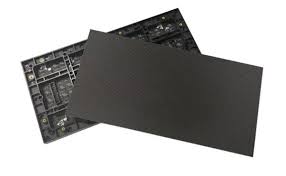
Outdoor digital signage operates in unpredictable and often harsh environments—exposure to rain, humidity, dust, temperature fluctuations, and even vandalism demands a robust design. Waterproofing is not merely a feature but a critical performance requirement. According to the International Electrotechnical Commission standard IEC 60529, the Ingress Protection (IP) rating is pivotal in assessing a device’s resistance to water and dust. For outdoor digital signage, IP65 and above are typically required to ensure complete protection from water jets and dust ingress.
Key Technical Parameters
1. Ingress Protection (IP) Rating:
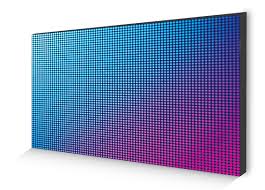
Most outdoor digital signage achieves IP65 to IP68 ratings, where:
- IP65 ensures protection against water jets from any direction
- IP66 increases resistance to powerful water jets
- IP67/IP68 guarantees protection against prolonged immersion, although this is less common for signage and more for critical electronic enclosures
Achieving these standards demands high-quality seals, gaskets, and manufacturing precision to prevent moisture entry without compromising heat dissipation.
2. Material Selection:
The cabinet housing is typically fabricated from powder-coated aluminum or stainless steel owing to their corrosion resistance and structural strength. Polycarbonate or tempered glass front panels protect the LED modules while maintaining optical clarity and ruggedness.
3. Thermal Management:
Outdoor environments expose digital signage to direct sunlight and ambient temperature ranges from -30°C to +50°C (or higher depending on geographic location). Efficient thermal design involving heat sinks, ventilation with waterproof membranes (breathers), and active cooling systems (e.g., fans with moisture barriers) are integral to sustain LED lifespan and performance. Industry experience demonstrates that maintaining operational temperatures below 60°C considerably extends diode longevity.
4. LED Module Specifications:
High-brightness SMD LEDs (Surface-Mounted Device) capable of 5,000 to 7,000 nits (cd/m²) are standard, ensuring visibility from direct sunlight and at various viewing angles. Pixel pitch varies based on viewing distance—common outdoor pitches range from 4mm to 10mm, balancing resolution and cost.
5. Control Systems & Connectivity:
Waterproof digital signage employs sealed connectors and IP-rated cable glands. Wireless control options (4G/5G, Wi-Fi) are favored for remote content management. Redundancy in power supplies and signal transmission prevents failures during critical operational periods.
Manufacturing Considerations and Quality Control
Achieving true waterproofing necessitates precision assembly under controlled environments. Adhesives and sealants are rigorously tested for UV resistance and elasticity. Industry case studies show that improper sealing can lead to internal condensation, causing short circuits and premature failure. Hence, advanced moisture sensors may be integrated within the enclosure to provide alerts for maintenance.
Applications and Case Studies
- Public Transportation: Municipal bus stops equipped with waterproof digital signage have improved passenger information dissemination under all weather conditions.
- Retail and Advertising: Outdoor advertising panels in tropical and coastal regions leverage IP65-rated enclosures coupled with sun-shields to maximize reliability and ROI.
- Industrial Sites: Digital signage used for safety notifications in remote sites withstand dust storms, chemical exposure, and high moisture environments by utilizing IP68 enclosures and anti-corrosive coatings.
One illustrative case involves a European city implementing over 500 units of IP67-rated waterproof digital signage that achieved a 40% reduction in maintenance calls over 3 years due to superior sealing technologies and rigorous quality assurance protocols.
Standards and Regulatory Compliance
Beyond IEC 60529, compliance with additional standards such as UL 50 (Enclosures for Electrical Equipment), NEMA 4X (protection against corrosion and water ingress), and EN 55032 (EMC requirements for multimedia equipment) is essential for international deployment. Strict adherence to these standards ensures operational safety, electromagnetic compatibility, and legal certification.
Future Trends
Emerging trends emphasize integration of smart sensors for environmental monitoring, modular designs for ease of repair, and environmentally friendly materials to enhance sustainability. Additionally, advancements in micro-LED technology promise higher brightness levels with reduced power consumption, which will push waterproof outdoor digital signage to new performance benchmarks.
Conclusion
Waterproof outdoor digital signage represents a fusion of advanced materials science, precision engineering, and thoughtful design to meet the demands of harsh environmental conditions. Achieving superior waterproofing and durability involves a multifaceted approach — from selecting appropriate IP ratings and corrosion-resistant materials to optimizing thermal management and complying with rigorous standards. Through meticulous design and manufacturing practices, these systems deliver reliable, high-impact communication that withstands nature’s toughest challenges, fulfilling the communication needs of industries worldwide.













