

Transparent Display for Car: Revolutionizing Automotive Interfaces with Advanced LED Technology
The integration of transparent displays into automotive design is transforming the driving experience, bringing futuristic interfaces and enhanced safety to modern vehicles. Transparent displays for cars leverage advanced LED and OLED technologies to create screens that allow information to be displayed vividly while maintaining see-through visibility. This technology is pivotal in next-generation vehicle dashboards, head-up displays (HUDs), and augmented reality (AR) integration, redefining how drivers interact with their environment.
Understanding Transparent Display Technology in Automotive Applications
Unlike traditional LED or LCD panels, transparent displays utilize materials and semiconductor designs that permit light transmission through the display substrate. There are two primary technologies dominating the transparent display industry for cars:
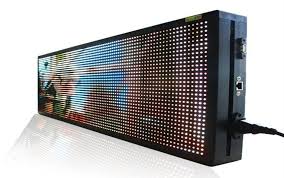
1. Transparent OLED (Organic Light Emitting Diode): OLEDs consist of organic layers sandwiched between electrodes, capable of emitting light when energized. Transparent OLEDs ensure up to 30%-70% light transmittance, making them ideal for in-car applications where visibility is paramount. They offer deep contrast ratios (up to 1,000,000:1) and a wide color gamut, providing brilliant, sharp images even in varying light conditions.
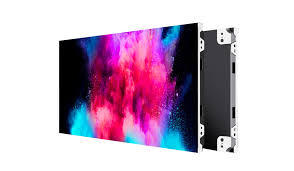
2. Transparent LED and Micro-LED Displays: Transparent LED displays use a lattice of micro-LEDs embedded within a transparent panel, achieving transmittance rates of around 40%-60%. Micro-LEDs, with their high brightness (often exceeding 1000 nits), durability, and low power consumption, are gaining traction for windshield displays and augmented reality overlays.
Key Technical Parameters
For automotive transparent displays, several technical factors are critical:
- Transparency Level: Ideally between 40%-70%, allowing sufficient light transmission for a natural view without compromising visible content.
- Brightness: Minimum 800 to 1500 nits to overcome direct sunlight and reflections at daytime.
- Resolution: HD (1920×1080 pixels) or higher for clear iconography and text readability.
- Response Time: Less than 10ms to ensure smooth animations and real-time data updates.
- Durability: Compliance with automotive standards like AEC-Q100 (for electronic reliability) and IP67 (for dust and water resistance).
- Viewing Angles: Wide viewing angles exceeding 170° to accommodate multiple viewing positions inside the vehicle.
Applications in Modern Vehicles
Transparent displays are not just technological marvels but offer practical advantages:
- Head-Up Displays (HUDs): Transparent displays projected onto windshields provide vital information such as speed, navigation cues, and hazard alerts without requiring drivers to look away from the road. Companies like Mercedes-Benz and BMW have integrated transparent OLED HUDs to improve driver safety and information accessibility.
- Augmented Reality Dashboards: Transparent screens enable augmented reality overlays that highlight road signs, pedestrian crossing zones, or lane boundaries, reinforcing situational awareness.
- Rearview Mirrors and Side Mirrors: Replacing traditional mirrors with transparent displays augmented with camera feeds reduces blind spots and improves aerodynamic efficiency.
Case Study: Transparent OLED Integration in Audi’s Virtual Cockpit
Audi's Virtual Cockpit employs high-resolution transparent OLED panels for dynamic instrument clusters. This system allows the integration of a transparent layer displaying speed, rpm, and navigation data seamlessly over the driver’s forward view. This increases safety by minimizing driver distraction and facilitating quicker information assimilation.
Challenges and Solutions
Despite the promising benefits, challenges remain in mass adoption:
- Cost: Transparent OLED and micro-LED manufacturing are currently costlier than conventional LCDs.
- Longevity: Organic materials in OLEDs can degrade quicker, although innovations in encapsulation and driving algorithms have significantly extended lifetime.
- Ambient Light Interference: Solar reflections on windshields can reduce display readability. To combat this, high-brightness panels coupled with anti-reflective coatings are implemented.
Industry Standards and Compliance
Ensuring reliability and safety, transparent automotive displays must comply with several international standards:
- ISO 26262: Functional safety for automotive electronics.
- SAE J2954: Wireless charging and electromagnetic compatibility influencing display electronics.
- ECE R46: Regulation on driver's field of vision, pertinent when integrating transparent HUDs or mirrors.
Future Trends
The future of transparent displays in cars points to higher integration with AI-powered interfaces, enabling features such as gesture control and personalized augmented reality experiences tailored to driver preferences. Advancements in Micro-LED technology promise even greater brightness, energy efficiency, and pixel densities, paving the way for truly invisible yet interactive car displays.
Furthermore, the advent of 5G and Vehicle-to-Everything (V2X) communication will allow transparent displays to provide real-time updates on traffic, weather, and hazard notifications directly within the driver’s field of vision.
Conclusion
Transparent displays are revolutionizing the automotive industry by blending digital information with the natural driving environment. Their ability to enhance driver awareness, safety, and interactivity without obstructing vision sets a new paradigm in vehicle interface design. With continuous innovation in LED and OLED technologies, coupled with adherence to stringent automotive standards, transparent displays are set to become ubiquitous in the smart vehicles of the future.
References:
- Society of Automotive Engineers (SAE) Standards: SAE J2954
- ISO 26262 - Road Vehicles Functional Safety
- Audi Virtual Cockpit Technical Whitepapers
- OLED Display Industry Reports – OLED-info.com
- Automotive Transparent Display Market Analysis, Yole Développement, 2023













