

Bright Frame Monitor Technology: Enhancing Visual Performance in LED Displays
In the realm of LED display technology, the bright frame monitor stands out as a crucial innovation designed to optimize visual performance and color accuracy. As global demand surges for high-quality digital signage, professional broadcasting, and industrial display solutions, understanding the intricacies of bright frame monitors becomes essential for engineers, designers, and end-users alike.
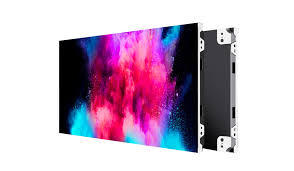
A bright frame monitor is essentially a specialized LED or LCD display featuring an enhanced brightness frame around the active display area. This design serves multiple purposes such as improving perceived contrast, minimizing bezel disturbance, and providing critical visual cues in multi-screen setups. The frame typically integrates high-luminance LEDs calibrated to deliver consistent illumination, which helps maintain uniformity and elevates the overall viewing experience.
Technical Parameters and Innovations
One primary technical parameter that defines bright frame monitors is luminance, measured in nits (cd/m²). Commercially available models commonly achieve brightness levels upwards of 800 nits, while premium solutions can reach 1500 nits or more, significantly outperforming standard monitors that generally remain below 500 nits. This extended brightness range ensures visibility in various ambient lighting conditions, including daylight environments and professional studios.
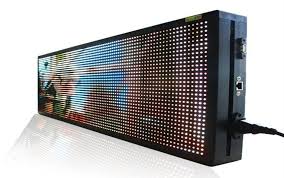
Another significant factor is the refresh rate and response time of the monitor. Typical bright frame monitors are engineered with refresh rates of 60Hz to 144Hz and response times under 5 milliseconds. These attributes are critical for dynamic content where motion clarity is paramount, such as live video production or interactive displays.
Color accuracy is another domain where bright frame monitors excel. Using extended color gamut LED backlighting and advanced calibration algorithms compliant with standards like Rec. 709 and DCI-P3, these monitors maintain color fidelity necessary for broadcast and color-critical workflows. Industry benchmarks such as the International Telecommunication Union (ITU-R) BT.1886 for gamma response and ISO 9241-307 for color measurement precision often guide manufacturing and calibration processes.
Practical Applications and Case Studies
In professional broadcast environments, bright frame monitors assist operators by providing visible edge markers around the active screen, allowing precise alignment and reducing misplacement errors during live productions. For example, the BBC has implemented bright frame technology in their OB (Outside Broadcast) vans, where rapid setup and adjustment under varying light conditions are routine.
In industrial and medical settings, enhanced frame brightness aids in monitoring critical data displayed on multi-screen arrays, improving usability and reducing operator fatigue. Hospitals utilize bright frame monitors in surgical theaters to ensure unparalleled clarity and differentiation of anatomical images in real-time.
Manufacturing Considerations
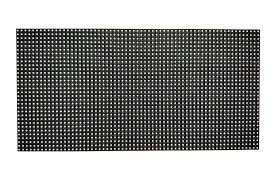
The production of bright frame monitors involves integrating high-quality LED modules with sophisticated driver circuits to control luminance dynamically. Key challenges include maintaining uniform brightness without hotspots, ensuring energy efficiency, and achieving durable performance over extended operational periods. Addressing these challenges requires adherence to rigorous testing standards such as IEC 62471 for photobiological safety and RoHS compliance to minimize hazardous materials.
Additionally, advanced materials and optical films are employed to reduce reflection and glare, further enhancing visibility. Innovations in thermal management, such as the use of aluminum alloy heat sinks and active cooling fans, are crucial for sustaining the high brightness levels without compromising the reliability of underlying components.
Future Trends
Emerging trends in bright frame monitor technology include the integration of HDR (High Dynamic Range) capabilities, offering wider contrast ratios and deeper blacks, which provide a more immersive viewing experience. The adoption of mini-LED and micro-LED technologies promises even greater brightness control and energy efficiency.
Moreover, the development of AI-driven calibration tools enables automatic adjustments in luminance and color, adapting to different content types and ambient conditions in real-time. This level of automation enhances user convenience and ensures consistently superior image quality.
Conclusion
Bright frame monitors represent a pivotal advance in LED display technology, blending high brightness, precise color fidelity, and functional design to meet the needs of demanding professional environments. Their relevance spans broadcasting, industrial control, medical imaging, and digital signage, reflecting the ongoing commitment to improving visual communication tools worldwide.
By adhering to stringent industry standards and embracing cutting-edge innovations, manufacturers are poised to deliver bright frame monitors that not only meet but exceed expectations for clarity, reliability, and usability.
Authoritative References:
- International Telecommunication Union (ITU-R) BT.1886: Reference electro-optical transfer function for flat panel displays used in HDTV studio production
- IEC 62471: Photobiological safety of lamps and lamp systems
- ISO 9241-307: Ergonomics of human-system interaction — Part 307: Analysis and compliance test methods for electronic visual displays
- SMPTE (Society of Motion Picture and Television Engineers) standards on color and luminance calibration













