

LED Cube Screen Technology: Innovations, Applications, and Technical Insights
The evolution of display technology has brought captivating innovations to the forefront of visual communication. Among these, the LED cube screen has emerged as a transformative medium, combining three-dimensional geometry with advanced LED display capabilities. This article explores the technical aspects, practical applications, and design innovations of LED cube screens, providing a comprehensive perspective for professionals, engineers, and enthusiasts in the LED display industry.
Understanding LED Cube Screens
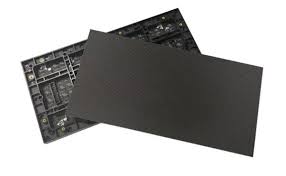
An LED cube screen is a 3D electronic display composed of LED modules arranged in cubic formations. Unlike traditional flat LED panels, these screens offer volumetric visuals, enabling dynamic 3D content to be presented in an immersive manner. The structural design typically features multiple LED faces forming the cube's sides—often three to six faces—which can independently or synchronously display content. Each face can function as a standalone high-resolution LED panel, providing multi-angle viewing experiences.
The cube is built using SMD (Surface-Mount Device) LED technology, known for its compact form factor and high brightness. Typical pixel pitches for LED cube screens range from P2.5 to P10, balancing resolution and viewing distance. The choice of pixel pitch depends on the installation environment and the intended visual impact.
Technical Specifications and Standards
Industry-grade LED cube screens follow recognized standards, such as those set by the International Electrotechnical Commission (IEC 62471) for photobiological safety and RAL Light Standards for brightness and color consistency. Key technical parameters include:
- Brightness: 1,000 to 5,000 nits, adjustable based on ambient light.
- Refresh Rate: Minimum 1,920 Hz to prevent flickering in video capture.
- Contrast Ratio: Greater than 3,000:1, crucial for delivering vibrant, deep-color visuals.
- Viewing Angle: Typically up to 140° horizontal, ensuring visibility from diverse perspectives.
- Control System: Use of advanced sending cards and software supports 3D content mapping and seamless synchronization across multiple LED faces.
Additionally, environmental protection standards such as IP65 ratings for outdoor applications guarantee dust and water resistance, essential for installations in open venues.
Applications Across Industries
LED cube screens have found applications spanning advertising, entertainment, corporate branding, and exhibition space enhancement. For instance:
- Retail and Advertising: Eye-catching LED cubes placed in store windows or public squares attract attention with 3D visuals, boosting brand engagement. Brands like Samsung and Sony have incorporated LED cubes in their product showcases for heightened interaction.
- Event and Stage Design: Concerts and theatrical productions utilize LED cubes to create immersive stage backdrops. The three-dimensional medium adds depth and dynamism, allowing performers to engage audiences in novel ways.
- Architectural Integration: Modern buildings integrate LED cubes within their facades or lobbies as part of digital art installations, marrying technological prowess with aesthetics.
- Educational Uses: In science and technology museums, LED cube screens display real-time 3D data visualization for interactive learning experiences.
Manufacturing Challenges and Solutions
Producing LED cube screens involves overcoming complexities not typically found in flat LED displays. Challenges include:
- Heat Dissipation: Given the enclosed nature of cubes, managing heat generated by densely packed LEDs is critical. Engineers employ heat sinks, thermal interface materials, and strategic airflow to maintain performance and longevity.
- Synchronization of Faces: Content must be seamlessly coordinated across all cube surfaces. Modern LED control systems utilize FPGA-based processors and high-speed data transmission protocols like HDBaseT or Ethernet to minimize latency and ensure synchronization.
- Structural Integrity: The mechanical framework must support precise alignment and stable mounting while being lightweight for installation ease. Aluminum alloy frames combined with CNC machining achieve these requirements, enabling modular assembly and maintenance.
Future Prospects and Innovations
The LED cube screen market is witnessing rapid advancements driven by AI-powered content generation, interactive gesture controls, and integration with Augmented Reality (AR). Emerging flexible LED technologies may soon allow for curved or morphing cube surfaces, further elevating the visual storytelling capabilities.
Research into micro-LEDs promises even higher brightness, contrast, and energy efficiency, potentially reshaping LED cube displays by enabling finer pixel pitches and expanding form factors.
Conclusion
LED cube screens represent a significant leap in display technology, delivering multi-dimensional visualization that captivates audiences and enhances communication effectiveness. Adhering to stringent technical standards and employing cutting-edge manufacturing techniques ensure that these complex displays meet the demands of diverse applications.
For professionals in the LED display industry, understanding the nuances of LED cube technology—from pixel architecture to system synchronization—provides a competitive edge in delivering innovative display solutions that resonate globally.
References:
1. IEC 62471 – Photobiological Safety of Lamps and Lamp Systems.
2. International Display Standards, Society for Information Display (SID).
3. "Advances in LED Display Technologies," Journal of Light & Visual Environment, 2022.
4. Data Sheet and White Papers from Unilumin, Leyard & Planar.
5. Case Studies from Samsung Visual Display and Daktronics.













