

Onboard Passenger Information Display Enclosure: Enhancing Durability and Readability in Transit Systems
In the rapidly advancing field of transit technology, onboard passenger information display enclosures play a pivotal role in delivering real-time information, enhancing passenger experience, and ensuring operational efficiency. As a professional LED display engineer deeply involved in the design and manufacturing of LED LCD screens for transit applications, this article explores the critical aspects of enclosure design, their technical parameters, and industry standards to ensure durability, readability, and safety in onboard environments.
The Importance of Onboard Passenger Information Display Enclosures
Passenger information display systems are integral to modern transportation vehicles such as buses, trains, and trams. Their primary function is to convey route information, safety alerts, and service announcements. However, the performance and longevity of these displays heavily depend on the design and quality of the enclosures that protect the sensitive LED or LCD panels.
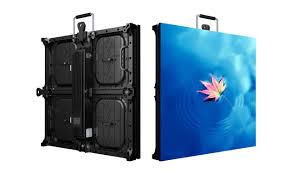
Enclosures serve several essential functions:
- Protection against environmental factors: Vibrations, temperature fluctuations, dust, moisture, and mechanical impacts.
- Safety compliance: Ensuring electromagnetic compatibility (EMC) and passenger safety.
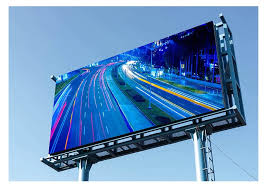
- Maintaining display visibility: Minimizing glare and enhancing readability under varying lighting conditions.
According to the Transit Communication and Control System standards (e.g., EN 50155 for electronic equipment onboard railway vehicles), display enclosures must adhere to rigorous specifications for environmental rating and shock resistance.
Key Design Considerations for Display Enclosures
1. Material Selection
Materials must offer excellent mechanical strength, corrosion resistance, and thermal conductivity. Common materials include:
- Aluminum alloys: Lightweight, corrosion-resistant, and excellent heat dissipation characteristics.
- Stainless steel: Provides superior impact resistance and is often used in heavy-duty applications.
- Polycarbonate or acrylic front panels: High optical clarity with strong impact resistance, enhanced with anti-reflective coatings to reduce sunlight glare.
2. Ingress Protection (IP) Rating
The enclosure should possess a minimum IP54 rating to protect against dust ingress and water splashes, per the IEC 60529 standard. In harsher environments, IP65 or above is preferable to guard against jetting water and dust accumulation, ensuring reliable operation in outdoor or semi-outdoor transit systems.
3. Thermal Management
Passenger information displays generate heat during operation, particularly under high-brightness settings necessary for outdoor readability. Effective thermal design includes:
- Passive heat sinks integrated into aluminum housings.
- Ventilation slots with dust filters.
- Use of thermally conductive interface materials.
Proper thermal management prevents internal component degradation, extending the lifespan of LED/LCD modules.
4. Vision and Readability Enhancements
Optimizing visibility demands a balance between enclosure protection and display clarity:
- Anti-reflective coatings reduce sunlight-induced glare.
- Optical bonding techniques eliminate the air gap between the display panel and the protective glass, reducing internal reflections and enhancing contrast.
- Adjustable brightness controls, sometimes integrated with ambient light sensors, ensure optimal visibility under varying light conditions.
Industry studies, such as those published by the IEEE Transactions on Vehicular Technology, underline that enhanced readability directly correlates to improved passenger satisfaction and better information dissemination during transit delays or emergencies.
5. Vibration and Shock Resistance
Onboard environments subject components to frequent vibrations and shocks. Enclosures must comply with IEC 61373 for shock and vibration testing, ensuring robust protection of internal electronics.
Case Study: Implementation in Urban Transit Buses
A leading metropolitan transit authority implemented a new series of onboard LED passenger information displays housed in custom-designed enclosures meeting IP65 standards and featuring integrated heat sinks. Over a two-year deployment, system downtime decreased by 30% compared to previous models, and passenger feedback indicated a significant improvement in information visibility during daylight hours.
Future Trends and Innovations
The transition towards smart cities and interconnected transport systems is driving demand for integrated display enclosures with advanced features:
- IoT-enabled enclosures with embedded sensors for temperature, humidity, and vibration monitoring.
- Modular designs allowing easy maintenance and upgrade of display modules.
- Eco-friendly materials focusing on sustainable manufacturing practices.
Manufacturers are also exploring electromagnetic shielding materials to reduce interference with other onboard digital systems, adhering to newer versions of EMC standards (e.g., CISPR 25).
Conclusion
Onboard passenger information display enclosures are foundational to the reliability, safety, and effectiveness of transit communication systems. By carefully considering material properties, ingress protection, thermal management, and optical clarity, engineers can design enclosures that not only protect delicate display components but also enhance passenger experience on a global scale.
Adherence to international standards such as EN 50155, IEC 60529, and IEC 61373 ensures that these enclosures can withstand the demanding conditions of onboard environments while maintaining long-term operational excellence. For transit authorities and display manufacturers alike, investing in optimized enclosure design is a strategic decision that yields measurable improvements in service quality and system longevity.













