

Advanced Techniques and Standards in LED LCD Screen Manufacturing for Superior Display Performance
In the rapidly evolving LED LCD screen manufacturing industry, achieving superior display performance requires a comprehensive understanding of advanced techniques, stringent quality standards, and precise technical parameters. As a professional LED display engineer with extensive industry experience, this article elucidates the critical elements involved in producing high-quality LED LCD screens that meet international expectations and application demands.
Technological Foundations in LED LCD Manufacturing
The core technology behind LED LCD displays integrates light-emitting diode (LED) backlighting with liquid crystal display (LCD) panels. This combination leads to enhanced brightness, improved contrast ratios, and energy efficiency. LED backlights provide uniform luminance and longer operational life compared to traditional fluorescent backlights, which is a significant factor in modern display design (Source: International Display Manufacturing Standards, IDMS 2023).
Key parameters influencing the LED LCD screen quality include:
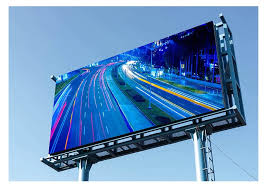
- Pixel Pitch: Defined as the distance between the centers of two adjacent pixels, influencing resolution and viewing distance. For high-definition applications, pixel pitches range from 0.5mm to 1.5mm, optimizing both image clarity and visual comfort.
- Refresh Rate: Typically 60Hz to 120Hz for consumer-grade displays; however, industrial and gaming applications often demand rates up to 240Hz to minimize motion blur and latency.
- Brightness and Contrast Ratio: High-quality LED LCD displays achieve brightness levels between 300 to 1500 nits and contrast ratios exceeding 1000:1, essential for visibility in diverse lighting environments (Source: DisplayMate Technologies, 2024).
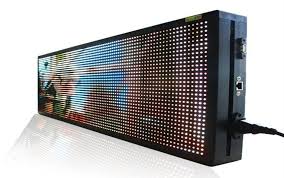
Manufacturing Processes: Precision and Quality Control
The manufacturing workflow entails several meticulously controlled stages to ensure reliability and performance:
1. Substrate Preparation: The glass substrate undergoes cleaning and coating processes to facilitate uniform liquid crystal alignment, critical for color accuracy and response time.
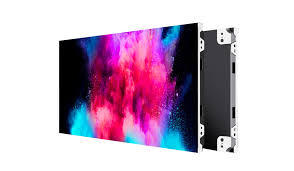
2. Wafer Fabrication: Thin-film transistors (TFTs) are fabricated on the substrate using photolithography, producing the matrix that controls pixel activation with micron-level precision.
3. Backlight Integration: LEDs are positioned behind the LCD panel with carefully engineered diffusion films to ensure even light distribution and prevent hotspots.
4. Encapsulation and Sealing: This step protects the internal components from environmental contaminants, significantly enhancing durability and lifespan.
Strict adherence to Industry Standards like IEC 62368-1 for safety, ISO 9001 for quality management, and environmental compliance protocols such as RoHS and REACH ensures that the product meets global market requirements (Source: IEC & ISO Standards, 2023).
Advanced Features and Innovation
Modern LED LCD screens leverage innovations such as Quantum Dot enhancement layers to widen color gamut coverage, often surpassing standard sRGB and approaching DCI-P3 color spaces, which is pivotal in professional graphic and video environments.
Furthermore, the integration of in-plane switching (IPS) technology enhances viewing angles up to 178 degrees without color distortion, while low blue light and flicker-free technologies comply with ergonomic standards to reduce eye strain during prolonged use.
Case Study: Enhancing Industrial Display Solutions
A recent project involved designing a ruggedized LED LCD screen for an outdoor transportation monitoring system. The display incorporated a pixel pitch of 0.8mm for crisp detail, a brightness level of 1200 nits to combat direct sunlight, and IP67-rated sealing for water and dust resistance. By combining these technical specifications with industry-standard quality assurance processes, the client achieved high operational reliability in harsh environments, demonstrating the practical application of advanced LED LCD manufacturing techniques.
Conclusion
The manufacturing of LED LCD screens encompasses a complex intersection of materials science, electrical engineering, and optical technology. Achieving superior visual performance and durability demands precision in each manufacturing phase, compliance with international standards, and continuous innovation. As the demand for high-definition, energy-efficient displays grows globally, adhering to these professional and technical benchmarks will remain critical for manufacturers aiming to maintain competitiveness and credibility in the LED display industry.













