

Advanced Techniques and Key Considerations in LED LCD Screen Manufacturing for Superior Display Performance
The manufacturing of LED LCD screens has evolved significantly over the past decade, driven by advancements in display technology, materials science, and precision engineering. As industries demand higher resolution, better color accuracy, improved energy efficiency, and longer lifespan, manufacturers must navigate complex technical challenges to deliver superior LED LCD displays. This article delves deeply into the critical facets of LED LCD screen manufacturing, integrating industry standards, technical parameters, and empirical expertise to present a comprehensive overview for professionals in the display engineering domain.
LED LCD screens utilize a combination of liquid crystal display technology paired with light-emitting diode (LED) backlighting. This synergy enables the production of thinner, more energy-efficient, and brighter displays compared to traditional cold cathode fluorescent lamp (CCFL) backlit LCD panels. The key technical parameters that govern LED LCD quality include pixel pitch, color gamut coverage, contrast ratio, response time, and brightness uniformity.
Precision in Backlight Design and Implementation
The backlight module design is pivotal. LED backlighting typically employs edge-lit or direct-lit configurations. Edge-lit backlights use LEDs placed along the edges of the screen, leveraging light guides to achieve uniform illumination, which is optimal for devices where thickness is limited, such as laptops and mobile devices. On the other hand, direct-lit backlights incorporate LED arrays behind the LCD panel, facilitating local dimming capabilities that enhance contrast ratios and black level performance.
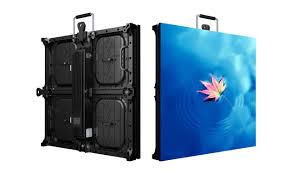
LED parameters such as correlated color temperature (CCT), luminous efficacy, and lifespan are critical. Industry standards like the International Electrotechnical Commission IEC 62717 specify performance and safety requirements for LED modules, ensuring consistency and reliability. Engineers routinely employ LEDs with CCT values of 6500K to simulate daylight conditions, which helps in achieving natural and accurate color reproduction. Moreover, high luminous efficacy LEDs (above 150 lm/W) support energy-efficient designs aligned with global sustainability initiatives such as Energy Star and TCO Certified displays.
Liquid Crystal Alignment and Panel Structuring
The alignment of liquid crystal molecules directly influences display clarity and viewing angles. Techniques such as In-Plane Switching (IPS) and Vertical Alignment (VA) panels provide wide viewing angles and superior color fidelity. IPS panels typically offer 178-degree viewing angles horizontally and vertically, critical for applications requiring true color reproduction and minimal color shift, such as medical imaging and professional photo editing.
Manufacturing these panels involves precise control over the rubbing and curing processes of alignment layers to ensure uniform molecular distribution. Advanced LCD manufacturing incorporates high-precision photolithography for thin-film transistor (TFT) array patterning, critical for high-resolution displays, often reaching 4K UHD (3840 x 2160 pixels) or beyond in contemporary models.
Color Calibration and Gamut Enhancement
A significant challenge in LED LCD manufacturing is achieving broad color gamut and accurate calibration. Manufacturers implement quantum dot enhancement films (QDEF) or employ RGB LED backlighting systems to expand color spaces like Adobe RGB and DCI-P3 beyond the traditional sRGB range. Quantum dots, semiconductor nanocrystals, absorb light and re-emit it at very specific wavelengths, producing vibrant and precise colors. This technology has definitively improved display performance quality, especially for 10-bit or higher color depth panels supporting over 1 billion color variations.
Metrology tools such as spectroradiometers and colorimeters are integrated within production lines to automate real-time color correction, minimizing human error and optimizing uniformity batch-wise. Adherence to standards like ISO 9241-303 ensures ergonomic and color standards compliance, which is crucial for professional and consumer-grade displays.
Thermal Management and Reliability Assurance
LED LCD displays generate heat both from the LED backlight and the driving electronics. Effective thermal management prevents luminance degradation and extends module longevity. Engineers design thermal dissipation pathways incorporating materials with high thermal conductivity (e.g., aluminum alloys or graphite sheets) and optimize PCB layout for minimal thermal resistance.
Accelerated life testing, conforming to standards such as JEDEC JESD22, simulates harsh operating environments to ascertain reliability. LED lifespan is typically rated in tens of thousands of hours (up to 50,000 hours commonly), but sustained exposure to elevated temperature or voltage stress can reduce this expectancy.
Quality Assurance and Industry Compliance
Manufacturers adhere to stringent quality assurance protocols, including Statistical Process Control (SPC) and Six Sigma methodologies, to reduce variability and defect rates. In addition, compliance with RoHS (Restriction of Hazardous Substances Directive) ensures environmental safety by limiting heavy metals and polluting agents in display components.
A robust supply chain for LED chips, LCD panels, and electronic components is essential to maintain consistency and scalability. Collaborations between component manufacturers and OEMs facilitate innovations such as mini-LED and micro-LED hybrid LCDs, which further push the boundaries of contrast and color performance.
Conclusion
LED LCD screen manufacturing is a sophisticated interplay of material science, precision engineering, and process control. Achieving high-performance displays that meet the dynamic demands of markets—from consumer electronics to professional applications—requires meticulous attention to backlight design, liquid crystal alignment, color calibration, thermal management, and compliance with international standards. Continuous technological advancement and strict quality governance underpin the delivery of LED LCD displays that are vibrant, energy-efficient, and reliable, cementing their dominance in global display markets.
As demand grows for ultra-high-definition content and immersive visual experiences, emerging technologies such as mini-LED backlighting and quantum dot integration signify the future trajectory of LED LCD manufacturing. Industry professionals must stay abreast of these innovations and standards compliance to maintain competitive advantage and product excellence.
References:
- IEC 62717: LED Modules for General Lighting
- ISO 9241-303: Ergonomics of human-system interaction – Requirements for electronic visual displays
- JEDEC JESD22: Reliability Test Methods for Electronic Components
- Society for Information Display (SID) Technical Papers
- Energy Star Program Requirements for Displays













