

Advanced Insights into LED Display Manufacturing: Technical Excellence and Industry Best Practices
In the rapidly evolving field of visual display technology, LED (Light Emitting Diode) displays have become the cornerstone for diverse applications ranging from digital signage to large-scale public broadcasts. As an experienced engineer specializing in LED display manufacturing, this article delves into the critical technical parameters, manufacturing processes, and industry best practices that ensure performance excellence and reliability.
Introduction
LED display technology has transformed the way information is presented and consumed globally. Its advantages—high brightness, energy efficiency, long lifespan, and scalability—make it indispensable across advertising, entertainment, traffic control, and public information sectors. However, producing a high-quality LED display demands meticulous engineering efforts focusing on pixel density, color accuracy, viewing angle, and durability. This article provides a comprehensive analysis of the technical specifications, manufacturing workflows, and quality assurance measures pivotal in building industry-grade LED screens.
Main Body
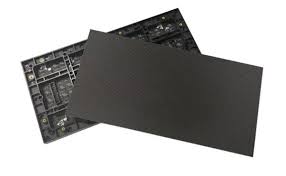
1. Core Technical Parameters
- Pixel Pitch and Resolution: The pixel pitch, defined as the center-to-center distance between adjacent LEDs, critically determines image fidelity. For indoor applications, a pixel pitch of 1.25mm to 2.5mm is common, enabling high resolution and crisp imagery. Outdoor displays tolerate wider pitches (3mm and above) to balance visibility and cost-effectiveness. Industry standards recommend selecting pixel pitch based on optimal viewing distance, typically calculated via D = P × 1000, where D is the minimum viewing distance in millimeters and P is the pixel pitch in millimeters.
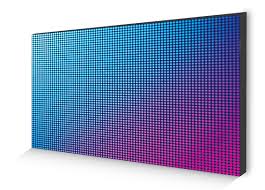
- Brightness and Contrast Ratio: Brightness levels in LED displays are measured in nits (cd/m²). Indoor LED panels generally operate at 800–1500 nits, sufficient for typical ambient lighting, while outdoor displays exceed 5000 nits to combat direct sunlight. A high contrast ratio, often exceeding 3000:1, ensures vivid image contrast and depth, critical for readability.
- Color Reproduction and Calibration: Achieving accurate color rendering involves precision binning of LEDs and on-board calibration systems that adjust RGB intensity dynamically. Modern displays support 16-bit grayscale (4096 levels per color channel) or higher, facilitating smooth gradients and color uniformity. Firmware-level gamma correction further enhances output fidelity in line with standards like Rec. 709 or Rec. 2020.
- Refresh Rate and Response Time: To avoid flicker and ghosting in dynamic content, LED displays are engineered with refresh rates exceeding 1920 Hz for indoor use and 3840 Hz or higher for broadcast-level outdoor solutions. Response times typically fall under 10 microseconds, ensuring seamless video playback even under high frame rates.
2. Manufacturing Process and Material Selection
High-quality LED displays combine precision component sourcing and controlled assembly environments. The process begins with chip selection from reputable suppliers known for reliability and spectral consistency. Key steps include:
- SMD (Surface-Mount Device) or DIP (Dual In-line Package) LED Mounting: Most modern displays utilize SMD technology, offering compact size and superior optical performance. DIP LEDs retain some advantages in rugged outdoor installations due to their encapsulation robustness.
- PCB (Printed Circuit Board) Design and Fabrication: High-density PCBs incorporating multilayer designs facilitate effective power distribution and signal integrity. Thermal management vias and copper plating optimize heat dissipation, critical for LED longevity.
- Encapsulation and Masking: Protective layers guard against moisture, dust, and UV radiation, important for outdoor durability. Dielectric coatings and conformal coatings enhance resistance to corrosion and mechanical impact.
- Module Assembly and Testing: Each LED module undergoes rigorous In-Line Testing (ILT) for brightness uniformity, chromaticity, and electrical parameters. Calibration using automated photometric equipment ensures per-pixel brightness consistency within ±5%, adhering to IEC 62368-1 and IEC 60529 ingress protection standards.
3. Quality Assurance and Standards Compliance
LED display manufacturers uphold detailed testing protocols following international standards to guarantee end-user satisfaction:
- Reliability Testing: Includes thermal cycling, vibration, humidity tests adhering to MIL-STD-810G guidelines.
- Color and Brightness Uniformity: Measured using spectroradiometers, ensuring stable performance across the entire display area.
- EMC (Electromagnetic Compatibility) Compliance: Must meet FCC and CE requirements, preventing interference with other devices.
- Safety Certification: Compliance with UL/CSA safety standards entails robust electrical insulation, fire resistance, and safe operating voltages.
Conclusion
Manufacturing LED displays that meet modern demands requires a sophisticated blend of materials science, electronic engineering, and quality control methodology. An authoritative understanding of pixel pitch optimization, brightness calibration, assembly precision, and rigorous testing ensures every LED screen delivers superior visual performance and reliability. As the LED display market expands with innovations such as MicroLED and flexible panels, embracing best practices grounded in industry standards will remain essential to sustaining leadership in this dynamic field.













