

Magic Cube LED Display: Innovating Visual Communication with 3D LED Technology
The Magic Cube LED display represents a breakthrough in visual communication technology, combining three-dimensional (3D) LED design with cutting-edge engineering to offer unprecedented viewing experiences. As industries increasingly demand engaging and dynamic display solutions, the Magic Cube LED has emerged as a versatile platform suitable for advertising, entertainment, exhibitions, and interactive environments.
Understanding the Magic Cube LED Display Technology
Unlike traditional flat LED panels, the Magic Cube LED display integrates multiple LED modules arranged in a cubic form factor. This design leverages 3D visualization, allowing content to be displayed on all visible faces, producing an immersive spectacle. Each face typically consists of high-resolution LED panels, custom-configured to maintain consistent pixel pitch and brightness across the cube's surfaces.
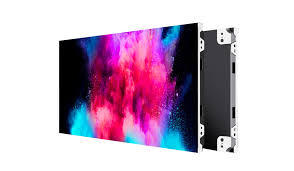
The most common pixel pitch used in Magic Cube displays ranges between P2.5mm to P4mm, balancing image clarity with practical manufacturing costs. Pixel pitch refers to the distance between individual LED clusters (pixels), a critical factor determining resolution and viewing distance. Standard cube sizes can vary from 30cm to 1 meter per side, dependent on application needs.
Technical Parameters and Specifications
- Resolution: Common Magic Cube models offer Full HD or higher resolution, achieved with tightly packed LED modules. For example, a 50cm cube with a P2.5 pitch can deliver crisp, detailed images at close proximity.
- Brightness: To ensure effective visibility in diverse lighting conditions, Magic Cubes typically operate at brightness levels between 1000 to 2500 nits. This range complies with industry standards such as IEC 62471 for safe brightness and luminance levels.
- Refresh Rate: High refresh rates of 1920Hz or above minimize flicker and enhance viewer comfort, crucial for broadcast-quality video.
- Viewing Angle: The cubic design provides an expansive horizontal and vertical viewing angle, often close to 160°-170°, maintaining image clarity regardless of viewer position.
Applications and Industry Use Cases
Magic Cube LED displays have garnered industry attention for their adaptability in various contexts:
- Retail and Advertising: Innovative storefront installations utilize Magic Cubes to captivate passersby with 3D animations and dynamic product visuals, significantly increasing customer engagement.
- Events and Exhibitions: Conference centers and trade shows deploy Magic Cube displays as central attractions, providing interactive content that enhances visitor participation.
- Art and Entertainment: Museums and galleries integrate Magic Cubes in digital art exhibits to create interactive, changing visual narratives in limited spaces.
- Smart Cities and Outdoor Installations: Ruggedized versions equipped with IP65-rated enclosures enable outdoor installations capable of withstanding harsh weather while delivering vibrant content.
Manufacturing and Engineering Challenges
Producing Magic Cube LED displays demands meticulous attention to detail in several respects:
- Thermal Management: The compact arrangement of multiple LED faces necessitates advanced heat dissipation solutions to preserve LED lifespan and performance—often achieved via built-in heat sink designs and active cooling systems.
- Seamless Module Integration: Precision engineering ensures minimized gaps (less than 0.1mm) between LED modules to maintain image uniformity and avoid distortion at edges.
- Control System Synchronization: High-quality display controllers and FPGA-based synchronization modules guarantee uniform content across all cube faces, coordinating complex 3D animations while maintaining latency below 16 milliseconds.
- Durability and Maintenance: Adhering to IP54 or higher protection ratings ensures resistance against dust and moisture, critical for longevity in various environments.
Industry Standards and Best Practices
Leading manufacturers comply with international certifications such as CE, RoHS, and UL, ensuring safety and environmental compliance. The Magic Cube LED displays also adhere to IEC 62232 for determining radiation exposure limits, safeguarding user health. Additionally, recommendations from the SMD LED standards set by the Illuminating Engineering Society (IES) guide optimal brightness and chromaticity to maintain color accuracy and visual comfort.
Future Trends and Innovations
As LED technology evolves, Magic Cube displays are expected to incorporate:
- Micro-LED advancements: Delivering even higher resolution and more energy-efficient displays due to smaller pixel sizes and improved light emission.
- Augmented Reality (AR) Integration: Coupling Magic Cubes with AR platforms can create hybrid immersive environments, enhancing user interactivity.
- AI-driven Content Personalization: Leveraging AI analytics for adaptive content display based on viewer demographics and behavior, improving targeted messaging and engagement metrics.
Conclusion
The Magic Cube LED display stands at the forefront of immersive visual technology, blending 3D design with LED engineering to redefine how audiences experience digital content. Its versatility across commercial, cultural, and urban spaces makes it an invaluable tool for next-generation display solutions. By adhering to rigorous technical standards and leveraging innovation, Magic Cube LEDs offer a bright future for dynamic, multi-dimensional digital communication.













