

Waterproof Outdoor Digital Signage: Technology, Applications, and Industry Standards
In today’s digital era, outdoor advertising and information dissemination rely heavily on durable, high-performance digital signage. Among various technologies, waterproof outdoor digital signage has emerged as a pivotal solution that combines robustness with superior visual quality, enabling seamless operation in diverse environmental conditions. This article delves into the technical aspects, industry standards, and practical applications of waterproof outdoor digital signage, offering insights vital for professionals and decision-makers in the LED display industry.
Technical Parameters and Construction
Waterproof outdoor digital signage is engineered to withstand harsh weather conditions, including rain, dust, humidity, and extreme temperatures. The core of these systems is usually a high-brightness LED display panel encased in a protective enclosure designed according to international standards such as IP65 or higher, meaning the display is dust-tight and protected against water jets. In many cases, enclosures meet the NEMA 4X standard, ensuring resistance to corrosion and ingress of water.
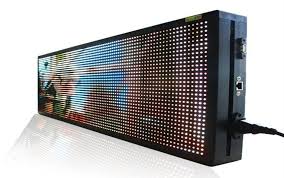
The essential components include:
- High Brightness LEDs: Outdoor displays typically use LEDs with brightness levels ranging from 5,000 to 8,000 nits to maintain visibility under direct sunlight.
- Anti-Reflective Coatings: Reducing glare is critical for readability.
- Temperature Control Systems: Built-in heating and cooling units manage internal temperatures to guarantee optimal performance from -30°C to +50°C.
- Robust Housing Materials: Waterproof signage uses aluminum or stainless steel frames with powder coatings that resist rust and physical damage.
- Sealed Connectors and Wiring: These prevent water and dust ingress, ensuring signal integrity and safety.
Industry Standards and Testing
Successful implementation of outdoor digital signage hinges on adherence to rigorous standards. Apart from the IP (Ingress Protection) and NEMA ratings, conforming to IEC 60529 ensures consistent classification of protection levels. Additionally, displays undergo rigorous IPX6/IPX7 water resistance testing, simulating direct water impact and immersion.
MIL-STD-810G testing is sometimes applied for extreme environmental stress resistance, including shock, vibration, and humidity. Compliance with RoHS and CE certifications ensures environmental safety and product quality, essential for global deployments.
Applications and Use Cases
Waterproof outdoor digital signage has become indispensable across various sectors:
1. Public Transport Hubs: Bus stops and train stations utilize these displays for real-time scheduling, alerts, and advertising. Their waterproof construction guarantees uninterrupted operation despite exposure to rain or snow.
2. Retail Environments: Outdoor retail displays engage passing customers with promotions and dynamic content while enduring weather changes.
3. Sports and Event Venues: Large LED billboards and scoreboards commonly employ waterproof designs, supporting vibrant imagery visible under sun and rain.
4. Smart Cities: Digital kiosks and wayfinding solutions integrated with weatherproof technology facilitate information sharing and emergency alerts.
Maintenance and Longevity
To maximize lifespan (often 50,000 to 100,000 operational hours for modern LEDs), routine maintenance should include checking seals for wear and cleaning LED surfaces with non-abrasive materials. Integration of remote diagnostic systems helps detect failures early and optimize maintenance scheduling.
Emerging Trends
Innovations in materials science have introduced hydrophobic coatings that minimize water adhesion, decreasing maintenance needs. Additionally, the integration of AI-driven content management systems (CMS) allows dynamic adaptations in brightness and content based on weather and ambient light, enhancing energy efficiency and user experience.
Conclusion
Waterproof outdoor digital signage exemplifies the convergence of durable hardware engineering and advanced display technology. Adhering to stringent industry standards ensures these displays deliver high visibility, reliability, and extended lifespans under challenging outdoor conditions. As urban spaces become increasingly digitized, these solutions provide critical infrastructure for information dissemination, branding, and public safety. For any LED display manufacturer or integrator aiming to succeed in outdoor deployments, investing in weatherproofing and compliance is not merely optional—it is foundational.
References:
- International Electrotechnical Commission, IEC 60529: Degree of protection provided by enclosures (IP Code).
- National Electrical Manufacturers Association (NEMA) Standards Publication No. 250-2014.
- MIL-STD-810G Environmental Engineering Considerations and Laboratory Tests.
- ResearchGate Article on LED Display Brightness and Weather Resistance, 2022.
- Journal of Display Technology, "Advances in Outdoor LED Display Materials," 2023.













